Dewatering is the removal of groundwater or surface water from a construction site so that excavation and foundation work can happen in dry, stable ground. On most Pakistani sites the aim is to hold the water table at least 0.5 to 1 m below formation level until the structure is heavy enough to resist uplift.
Lahore, Karachi's coastal belt, Hyderabad, Sukkur and the canal-fed parts of Punjab all have shallow water. A two-level basement in Gulberg or DHA Lahore will almost certainly go below it. Even in Rawalpindi and Islamabad, where the regional water table is deep, perched water on clay layers and monsoon inflow flood excavations every July. Dewatering is not a specialist extra on these jobs; it decides whether the foundation is built in the dry or in mud.
Why do we need dewatering?
Water in an excavation does three kinds of damage. It softens the formation so the foundation sits on mud instead of the bearing layer the engineer designed for. It pushes up from below, and in sand it can boil through the base, carrying soil with it. And it saturates the sides, so cut slopes slip and shoring is loaded beyond its design.
Dewatering removes the water before it can do this. Done properly, the excavation base is firm enough to walk on, the sides stand and concrete is placed on undisturbed ground.
What are the types of dewatering?
There are four methods in common use. The soil and the depth of lowering decide which one fits.
| Method | How it works | Practical lowering | Best soil | Pump used |
|---|---|---|---|---|
| Open sump pumping | Water drains to pits, pumped out | Shallow, above the water table | Stiff clay, gravel | Submersible drainage or mud pump |
| Wellpoints | Ring of small wells on a header, under vacuum | About 5 to 6 m per stage | Sand and sandy gravel | Surface vacuum wellpoint pump |
| Deep wells | Bored wells with a pump in each | 10 m and more | Sand, gravel, fissured rock | Borehole submersible pump |
| Eductors | Jet pumps in each well, driven by a pressure main | 10 m and more | Fine sand and silt | High-pressure surface pump |
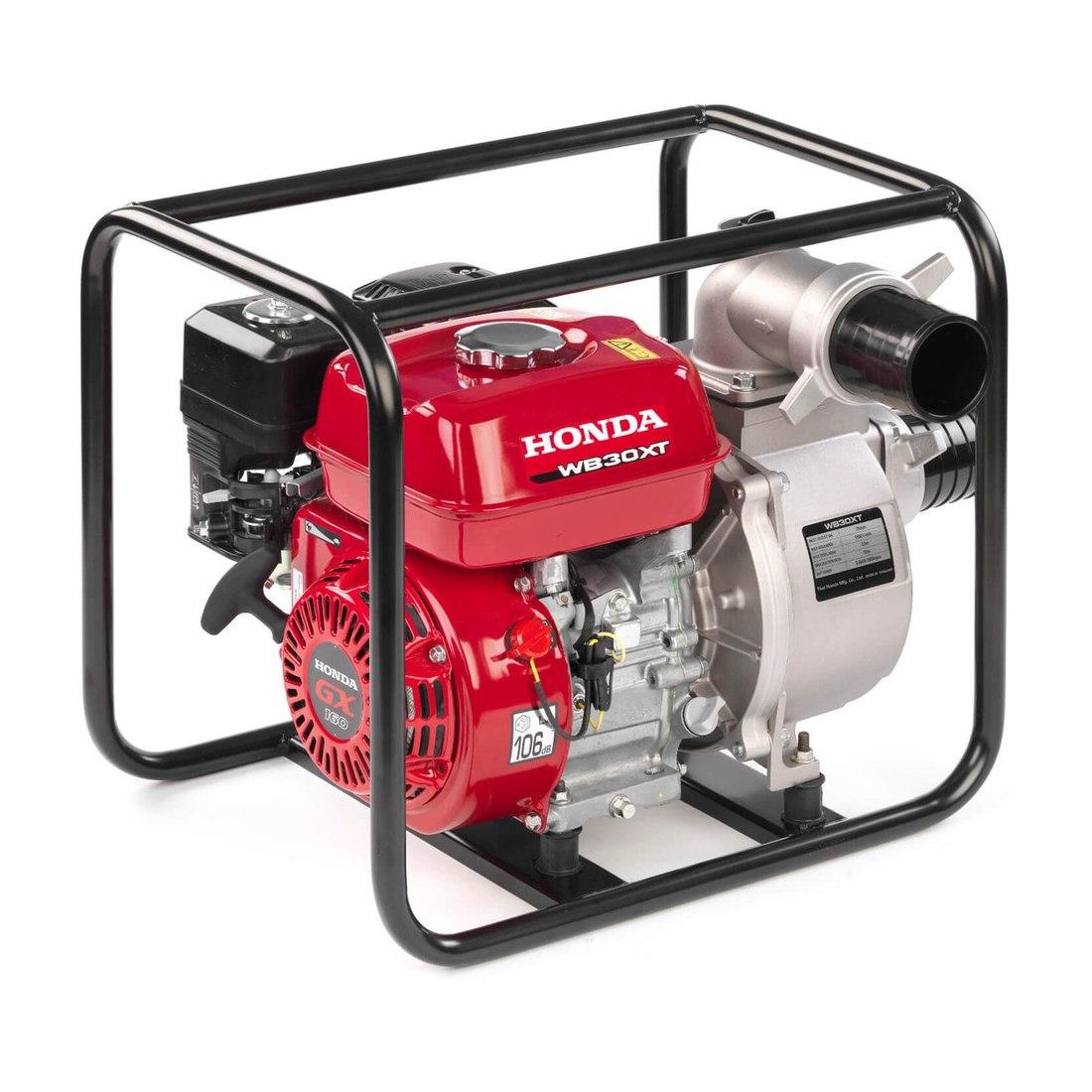
Open sump pumping is what most Pakistani sites actually do. Trenches lead water to a sump at a low corner, and a submersible pump lifts it out. It works where inflow is modest and the soil does not run. It fails in fine sand, where pumping from inside the excavation draws soil in with the water.
Wellpoints lower the water table before the excavation reaches it, so soil is never disturbed. They are the right answer for long trenches in sand, such as sewer and water main work in Lahore and Faisalabad.
Deep wells are used when lowering must be large or inflow is heavy, such as deep basements near a river, or big pump houses and intake structures.
Eductors are the specialist tool for silty ground where wellpoints draw little water.
Which pump is used for dewatering?
Match the pump to the method, and size it on total head and solids, not the maximum flow printed on the box.
- For sump pumping, a submersible mud pump or a dewatering pump that passes sand and grit. Clear-water pumps burn out within days in a sump.
- For deep wells, a borehole submersible pump sized for the well diameter and pumping level.
- For heavy sludge, use a heavy duty sewage pump with a wider solids passage.
Our guide to submersible pump price in Pakistan covers sizing by head and solids in detail.
How to prove dewatering is working
This is the step most sites skip, and it is where basements crack. A dry-looking excavation base does not prove the water table is below formation. Water can sit just below the surface and push up as soon as the pumps stop or the load changes.
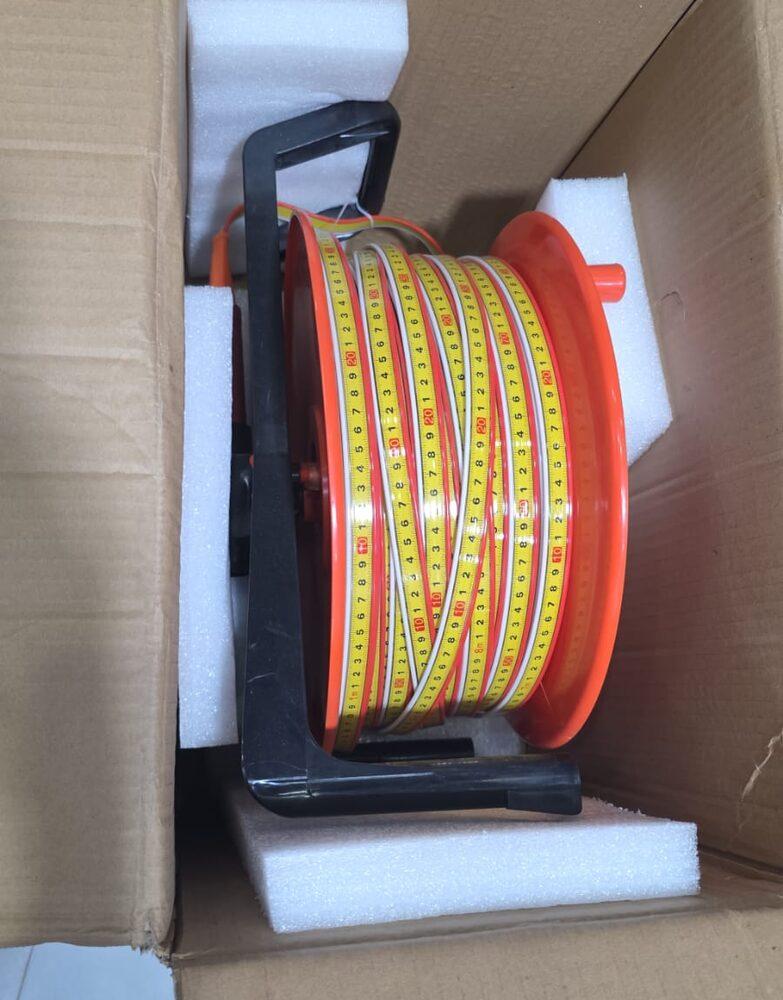
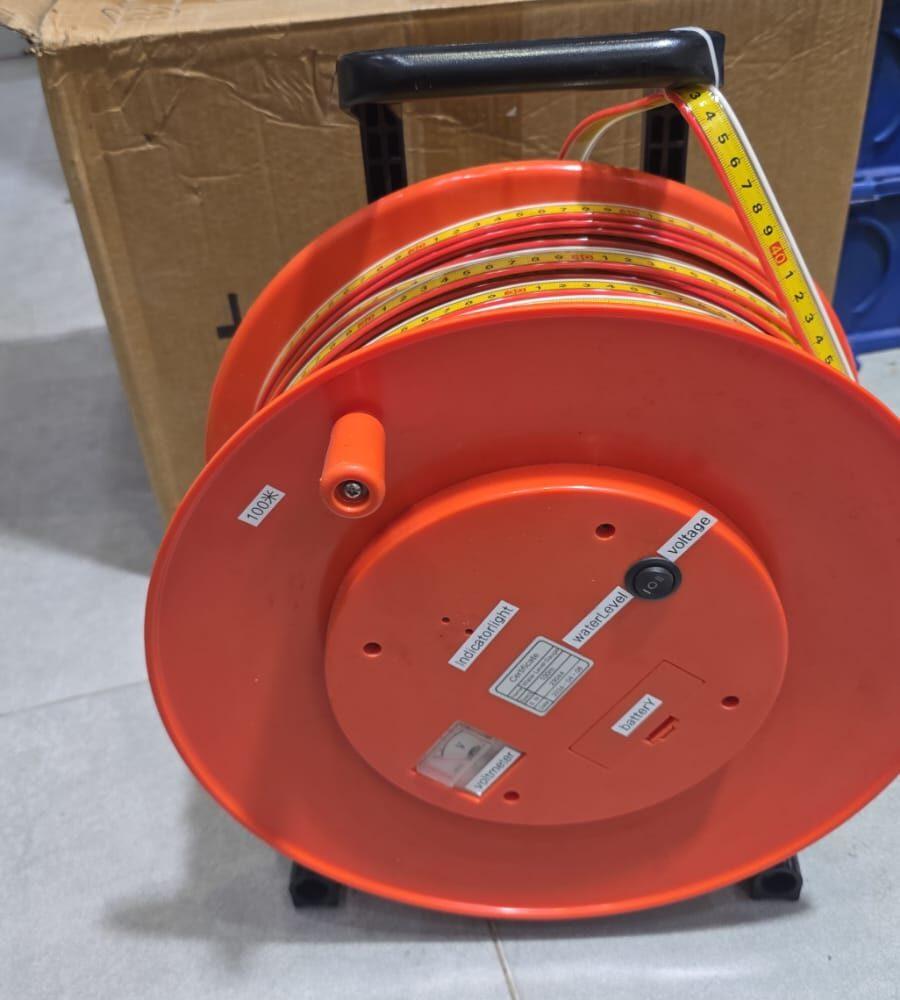
The proof is measurement. Install a few standpipe piezometers, as explained in our piezometer guide: at least one inside the excavation footprint and two or three around it. Read them every morning with a water level meter, before the pumps are adjusted, and log the readings against formation level.
What you are looking for:
- Every reading below formation level, with margin. 0.5 m minimum, 1 m better.
- Stable readings for several days with the pumps at normal duty, not just at full power after a rainy night.
- A sensible pattern. The inside piezometer lowest, the outer ones higher. If an outer piezometer suddenly drops, a neighbouring well or basement may be drawing water too, which matters for settlement of adjacent buildings.
The switch-off mistake
The costly failures we hear about come at the end, not the start. Pumps are switched off when the slab is cast, to save diesel or because the dewatering contractor's hire period has run out. The water table comes back up within days, and an unballasted basement slab heaves or cracks. Get the structural engineer to state, in writing, the construction stage at which dewatering may stop. Keep reading the piezometers for a week after shutdown. If levels recover faster than the engineer expected, restart the pumps and ask again.
Dewatering in Lahore, Karachi and the twin cities: what differs
The method depends on the ground, and Pakistan's main construction centres sit on very different ground.
Lahore and central Punjab. Alluvial sand and silt with water often within a few metres of the surface, kept high by canals and the Ravi. Basements of one or two levels routinely go below the water table. Wellpoints or deep wells, installed before excavation starts, are usually the right answer; open sump pumping in fine sand draws soil in and undermines the sides.
Karachi's coastal belt. Shallow, often brackish water near the sea in areas such as Clifton and DHA, with sand and reclaimed fill. Brackish water corrodes pumps and fittings quickly, so stainless or bronze impellers and regular inspection matter. Disposal of pumped saline water also needs planning; it cannot simply be run into a garden or a storm drain without permission.
Rawalpindi and Islamabad. The regional water table is deep, but perched water sits on clay layers, and monsoon storms flood excavations in hours. Here dewatering is mainly sump pumping and surface water control: cut-off drains around the excavation, a sump in the lowest corner, and enough pump capacity for a July storm, not an average day.
Hyderabad, Sukkur and the Indus plain. Shallow water close to the river and canals, often with silt. Similar to Lahore, with the added risk of high river levels in August raising the water table during construction.
In every case the first step is the same: a site investigation that records the water level in each borehole, read again a day after drilling so it has stabilised. Designing dewatering from a water level noted while the drilling rig was still pumping is a common and expensive error.
Can dewatering damage nearby buildings?
Yes. Lowering the water table removes buoyant support from soil under neighbouring foundations, and in soft clay or loose silt that causes settlement. Pumping sand out of the ground with the water makes it worse. On tight urban sites, monitor neighbouring buildings with settlement points read by a total station or auto level, and keep outer piezometer readings in the site record. If a dispute arises, a daily log of water levels is worth more than any argument.
What we supply
- Dewatering pumps, submersible mud pumps and borehole submersible pumps, under pressure pumps and washers.
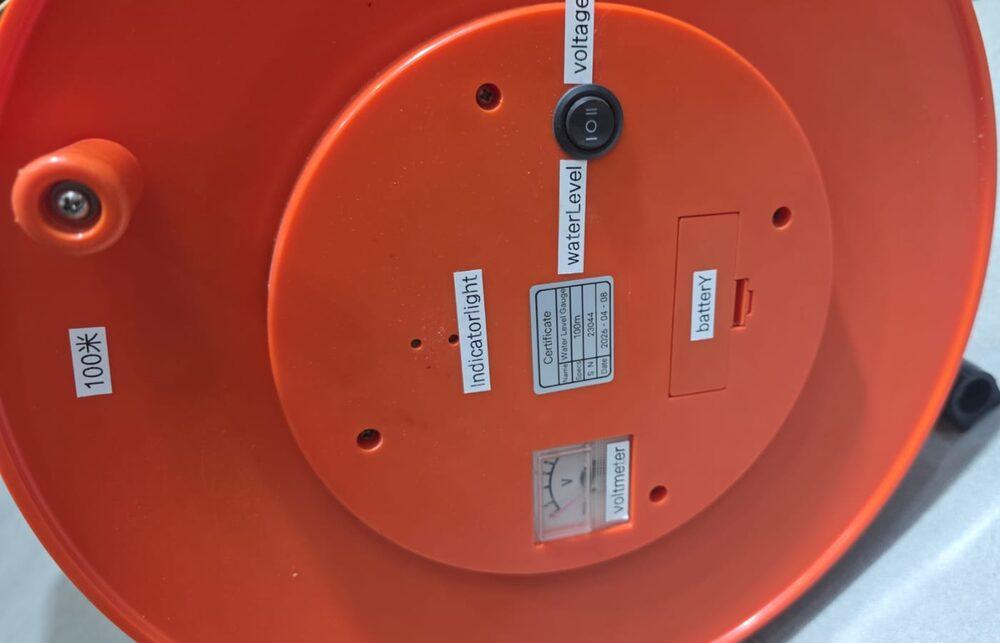
- Water level meter, 50 m and 100 m for reading piezometers and wells every day.
- Auto levels and total stations for settlement monitoring of adjacent structures.
For background on reading wells correctly, see static water level vs pumping water level.
Ask for today's price
Send us the excavation depth, the expected water level, the soil type from your site investigation and the city. We will suggest a pump set and the monitoring kit to prove it works. Send us a WhatsApp for today's price.
What we supply
Equipment covered in this guide
Dewatering Pump
Self priming petrol and diesel dewatering pumps for excavations, basements and monsoon work.
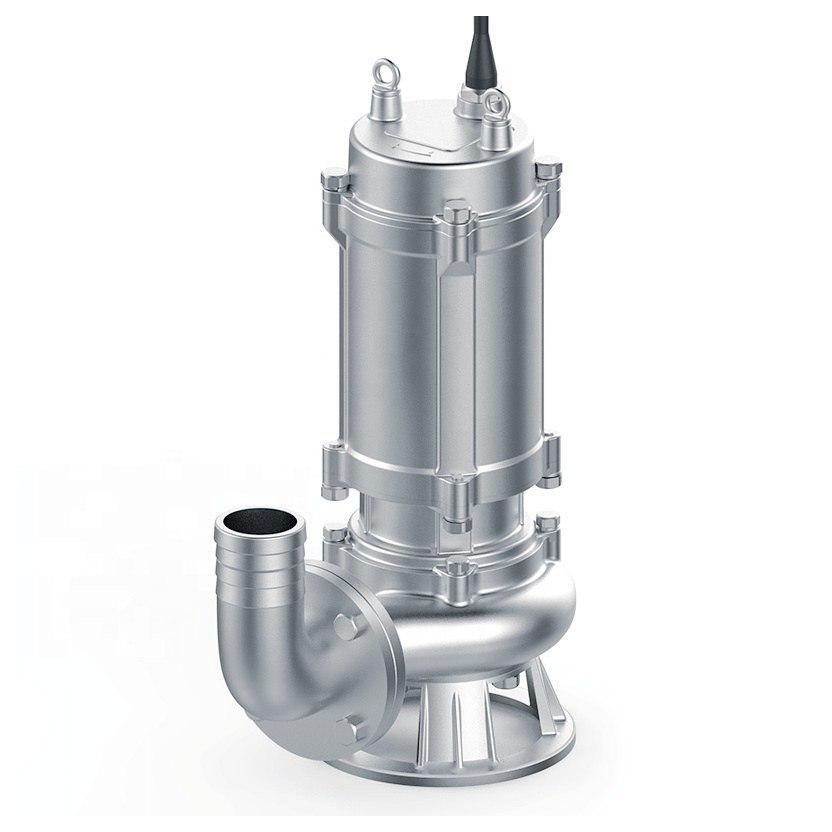
Submersible Pump
Electric submersibles for clean and dirty water, in the sizes a site actually keeps on the shelf.
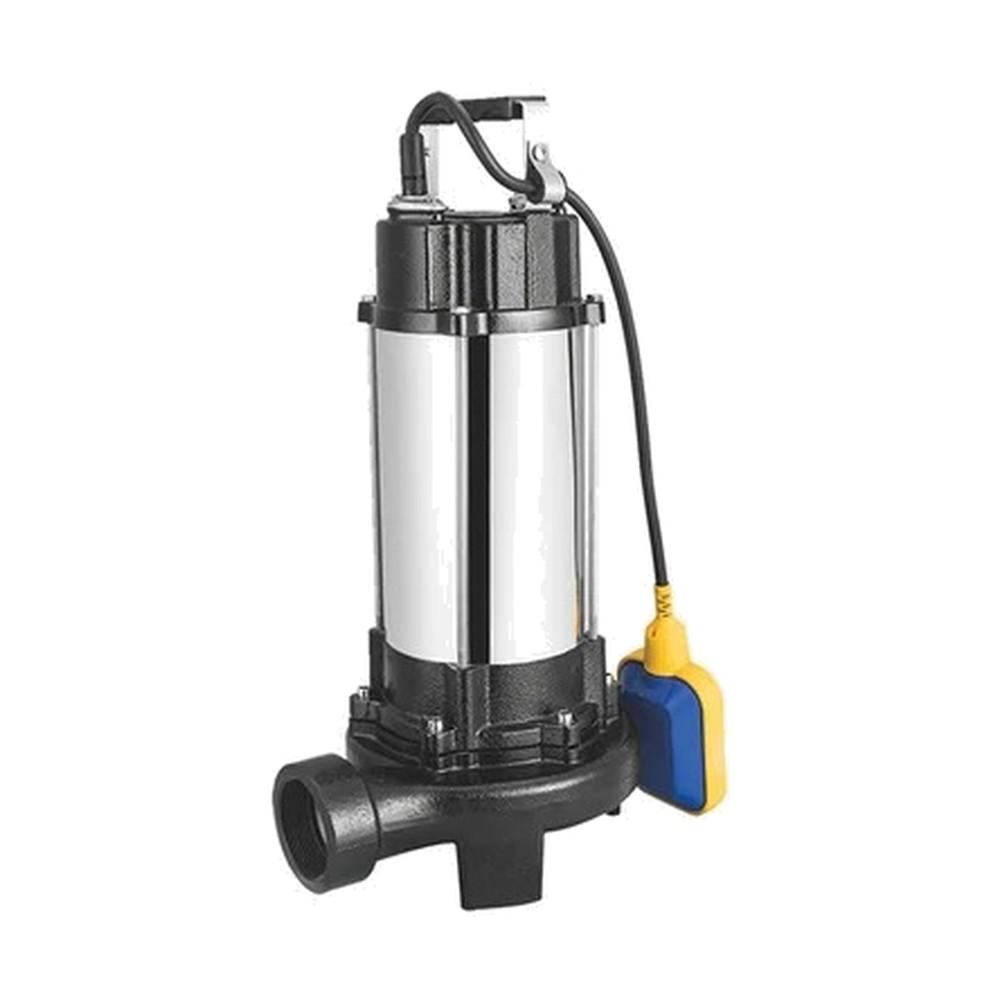
Submersible Mud Pump
Stainless body, cast iron volute and a float switch, for muddy water, slurry and sump drainage on site, in basements and in septic pits.
FAQ
Questions buyers ask us
What does dewatering mean in construction?
Dewatering means lowering groundwater, or removing surface water, so an excavation stays dry and stable while foundations are built. On most Pakistani sites the target is to hold the water table at least 0.5 to 1 m below formation level until the structure is heavy enough to resist uplift.
Which pump is used for dewatering?
Sump pumping uses a submersible drainage or mud pump that can pass solids. Wellpoint systems use a surface vacuum pump connected to many small wellpoints. Deep wells use a borehole submersible pump in each well. The choice follows the soil and the depth of lowering needed, not the pump catalogue.
What are the types of dewatering?
The four common methods are open sump pumping, wellpoints, deep wells and eductors. Sump pumping suits shallow digs in stiff ground. Wellpoints lower water about 5 to 6 m in sand. Deep wells handle larger lowering and big inflows. Eductors work in fine silts where other methods struggle.
How do I know dewatering is working?
Measure it. Install two or more standpipe piezometers inside and around the excavation and read them daily with a water level meter. Dewatering is working when every reading sits below formation level and stays there for several days with the pumps at normal duty.
How long does construction dewatering continue?
Until the structure can resist uplift on its own, usually when the basement slab and enough superstructure are in place to outweigh the water pressure beneath. Switching off too early can crack or lift a basement slab. The structural engineer should state the safe switch-off stage in writing.