Submersible pump price in Pakistan in October 2026 starts at about PKR 12,000 to 30,000 for a 1 HP mud or sewage pump, PKR 28,000 to 40,000 for a 1 to 2 HP borehole pump, and from about PKR 60,000 upwards for a heavy cast iron three phase sewage or dewatering pump. These are indicative market ranges; we quote on WhatsApp.
The word "submersible" covers three quite different machines, and buying the wrong one is the commonest pump mistake on a Pakistani site. A borehole pump lifts clean water from a narrow well. A mud or sewage pump sits in a pit and swallows dirty water. A dewatering pump empties an excavation fast. This guide explains which one you need, what each costs, how to size it and what kills them.
The three kinds of submersible pump
Borehole (deep well) pumps. Long and narrow, 3 or 4 inch diameter, with many stacked impeller stages to build pressure. They lift clean water from tube wells and boreholes. Listings call them 4SRM, 4SD or similar. Sand in the water destroys them, which is why a new bore is developed and cleaned before the pump goes in.
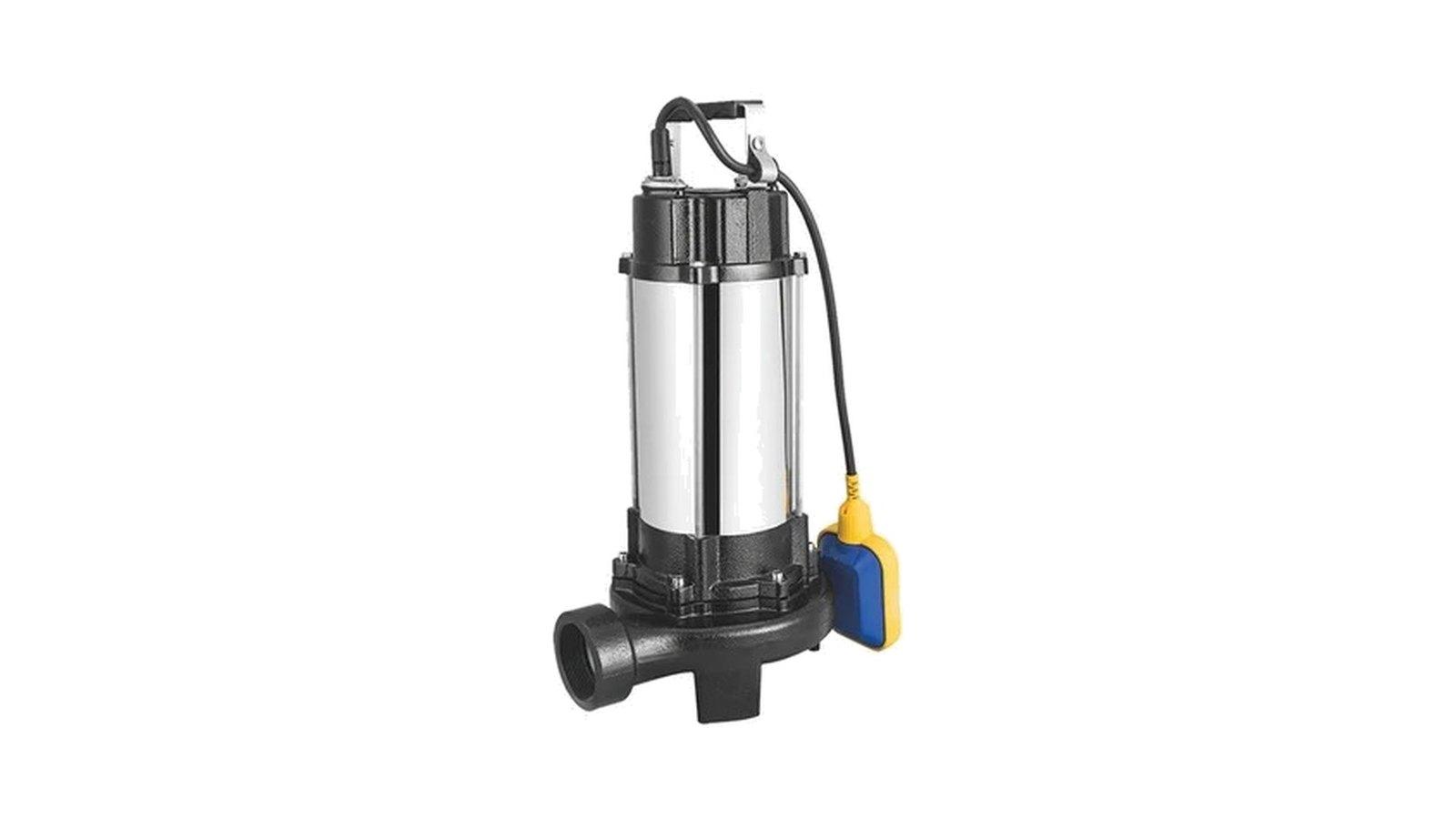
Mud and sewage pumps. Short and fat, with a cast iron volute at the bottom and an open or vortex impeller that passes solids. A submersible mud pump with a float switch is what goes into a septic pit, a basement sump, a car wash drain or a muddy foundation. Ask what solid size the pump passes; on site pumps it is usually 10 to 35 mm.
Heavy duty sewage and dewatering pumps. All cast iron, three phase, with lifting eyes for a chain. A heavy duty submersible sewage pump is what municipal teams lower into manholes and what contractors run around the clock in a flooded foundation during the monsoon. They are heavier, slower to wear and far more expensive than the domestic pumps in a hardware shop.
There is a fourth machine that is not submersible: the engine driven dewatering pump, which sits on the bank and draws water up a suction hose. It needs no electric supply and is the right choice where there is no power, but it can only lift about 7 metres on the suction side.
How much does a submersible pump cost in Pakistan?
Indicative market ranges, October 2026. Confirm today's price on WhatsApp, rates move with the exchange rate and with copper prices.
| Type | Typical size | Supply | Indicative market price (PKR) | Typical use |
|---|---|---|---|---|
| Domestic sewage or mud pump | 0.5 to 1 HP, 1.5 to 2 inch outlet | 220 V | 12,000 to 30,000 | Septic pit, basement sump, car wash |
| Mud pump with stainless body and float | 1 to 2 HP, 2 inch outlet | 220 V | 25,000 to 60,000 | Construction sumps, silt and sand |
| Borehole pump | 1 to 2 HP, 4 inch | 220 V | 28,000 to 40,000 | Tube wells, clean water |
| Cast iron sewage pump | 3 to 7.5 HP, 3 to 4 inch outlet | 380 V | 60,000 to 250,000 | Manholes, sewage lines, housing schemes |
| Heavy dewatering pump | 10 HP and up, 4 to 6 inch outlet | 380 V | 250,000 and up | Deep foundations, flooded excavations |
The spread inside each band is mostly about the motor. Copper winding against aluminium, a stainless shaft against plain steel, a mechanical seal against a lip seal. The pump that looks identical for half the price is usually the aluminium winding version, and it is the one that comes back burnt in its first summer.
How to size a submersible pump by head and flow
Every listing quotes two numbers: maximum head and maximum flow. Neither is the figure you will get. The maximum flow is at zero head, which means the pump lifting water nowhere. The maximum head is at zero flow, which means the pump holding a column of water and moving none of it.
What you need is the point between them. Work it out in three steps:
- Static head. The vertical distance from the water level in the pit to the point of discharge. A 4 metre deep foundation discharging at ground level is 4 metres.
- Friction. Add about 1 metre for every 10 metres of layflat hose, more for a narrow hose. A 4 metre pit discharging 30 metres away into a drain has a total head of about 7 metres.
- Flow. How fast does the water come in? Time how long the pit takes to rise by 10 cm and multiply by its area. Choose a pump that delivers at least one and a half times that flow at your total head, read off the pump's curve.
The field check nobody does: before you buy, ask the seller for the performance curve and find your head on it. If they cannot produce a curve, you are buying a number on a box.
Which pump for which job
- House septic pit or basement. A 1 HP mud or sewage pump with a float switch and a 2 inch outlet. The float switch is not optional; it is what stops the pump running dry at 3 a.m.
- Construction site sump, foundation seepage. A stainless body mud pump for small pits, a three phase cast iron pump for anything that floods. Keep a spare on site during the monsoon; a pump failure on a Friday evening floods the rebar by Monday.
- Manholes, sewage lines, housing society drains. A cast iron sewage pump with lifting eyes and a chain, lowered and lifted without anyone entering the manhole.
- Clean water from a bore. A borehole submersible pump sized to the depth of the water table plus the height of the overhead tank.
- No power on site. An engine driven dewatering pump on the bank.
What burns submersible pumps out
Most pumps we see on the bench in Rawalpindi failed for one of four reasons, and none of them is a manufacturing fault.
Running dry. A submersible motor is cooled by the water around it. Once the pit is empty, the motor heats up within minutes. A float switch prevents this. So does a sensible person, but not at night.
Low voltage. On a single phase supply that sags below about 200 V during load shedding recovery or at the end of a long cable, the motor draws more current and the winding overheats. Use a cable of the right gauge for the length, and fit a voltage protector.
Wrong impeller. A clean water pump in muddy water seizes. Sand works into the seal, the bearing goes, and the motor floods. Match the impeller to what the water carries.
Lifting by the cable. The power cable is not a rope. Pulling a pump out of a pit by its cable breaks the seal at the cable entry, water wicks into the motor, and it trips on the next start. Use the handle, the lifting eyes and a rope.
What we supply
Pumps sit under Pressure Pumps & Washers:
- Submersible mud pump: stainless body, cast iron volute, float switch.
- Heavy duty submersible sewage pump: cast iron, lifting eyes, in stock in Rawalpindi in several sizes.
- Submersible pump: electric submersibles for clean and dirty water.
- Dewatering pump: petrol and diesel self priming pumps for sites without power.
For cleaning the site after the water has gone, see our pressure washer price guide.
Ask for today's price
Send us four things on WhatsApp: what the water carries (clean, silty, sewage), the depth of the pit, how far the water has to travel, and whether you have single or three phase power. We will match a pump to the job, send the curve, and tell you today's price and stock. Contact us for a quote with delivery across Pakistan.
What we supply
Equipment covered in this guide
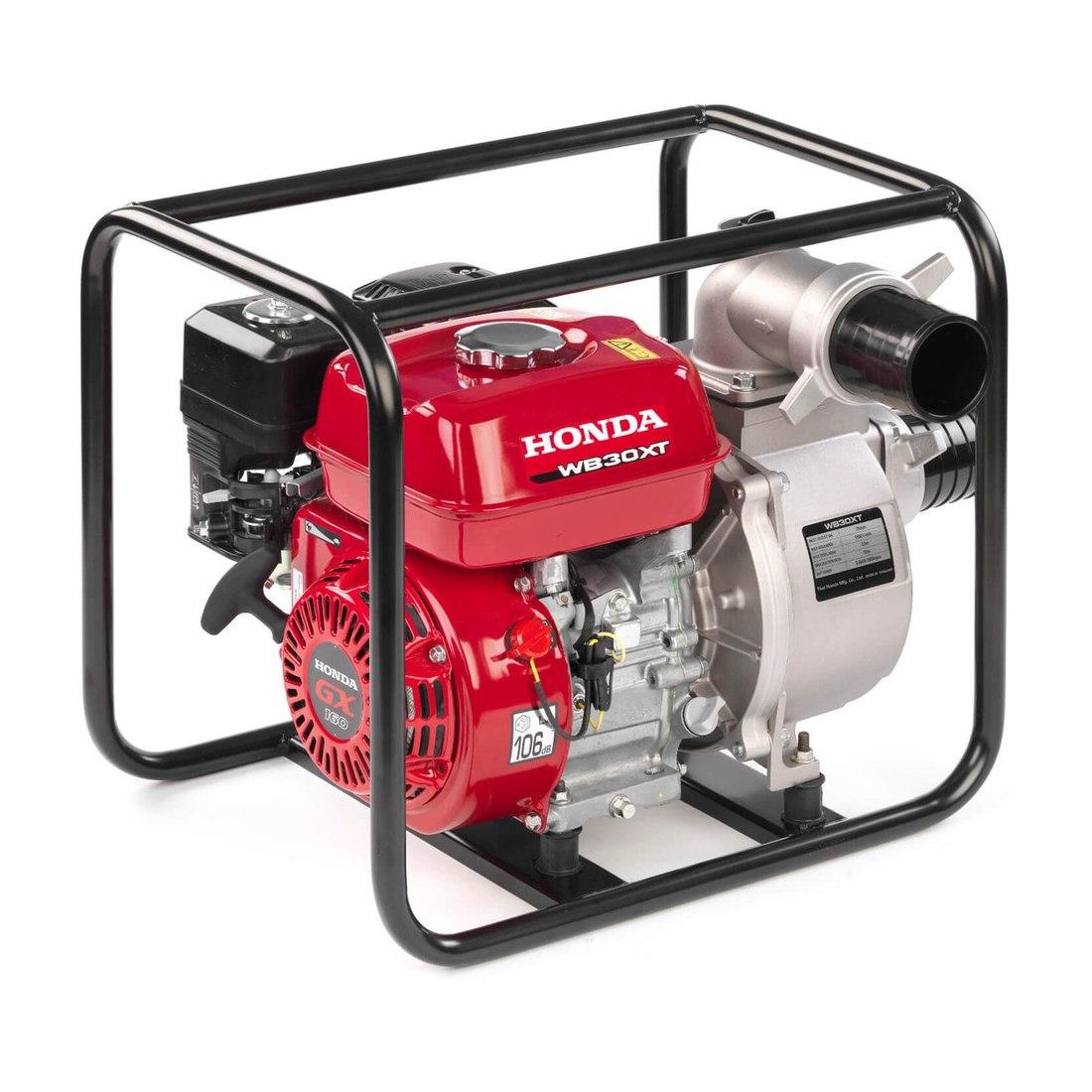
Dewatering Pump
Self priming petrol and diesel dewatering pumps for excavations, basements and monsoon work.
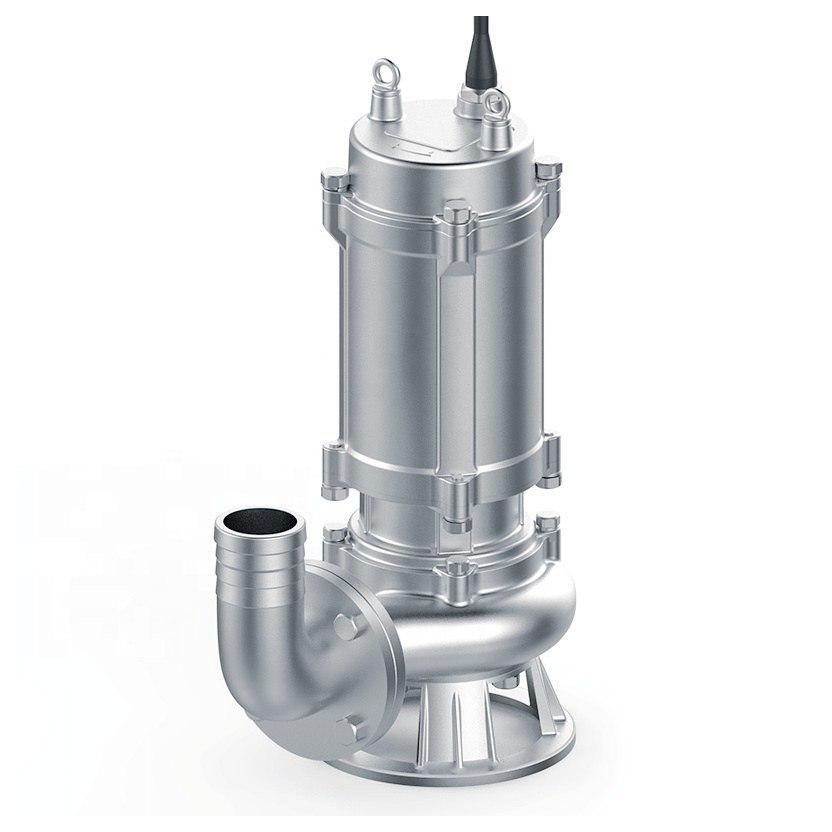
Submersible Pump
Electric submersibles for clean and dirty water, in the sizes a site actually keeps on the shelf.
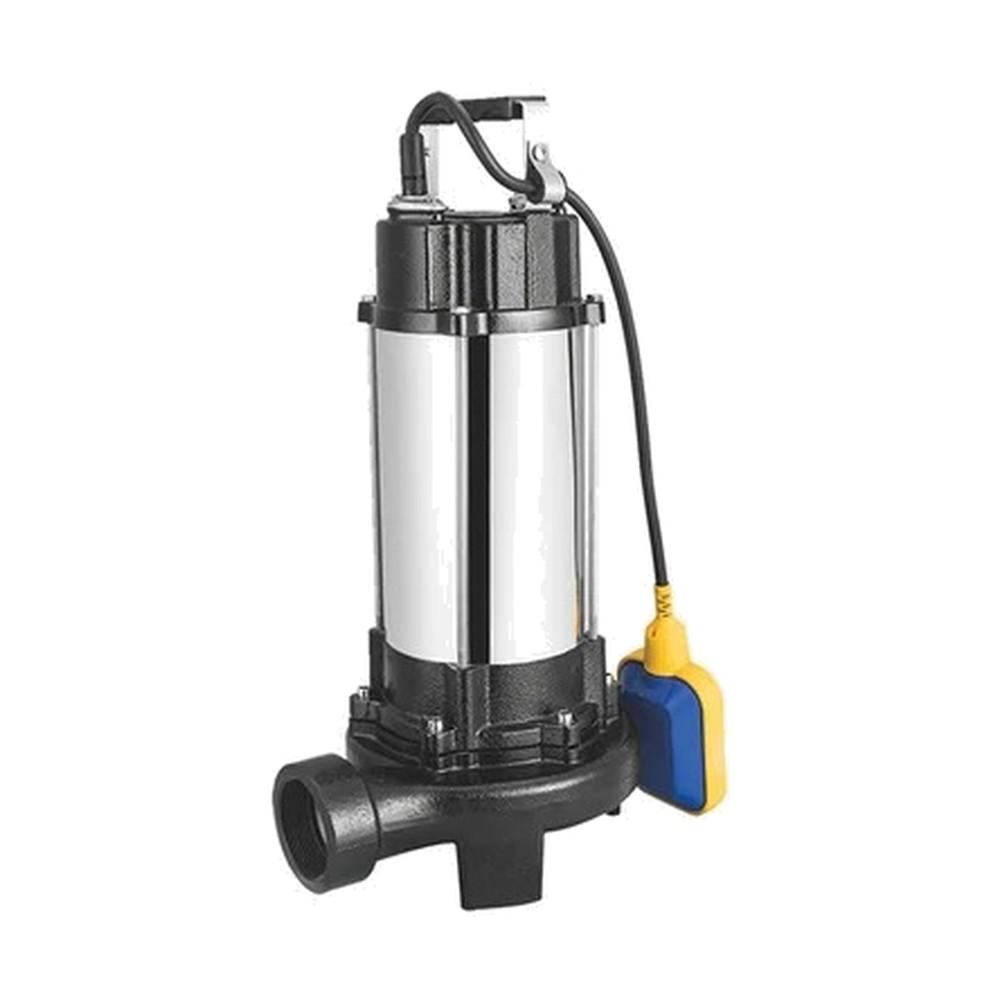
Submersible Mud Pump
Stainless body, cast iron volute and a float switch, for muddy water, slurry and sump drainage on site, in basements and in septic pits.
FAQ
Questions buyers ask us
What is the price of a submersible pump in Pakistan?
In October 2026 a 1 HP submersible sewage or mud pump sells for about PKR 12,000 to 30,000 at Pakistani retailers, and a 1 to 2 HP borehole pump for about PKR 28,000 to 40,000. Heavy cast iron three phase sewage and dewatering pumps run from about PKR 60,000 into the lakhs by size. These are market ranges; we quote on WhatsApp.
What is the difference between a mud pump and a normal submersible pump?
A clean water submersible has tight clearances and a closed impeller, and sand or silt wears it out in weeks. A mud pump has an open or vortex impeller, a cast iron volute and a wider passage, so it passes silt, sand and soft solids up to the size stated on its plate, usually 10 to 35 mm on site pumps.
Which pump is best for a basement or a septic pit?
A submersible mud or sewage pump with an automatic float switch. The float starts the pump when the water rises and stops it before it runs dry, which is the main cause of burnt motors. For a domestic septic pit a 1 HP pump with a 2 inch outlet is usual; for a commercial basement, size by the inflow.
How do I choose the right size of dewatering pump?
Measure the total head: the vertical lift from the water level to the discharge point, plus about 1 metre for every 10 metres of hose. Estimate the inflow in litres per minute. Pick a pump whose curve gives that flow at that head, not its maximum flow at zero head, which is the figure most listings quote.
Why do submersible pumps burn out?
Running dry, low voltage and blocked impellers. A pump that runs without water loses the cooling it relies on, a supply that sags below about 200 V on single phase overheats the winding, and a clean water pump used in muddy water seizes. A float switch, a voltage protector and the right impeller prevent most failures.
Single phase or three phase?
Single phase 220 V for pumps up to about 2 HP, where a site or house has only a domestic connection. Three phase 380 V for larger cast iron sewage and dewatering pumps, which run cooler and last longer on a construction site with a generator or an industrial supply.