Static water level is the depth to water in a well after the pump has been off long enough for the level to stop rising, usually four hours or more. Pumping water level is the depth while the pump runs and the level has settled. The difference, often 5 to 20 m in Pakistani tube wells, is the drawdown.
These three numbers are the health record of a bore. With them you can tell whether a pump is set at the right depth, whether a weak supply is the pump's fault or the well's, and how many seasons a falling well has left.
What is static water level?
The static, or standing, water level is where water settles in a well when nothing is drawing on it. It reflects the pressure in the aquifer at that point, and it is the number that maps of the water table are built from.
To measure it properly:
- The well's own pump must have been off for at least four hours, ideally overnight.
- Nearby pumps should be off too, if you can arrange it. A neighbour's pump 50 m away can pull your static level down by a metre or more.
- Measure from a fixed, marked point on the casing.
Static level changes with the seasons. In the Pothohar it is usually lowest in May and June, before the monsoon, and recovers after July and August. For year-on-year comparison, always measure in the same month.
What is dynamic or pumping water level?
The pumping water level, also called the dynamic level, is where water stands in the well while the pump runs at its normal rate. When a pump starts, the level falls quickly, then more slowly, then settles. The settled reading, usually after 30 to 60 minutes, is the pumping level.
It is always deeper than the static level, because water must flow through the aquifer towards the well, and that flow needs a slope in the water surface.
What is drawdown, and what does it tell you?
Drawdown is simply pumping level minus static level.
| Static level | Pumping level | Flow | Drawdown | Specific capacity |
|---|---|---|---|---|
| 30 m | 36 m | 6 L/s | 6 m | 1.0 L/s per m |
| 30 m | 48 m | 6 L/s | 18 m | 0.33 L/s per m |
| 60 m | 66 m | 3 L/s | 6 m | 0.5 L/s per m |
Divide the flow by the drawdown to get specific capacity: litres per second for each metre of drawdown. It is the single most useful number for comparing a well over time. A well whose specific capacity has halved since it was drilled has a problem in the well, most often a clogged screen or silt, not necessarily in the aquifer.
How to measure both with a water level meter
- With the pump off for four hours or more, lower a water level meter down the access pipe and record the static level.
- Start the pump at its normal rate. Note the time.
- Measure the level at 5, 10, 20, 30, 45 and 60 minutes.
- When three readings in a row are within a few centimetres, record that as the pumping level.
- Note the flow if you can measure it, with a flow meter or by timing a drum.
Our guide on how to measure water level in a borewell covers access past the pump and the common reading mistakes.
Setting the pump at the right depth
The pump intake must sit below the deepest pumping level the well will ever see, with water to spare. Our working rule: at least 3 to 5 m of water above the intake at the dry season pumping level, plus allowance for the yearly decline in falling areas such as Rawalpindi and Islamabad.
A pump set too high draws air when the level drops. Submersible motors are cooled by water flowing past them; when air gets in, they overheat. Many motors that come back burnt out in June are victims of a pump set for last year's water level.
A pump set too low, near the bottom of the bore, draws in silt and sand that wear the impellers. Keep it clear of the bottom and of the screen if the drilling record shows where the screen is.
The comparison that settles arguments
When a tube well gives less water than it used to, the owner blames the pump and the pump seller blames the well. Static level, pumping level and flow settle it in an afternoon:
- Static level fallen, specific capacity unchanged: the aquifer has dropped; lower the pump or deepen the bore.
- Static level unchanged, specific capacity much lower: the well is clogging; it needs redevelopment or a camera inspection.
- Both unchanged, flow lower: the problem is the pump, riser or valve.
A borehole inspection camera confirms the second case before money is spent on redevelopment.
When the readings mislead
Static and pumping levels are simple numbers, but several common situations make them wrong without anyone noticing.
The pump was not off long enough. A level read 20 minutes after the pump stopped can be metres too deep. Always record how long the pump had been off. Four hours is a minimum; overnight is better.
A neighbour is pumping. In dense societies, bores are often tens of metres apart. A static reading taken while the next house is filling its tank is really a pumping level. Early morning, before anyone's pump starts, gives the cleanest static reading.
The flow was not the normal flow. A pumping level measured with the gate valve half closed, or with low voltage slowing the motor, is not comparable with last year's. Note the flow every time, even roughly, by timing how long it takes to fill a bucket of known size.
The reference point moved. A casing cut down during renovation, or a new slab poured around the top of the bore, changes every reading by the same amount. Measure the height of the reference mark above the floor and write it down, so a moved mark can be corrected.
Monsoon recharge. A reading in September can look like a recovery. Compare May with May.
None of this needs extra equipment, only discipline. A register with columns for date, time, pump off since, flow and reader removes most of it.
A worked example from a Rawalpindi bore
Take a 120 m household bore in a society on the Rawalpindi side. The pump hangs at 75 m. In May the static level reads 48 m and the pumping level, after an hour at the usual flow, reads 63 m. Drawdown is 15 m, and there are 12 m of water above the pump intake.
The previous May's readings were 46 m static and 61 m pumping, so the level fell 2 m in a year while drawdown stayed the same. The well itself is healthy; the aquifer is dropping. At 2 m a year, the water above the pump falls below our 3 to 5 m margin in about four years. The owner can plan to lower the pump by 15 to 20 m during the next routine service, which the 120 m bore allows, instead of waiting for it to draw air in a June heatwave.
How often should you measure?
For a household bore, once a year in May is enough to see the trend. For a society's community tube wells or a factory supply, measure monthly, and log static level, pumping level and flow together. Our guide to groundwater level monitoring sets out a simple monthly routine.
What we supply
- Water level meter, 50 m and 100 m.
- Submersible pumps, sized on the pumping level you measure.
- Borehole inspection camera for wells whose specific capacity has dropped.
For running a full test, read pumping test for tube wells.
Ask for today's price
Send us your static and pumping levels if you have them, the bore depth and the pump details. We will suggest the right meter and, if needed, where to reset the pump. Send us a WhatsApp for today's price.
What we supply
Equipment covered in this guide
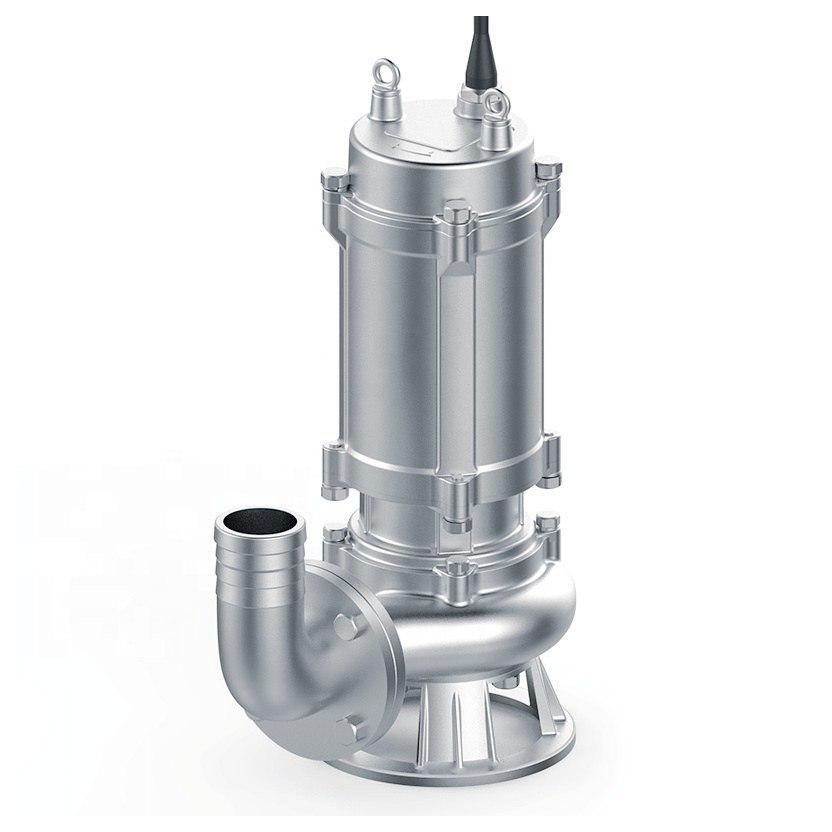
Submersible Pump
Electric submersibles for clean and dirty water, in the sizes a site actually keeps on the shelf.
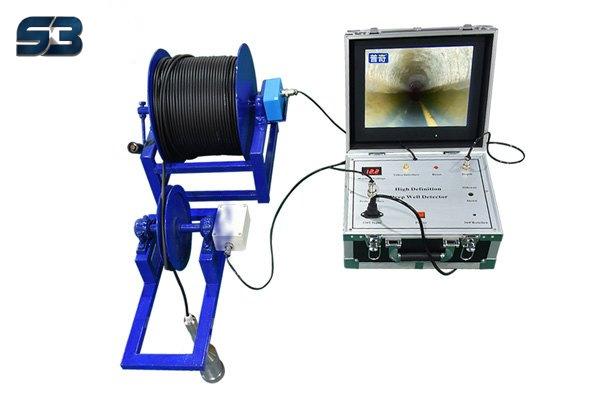 200 m borehole camera
Borehole Inspection Camera, 200 m
Two hundred metres of waterproof cable and a camera that looks sideways as well as down. Stops a borehole dispute becoming an argument.
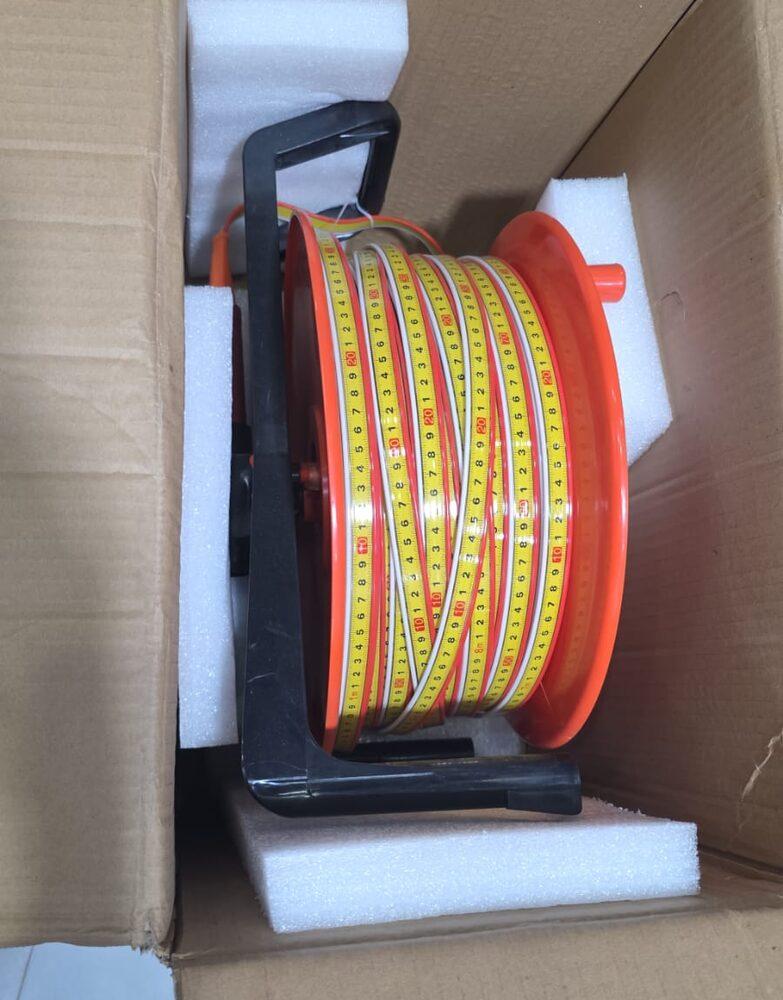
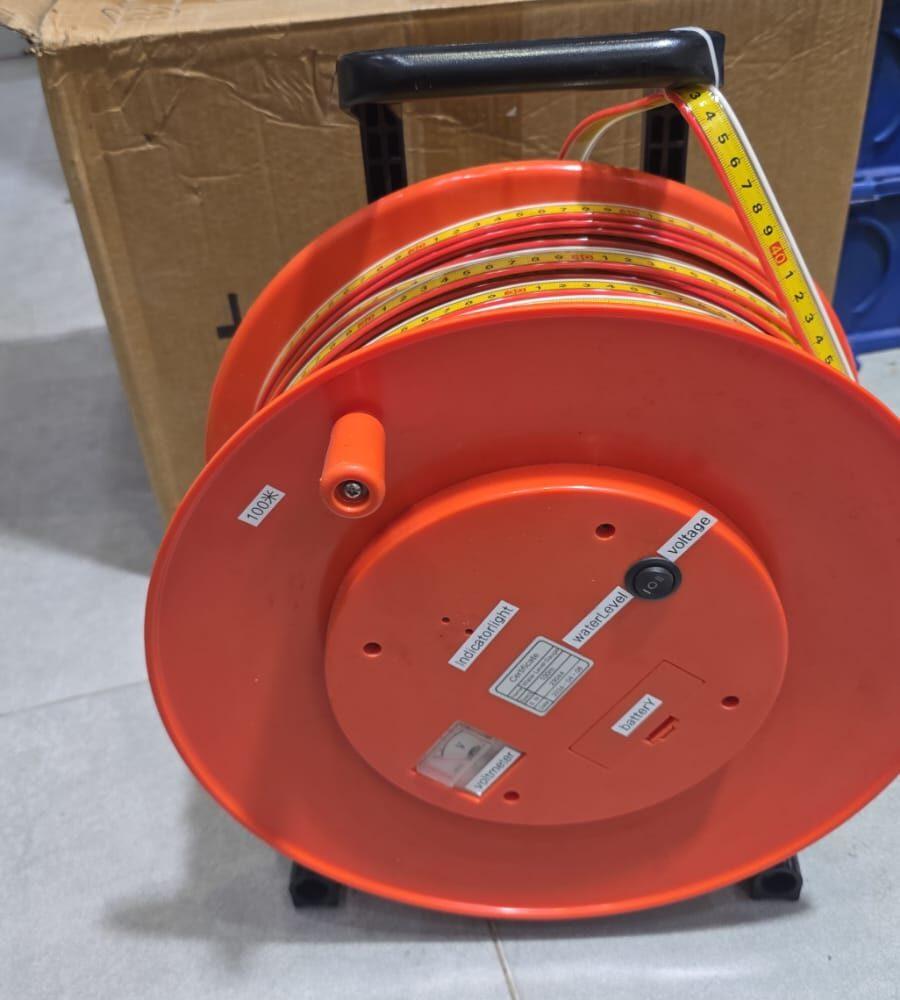
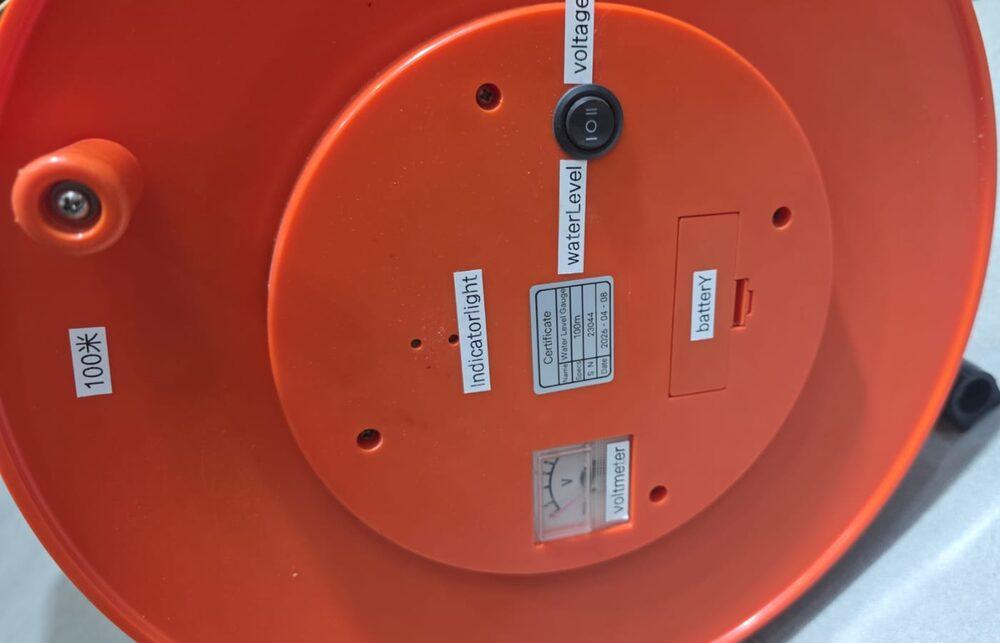
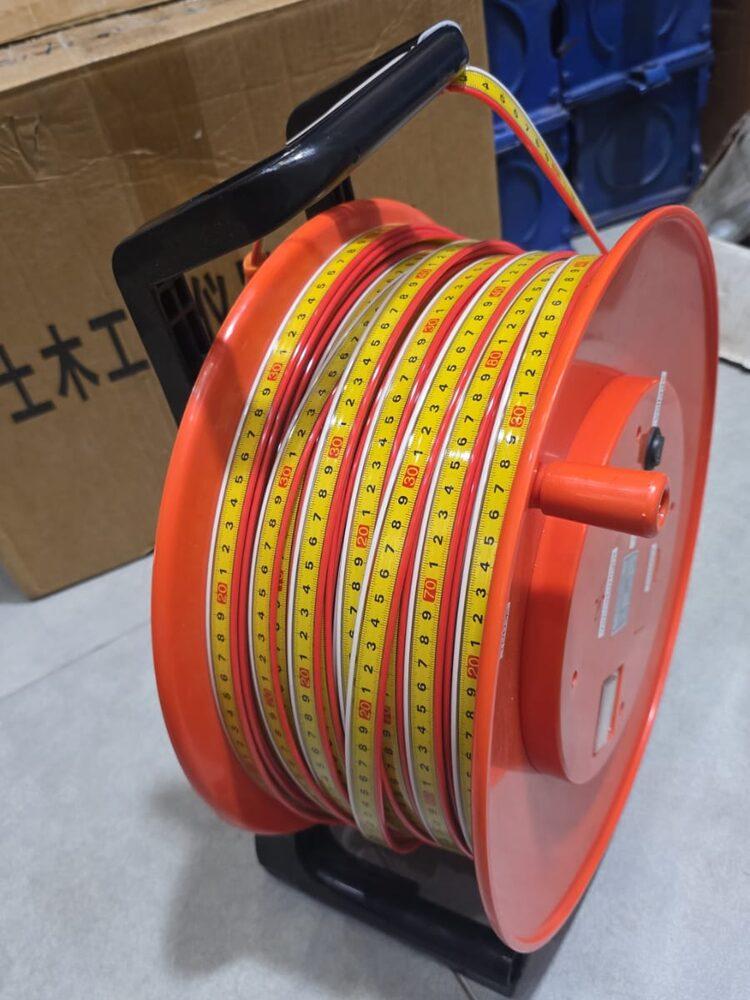
50 m and 100 m reelWater Level Meter, 50 m & 100 m
A graduated tape on a carry reel with a light and a voltmeter that tell you the moment the probe touches water. In stock in 50 and 100 metre lengths.
FAQ
Questions buyers ask us
What is static water level?
Static water level is the depth from ground to water in a well when no pumping has taken place for several hours and the level has stopped rising. It shows the natural level of the aquifer at that well. Measure it with a water level meter after the pump has been off for at least four hours.
What is dynamic or pumping water level?
The dynamic or pumping water level is the depth to water while the pump runs at its normal rate, after the level has settled, usually 30 to 60 minutes after starting. It is always deeper than the static level and is the number that decides where the pump must be set.
What is drawdown?
Drawdown is the pumping water level minus the static water level. If water stands at 30 m at rest and 42 m while pumping, drawdown is 12 m. Large drawdown at modest flow suggests a weak aquifer or a clogged screen; small drawdown at high flow means a productive well.
How far above the pump should the pumping level be?
Keep at least 3 to 5 m of water above the pump intake at the pumping level, more if the static level is falling year on year. Less than that, and seasonal decline or a dry spell lets the pump draw air, which overheats submersible motors.
Why does my static water level change through the year?
Static levels in Pakistan are usually lowest in late spring, before the monsoon, and highest in late summer or autumn after recharge. Neighbouring pumps also pull your level down. Compare readings from the same month each year to see the real trend.