Tube well depth in Pakistan ranges from about 30 to 60 m in canal-irrigated plains to well past 100 m in Rawalpindi and Islamabad and several hundred metres in Quetta valley. The right depth for your bore is the one that keeps the pump at least 3 to 5 m below the dry season pumping level, with margin for a falling table.
Most bores that fail were drilled to the depth that worked for a neighbour ten years ago. The water has moved since. This guide covers how deep bores go by region, how to choose your own depth, and how to measure the well you already have.
How deep are tube wells across Pakistan?
These are typical ranges we hear from drillers and customers buying instruments. They vary within each region, sometimes over a few hundred metres, so treat them as a starting point for questions, not a design.
| Region | Typical bore depths | What drives it |
|---|---|---|
| Canal areas of central and southern Punjab | 30 to 60 m | Canal seepage keeps water shallow |
| Lahore city | Deeper than surrounding farmland | Heavy urban pumping has lowered levels |
| Sindh plains | Often shallow | Shallow water is frequently brackish; quality limits depth |
| Rawalpindi and Islamabad | Often beyond 100 m | Fractured rock, falling table, dense private pumping |
| Chakwal, Attock, Jhelum uplands | Variable, often deep | Pothohar geology, limited recharge |
| Quetta, Pishin, Mastung | Several hundred metres common | Long-term over-pumping of valley aquifers |
| Thar | Variable | Quality as much as depth; many bores saline |
How deep should your bore be?
Work it out from four facts, in this order.
- Depth of nearby working bores. Ask neighbours and local drillers what depth they reached, where the pump hangs and whether it has been lowered.
- Where the water-bearing layers are. A resistivity survey before drilling shows likely fractures and gravel layers. See our guide to underground water detector price in Pakistan.
- The expected pumping level. Static level plus drawdown at your required flow. A 1 inch household supply draws down far less than a society tube well.
- The yearly decline. In the twin cities, a few feet a year is common. Ten years of decline is a real number to add.
The bore must reach below the pumping level after ten years of decline, plus room for the pump, plus a sump below the pump for silt.
How do I measure the depth of my well?
Total depth is measured with the pump out of the bore.
- Remove the pump and riser, or wait until they are out for service.
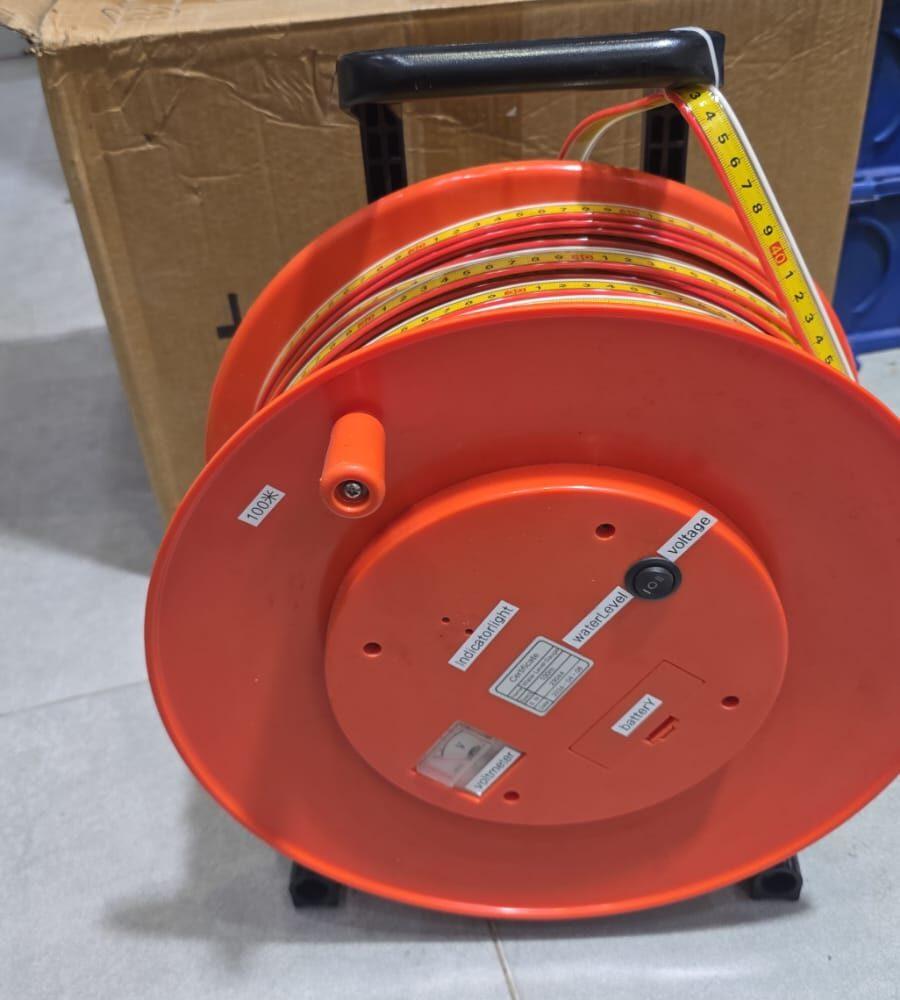
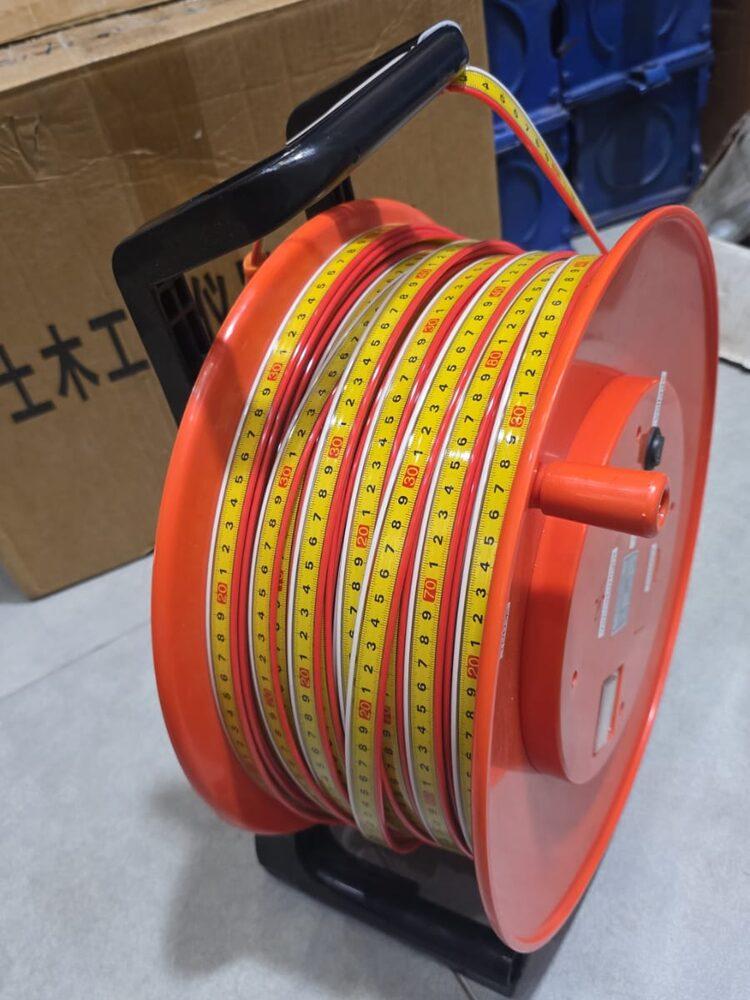
- Attach a weight to a measuring tape, or use a water level meter with a weighted probe.
- Lower until the tape goes slack, then lift gently until you feel the weight just touch bottom.
- Read the tape at the top of the casing.
- Compare with the drilled depth on the driller's record.
While the pump is out, measure the water level too. Our guide on how to measure water level in a borewell gives the full method.
Why do bores silt up?
A bore that measures several metres shallower than its drilled depth has filled with sand and silt. Common causes:
- Poorly developed screen or gravel pack. Fine material keeps entering for years.
- Over-pumping. A pump too large for the well pulls water in fast enough to carry sand.
- Damaged or corroded casing. Older steel casing in aggressive water rusts through.
A borehole inspection camera tells you which. Ordinary silt can be bailed or airlifted out. Collapsed casing usually means a new bore.
The depth figure that is often wrong
Drilling records in Pakistan are often a number written on a receipt, and not every bore reaches the depth that was charged for. When a new bore is finished, measure the depth yourself with a weighted tape before the pump goes in and before the final payment. It takes ten minutes, and it is the only time the full depth is easy to check.
Deepen the old bore or drill a new one?
When a bore no longer reaches enough water, there are three options, and the cheapest is not always obvious.
Lower the pump. If the bore is deeper than the pump setting, adding riser pipe and cable moves the pump down into water. This is the cheapest fix and often buys several years. It only works while there is depth to spare above the silt at the bottom, which is why measuring total depth matters.
Clean and redevelop. If the bore has silted, bailing or airlifting the silt out restores its original depth, and redevelopment can reopen a clogged screen. A camera inspection first tells you whether the casing is sound enough to be worth it.
Drill a new bore. Necessary when the casing has failed, the bore is too narrow to deepen, or the water-bearing layers it reaches have dried. A new bore should be sited with a survey and drilled to the depth the next ten years will need, not the depth that worked last time.
Deepening an existing bore through its casing is sometimes possible with a smaller-diameter drill and inner casing, but it reduces the space for the pump and is not always practical. A local driller who has seen the casing is the right person to judge.
What these decisions share is that they depend on measurements: total depth, static level, pumping level and pump setting. Without them, the choice is a guess, and guesses in this trade tend to cost a new bore.
Water quality changes with depth
Depth is not only about quantity. In parts of Sindh, southern Punjab and Thar, fresh water sits as a layer above brackish or saline water, and drilling too deep or pumping too hard draws the salty water up. In other areas, deeper water is cleaner than a shallow layer polluted by sewage and septic tanks. The only way to know is to test: take a sample at the end of development, have it checked for TDS, hardness and, in affected districts, arsenic, and keep the result with the depth record. A bore that reaches plenty of water that nobody can drink has not solved the problem.
Depth, water level and the pump: putting them together
For any bore, keep these four numbers in one place:
- Total depth (measured, not just drilled).
- Static water level, measured in May.
- Pumping water level at normal flow.
- Pump intake depth.
From them you can see how much water stands above the pump, how fast the level is falling, and how long before the pump must be lowered or the bore deepened. Our guide to static water level vs pumping water level explains each.
What we supply
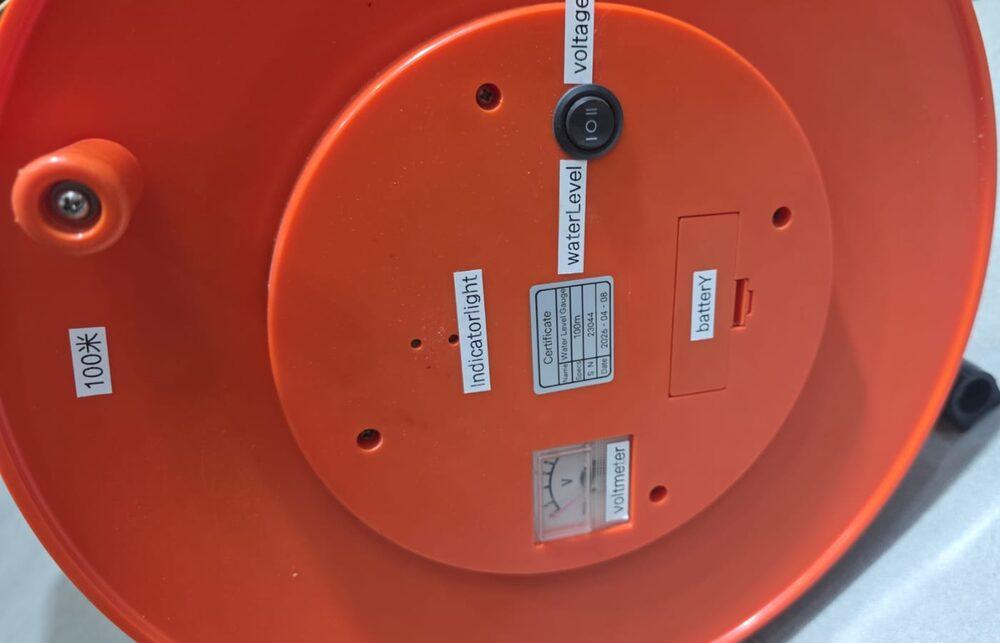
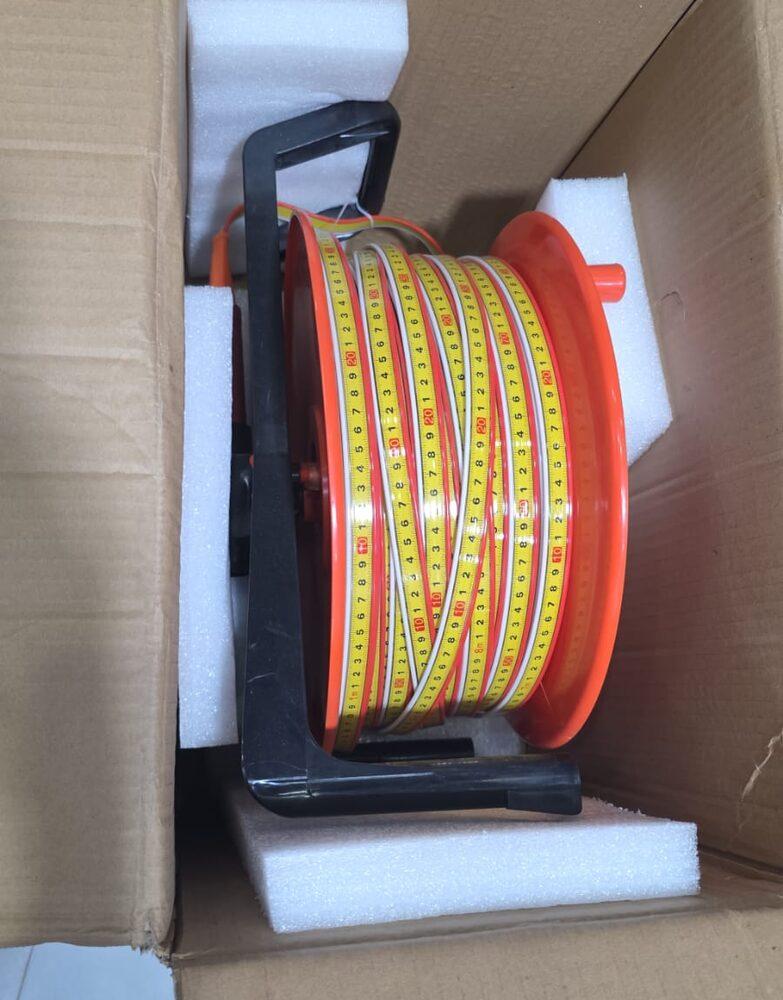
- Water level meter, 50 m and 100 m for depth to water and, weighted, for total depth on shallower bores.
- TC series water detector for siting a new bore.
- Submersible pumps and the borehole inspection camera.
For the twin cities in particular, see underground water level in Islamabad and Rawalpindi.
Ask for today's price
Send us your location, the depth of nearby bores and whether you are drilling new or checking an existing well. Send us a WhatsApp for today's price on a meter, a survey or both.
What we supply
Equipment covered in this guide
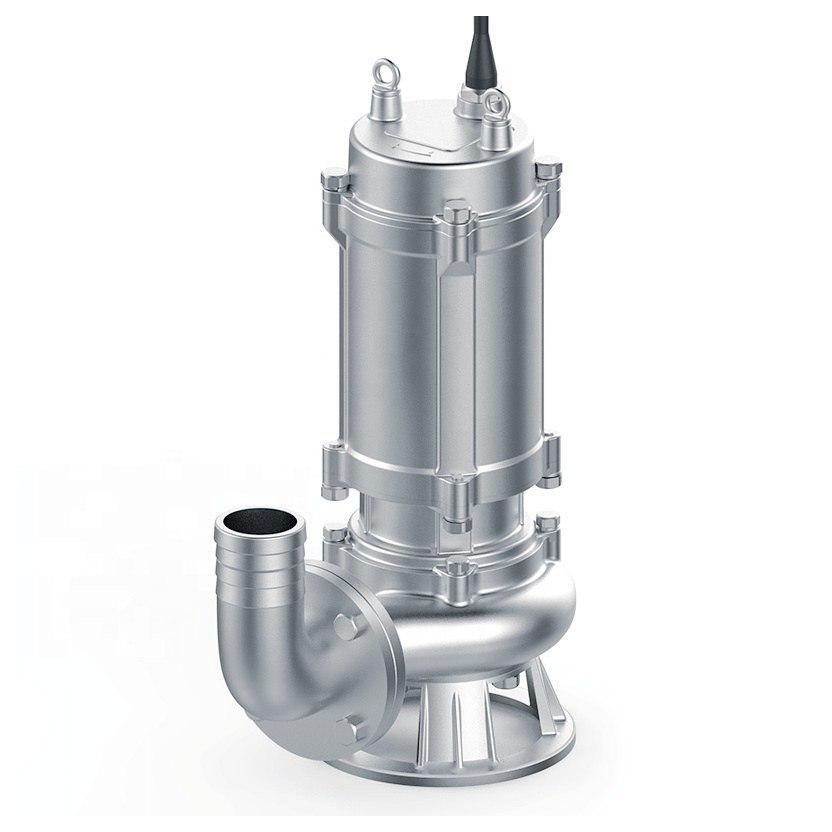
Submersible Pump
Electric submersibles for clean and dirty water, in the sizes a site actually keeps on the shelf.
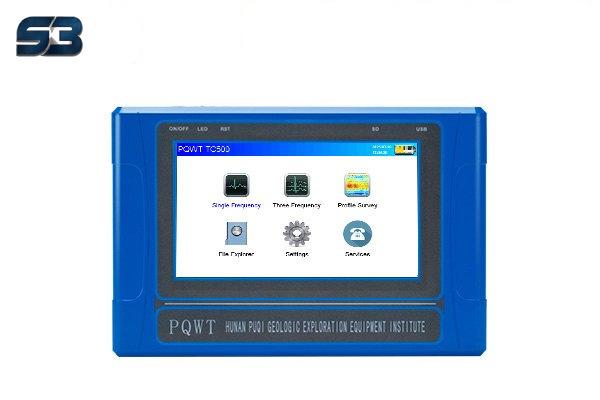 TC150 / TC300 / TC500
TC Series Water Detector
The range most of our borehole siting work is done with. Walk the profile, read the section, mark the position and the depth to drill to.
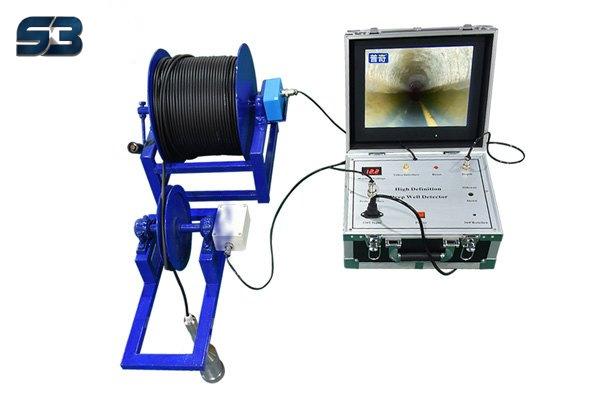 200 m borehole camera
Borehole Inspection Camera, 200 m
Two hundred metres of waterproof cable and a camera that looks sideways as well as down. Stops a borehole dispute becoming an argument.
FAQ
Questions buyers ask us
How deep should a tube well be in Pakistan?
Deep enough that the pump sits at least 3 to 5 m below the dry season pumping level, with extra depth for the yearly fall. In canal areas of Punjab and Sindh that may be 30 to 60 m; around Rawalpindi and Islamabad many bores now go past 100 m; in Quetta valley several hundred metres is common.
How do I measure the depth of my well?
With the pump removed, lower a weighted tape or a weighted water level meter until it goes slack on the bottom and read the tape at the casing top. Compare with the drilled depth on the driller's record. If the measured depth is several metres shorter, the bore has silted.
Why has my bore become shallower?
Sand and silt enter through the screen or a damaged casing and settle at the bottom. Over-pumping makes it worse by drawing fine material in at high velocity. A camera inspection shows whether it is ordinary silting, which can be cleaned, or collapsed casing, which may need a new bore.
Is a deeper bore always better?
No. Below the water-bearing layers, extra depth adds cost without adding water, and in some areas deeper water is more saline. The right depth reaches through the productive layers with margin for decline. A resistivity survey and records of nearby bores show where those layers are.
How is tube well depth different from water level?
Depth is how far the bore goes, from casing top to bottom. Water level is how far down the water stands inside it. A 120 m bore may have water at 45 m at rest and 60 m while pumping. Both are measured with a tape, but water level changes daily while depth only changes if the bore silts.