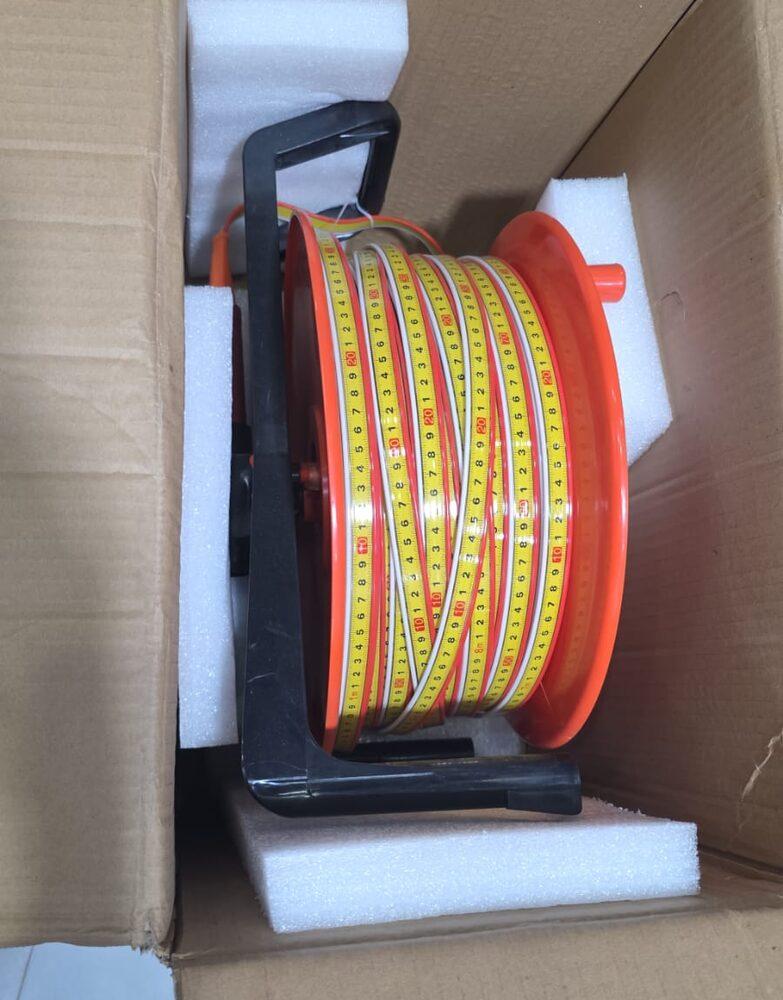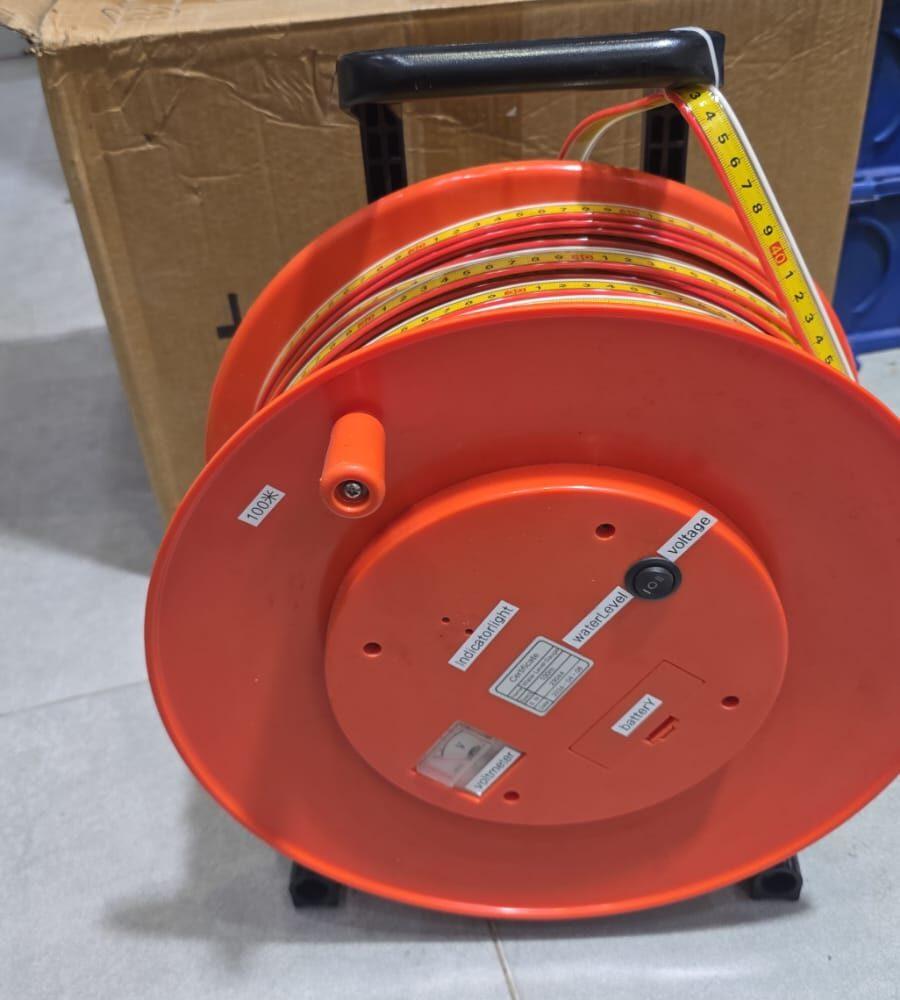
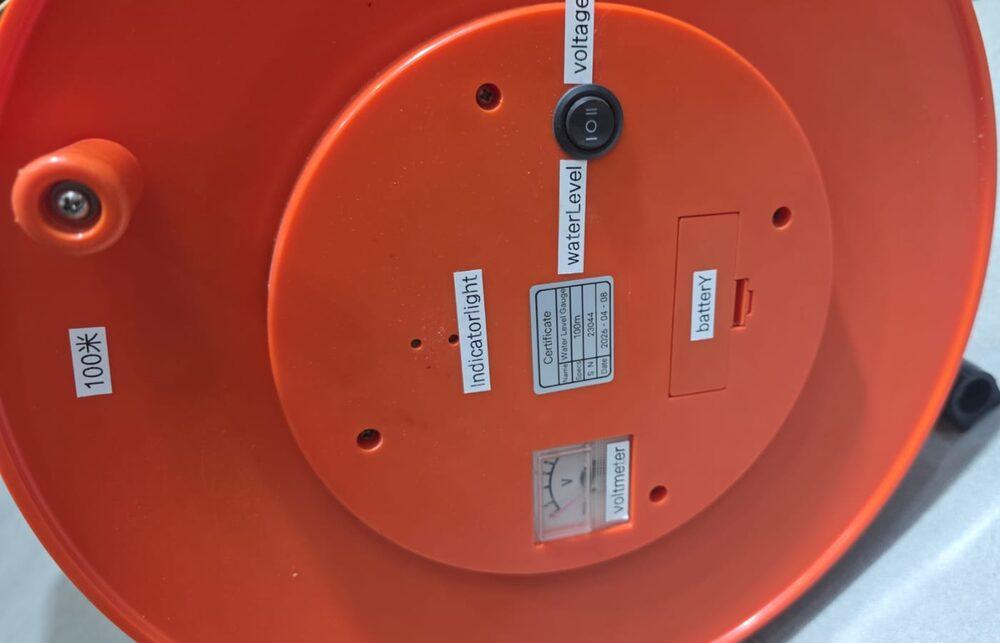
Groundwater level monitoring is the regular measurement of water levels in wells, to see how the aquifer under a site changes over months and years. For most Pakistani housing societies and factories, a monthly reading with a water level meter in each tube well, taking about 10 minutes a well, is all it takes.
Most societies in Rawalpindi, Islamabad and Lahore have no such record. They find out the table has fallen when a tube well starts drawing air in June. A simple monthly routine gives two or three years' warning instead.
Why monitor groundwater levels?
Because the water table under the twin cities and much of Punjab is falling, and the only defence is to see it coming.
- Housing societies can lower pumps, plan new bores and budget for them before residents are on tankers.
- Factories that depend on a bore for process water can plan capacity and see when neighbouring pumping is affecting them.
- Construction projects use monitoring to prove dewatering works and to defend against settlement claims.
- Farms on tube well irrigation can see whether a falling level, not a failing pump, explains the higher electricity bill.
Groundwater level monitoring methods
There are three ways to monitor, and they can be combined.
| Method | Equipment | Readings | Cost | Best for |
|---|---|---|---|---|
| Manual dip | Water level meter | When someone visits | Lowest | Societies, factories, farms, small sites |
| Pressure logger | Transducer left in the well | Every few minutes, downloaded | Moderate per well | Pump tests, short studies |
| Telemetry | Logger with GSM or radio link | Live to an office or phone | Highest | Dams, large dewatering, research |
For most clients, manual monitoring is the right start. It needs one water level meter, a trained person and a register. It cannot fail silently: if a reading is missing, everyone knows.
Loggers make sense where events happen between visits, for example on a dewatering scheme where a pump trip at 2 am matters, or on a slope after rain.
Setting up a monitoring routine
1. List and mark every well
Give each well a short ID painted on the casing. Mark a reference point on the top of each casing, and if possible survey its level so readings can later be compared as levels, not just depths.
2. Fit access pipes
Most production bores in Pakistan have no space beside the pump riser for a probe. When each pump is next pulled, fit a 20 to 25 mm PVC access pipe down to just above the pump. Without it, monitoring is unreliable.
3. Add an observation well if you can
A well that is never pumped shows the true aquifer level around your production wells. On a society with several tube wells, one observation well in the middle tells you more than every pumped well combined. A 50 mm PVC pipe in a small-diameter bore is enough.
4. Choose the schedule
- Production wells: monthly, recording static level (pump off at least four hours) and pumping level with flow.
- Observation wells: monthly.
- Dewatering projects: daily, every morning before pumps are adjusted.
- Household bores: once a year, in May.
5. Keep one register
A spreadsheet or a bound book, with well ID, date, time, reader, level, pump status and flow. It belongs to the property, not to the person who reads it. When the maintenance supervisor leaves, the record must stay.
What the readings tell you
After a year, plot each well's static level against date. You will see the seasonal swing: lowest before the monsoon, highest after. After two or three years, the line through the May readings shows the long-term decline in metres per year.
From that, two calculations follow:
- Years left at the current pump depth: the gap between the dry season pumping level and the pump intake, divided by the yearly fall.
- When to plan a new bore: before that gap closes, not after.
Our guide to static water level vs pumping water level explains how to separate a failing aquifer from a clogging well.
The trap in monthly readings
The commonest mistake is reading a production well with its pump barely off. A pump switched off 20 minutes earlier gives a level several metres too deep, and next month, read after an overnight stop, the well appears to have recovered. The trend becomes noise. Record how long the pump has been off with every reading, and set a rule, for example readings taken at 7 am after the overnight stop. If that is impossible, an observation well solves it.
A register that works
The simplest register we recommend has one row per reading and these columns:
| Well ID | Date | Time | Pump off since | Level (m below mark) | Pumping? | Flow (L/s) | Reader | Notes |
|---|---|---|---|---|---|---|---|---|
| TW-1 | 05-05-2026 | 07:10 | 22:00 previous day | 41.36 | No | Reader 1 | Static | |
| TW-1 | 05-05-2026 | 08:20 | 49.80 | Yes | 6.5 | Reader 1 | After 60 min pumping | |
| OW-1 | 05-05-2026 | 07:25 | Never pumped | 39.92 | No | Reader 1 | Observation well |
Two rows per production well, one static and one pumping, are enough each month. Fill the register on site, not from memory later in the office. If it goes into a spreadsheet, keep the paper sheets too.
Monitoring around construction and industry
Groundwater monitoring is also a defensive record. A construction project that dewaters near existing buildings, or a factory that draws heavily from a bore beside a residential area, may face claims that its pumping caused settlement or dried up neighbouring wells. A monthly record of levels in the project's own wells and observation wells, started before pumping begins, shows what actually happened.
For construction dewatering the schedule is daily rather than monthly; see our dewatering guide. For industrial users, consultants preparing environmental assessments increasingly ask for a baseline of groundwater levels. A year of honest manual readings answers that request better than a single reading taken the week the consultant visits.
When to add loggers
Manual readings are the base, but there are cases where a logger earns its cost: a pump test, where readings every minute are needed for hours; a dewatering scheme where an overnight pump failure must be caught; a slope where water level after heavy rain is the warning sign. In these cases, hang a pressure logger in the well and keep taking manual readings with the meter alongside. The manual reading is the check that the logger has not drifted or slipped on its cable. A logger record that has never been checked against a tape reading is not evidence anyone should rely on.
Who should take the readings?
Any reliable member of the maintenance team, after a half-hour demonstration. The method is in our guide on how to measure water level in a borewell. What matters is that the same method is used every time.
What we supply
- Water level meter, 50 m and 100 m: one meter serves every well on a society or factory site.
- Borehole water level meter: slim probe for narrow access pipes.
- Borehole inspection camera: for wells whose readings point to clogging.
For the regional picture in the twin cities, see underground water level in Islamabad and Rawalpindi.
Ask for today's price
Tell us how many wells you need to monitor, their depths and whether you have access pipes. We will recommend the meter and a simple register format. Send us a WhatsApp for today's price.
What we supply
Equipment covered in this guide
 200 m borehole camera
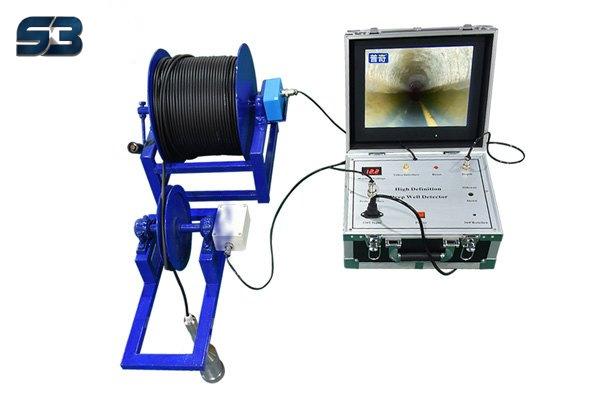
Borehole Inspection Camera, 200 m
Two hundred metres of waterproof cable and a camera that looks sideways as well as down. Stops a borehole dispute becoming an argument.
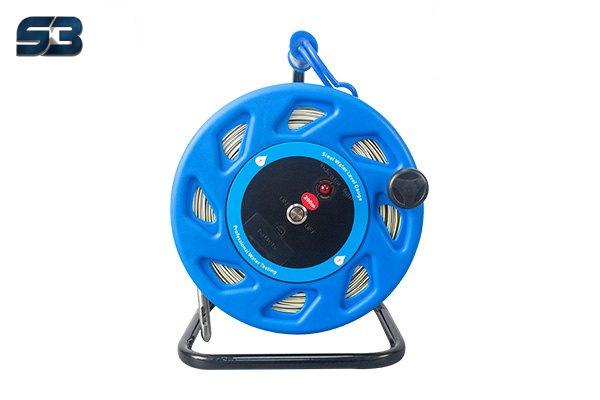 400 m water level indicator
Borehole Water Level Meter
Reeled probe on a marked cable, accurate to a tenth of a millimetre. The standard way to log a rest level and a drawdown.
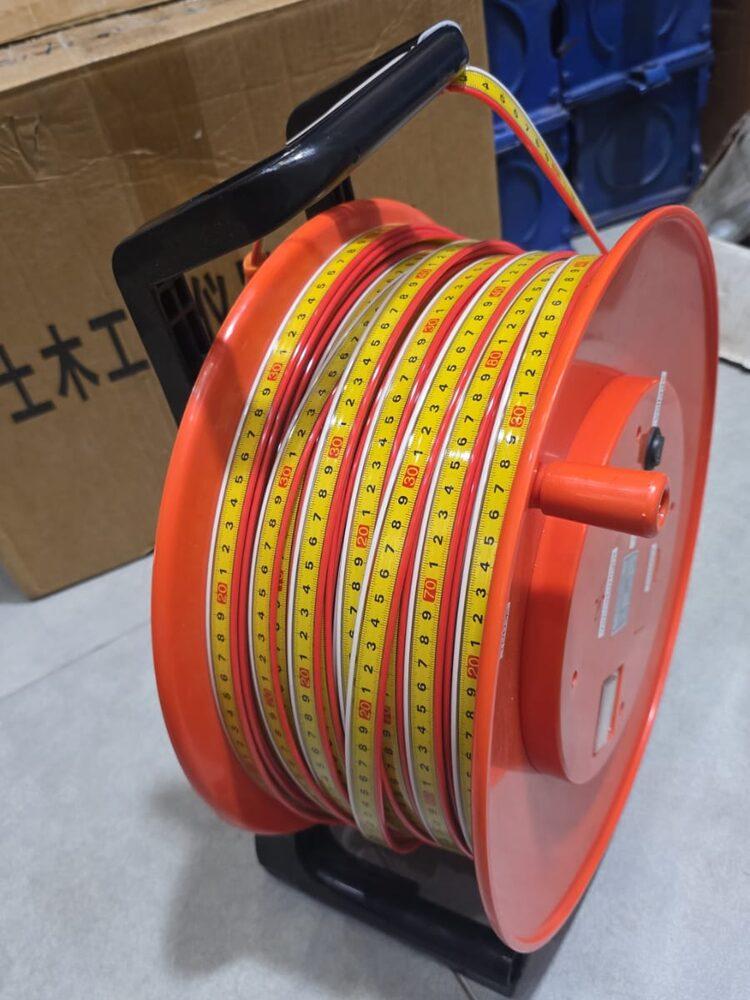 50 m and 100 m reel
Water Level Meter, 50 m & 100 m
A graduated tape on a carry reel with a light and a voltmeter that tell you the moment the probe touches water. In stock in 50 and 100 metre lengths.
FAQ
Questions buyers ask us
How is groundwater level monitored?
There are three common methods: manual readings with a water level meter lowered down a well, pressure transducers left in the well that log readings automatically, and loggers that send data by telemetry. Manual readings cost least and, done monthly by a trained person, are enough for most societies and factories.
How often should groundwater levels be measured?
Monthly is the practical standard for production wells and observation wells. Construction dewatering needs daily readings. A household bore needs one reading a year, in the same month, ideally May before the monsoon. Consistency matters more than frequency.
What is an observation well?
An observation well is a well that is not pumped, kept only for measuring water level. Because nothing pumps it, it shows the true aquifer level around the production wells. A 50 mm PVC pipe in a small bore is enough; it is read with a water level meter.
Is a data logger better than manual readings?
A logger records every few minutes and catches events between visits, which is valuable on dams and dewatering schemes. For a society or factory, a monthly manual reading with a water level meter costs far less, cannot fail silently, and is enough to see the yearly trend.
What should a monitoring record contain?
Well ID, date, time, reader's name, static or pumping level in metres from a marked reference point, how long the pump had been off, and flow rate if the well was pumping. Keep it in one register or spreadsheet that stays with the property, not with one employee.