Compactor machine price in Pakistan in 2026 runs from about PKR 49,000 for a light 60 kg plate compactor and PKR 70,000 to 250,000 for a tamping rammer, to PKR 675,000 to 1,900,000 for a walk behind roller and PKR 1,800,000 and upwards for a ride on roller. The right one depends on the soil and the layer.
"Compactor" covers four quite different machines. Buyers ask for one, and the question we ask back is always the same: what material, how thick a layer, and how big an area. This guide is the overview. It sets out what each class costs, which soil it suits, how deep it reaches and when to step up to the next machine. Detailed guides on each class are linked below.
How much does a compactor machine cost in Pakistan?
A compactor machine costs between about PKR 49,000 and PKR 350,000 for plates and rammers, and from PKR 675,000 into the millions for rollers. Within each class, branded machines with Honda or Yanmar engines cost two to three times as much as value machines and last several times longer under daily use.
| Class | Weight | Best on | Layer per pass (compacted) | Indicative market price (PKR) |
|---|---|---|---|---|
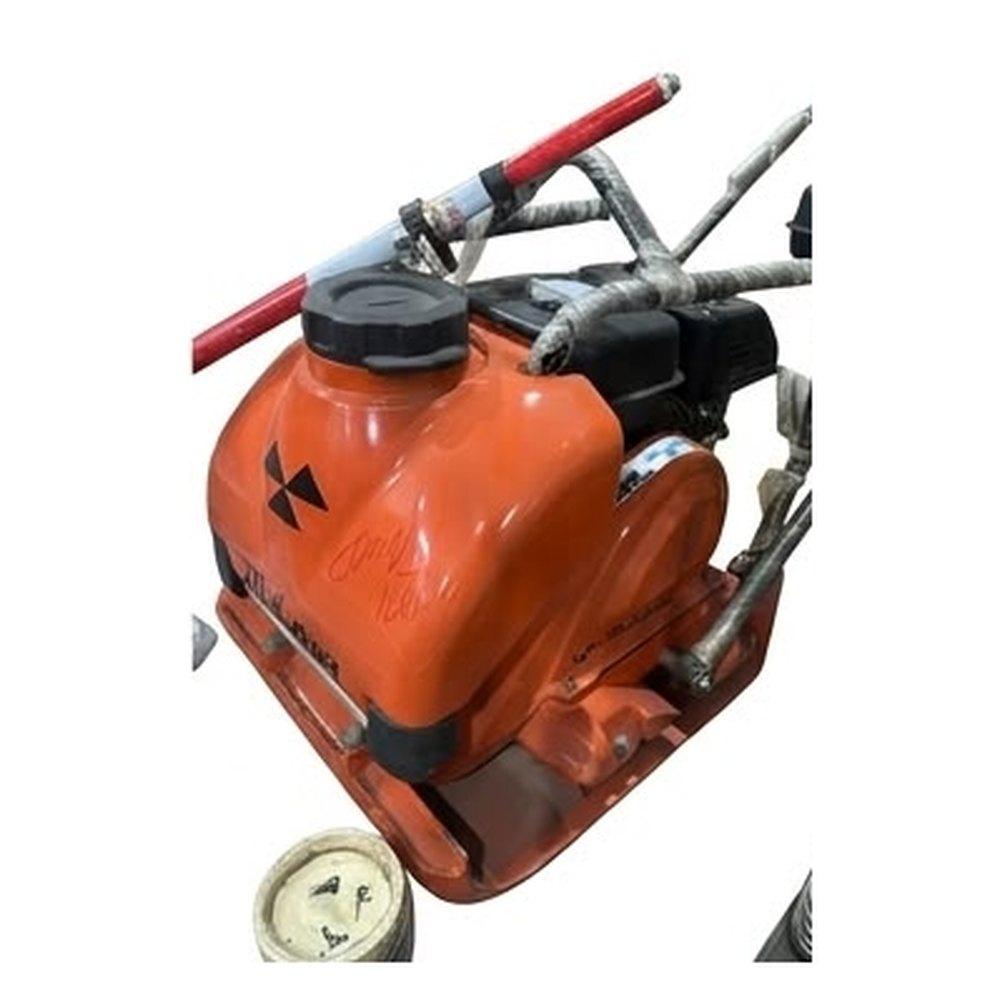
| Light plate compactor | 60 to 80 kg | Sand, paver bedding, crush | 100 to 150 mm | 49,000 to 90,000 |
| Mid and branded plate | 90 to 120 kg | Sub-base, driveways, footpaths | 200 to 250 mm | 90,000 to 350,000 |
| Reversible plate | 150 to 300 kg | Trench and foundation backfill, granular | 300 to 400 mm | 350,000 to 900,000 |
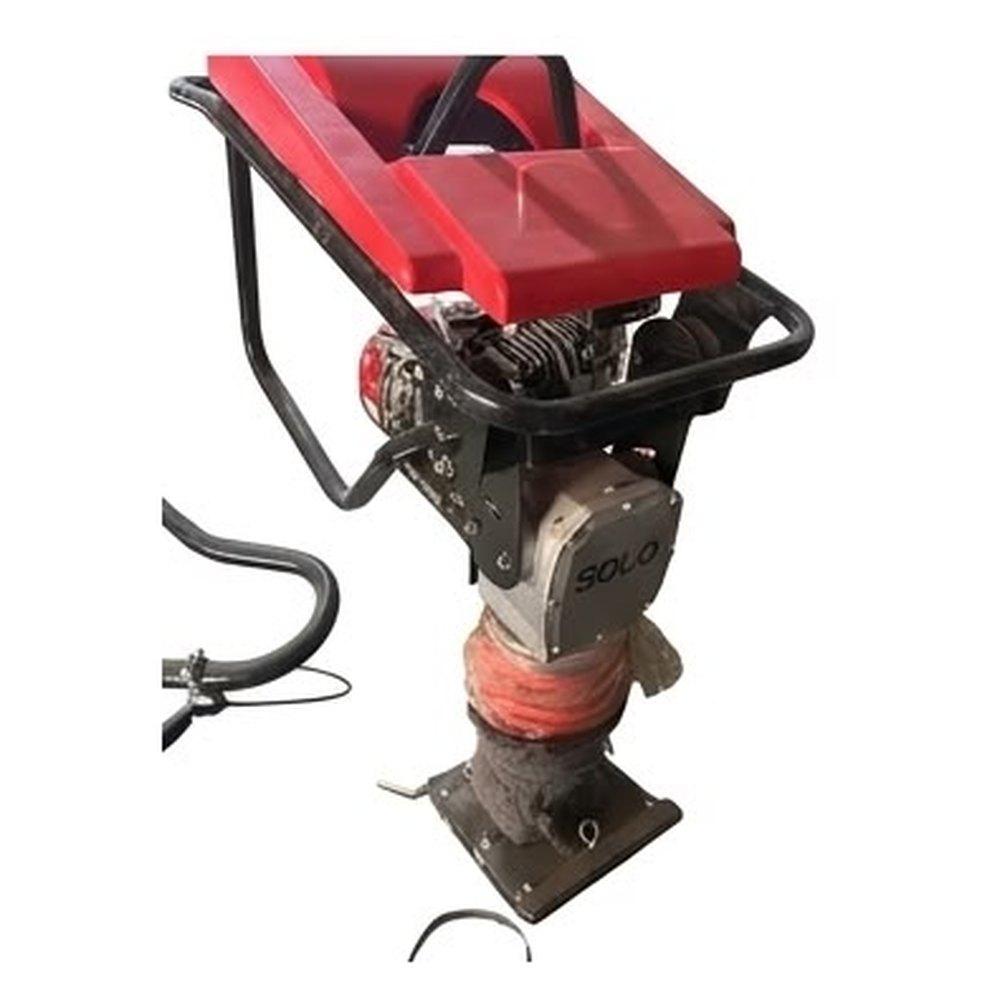
| Tamping rammer | 60 to 80 kg | Clay, silt, trenches, confined spaces | 150 to 300 mm | 70,000 to 250,000 |
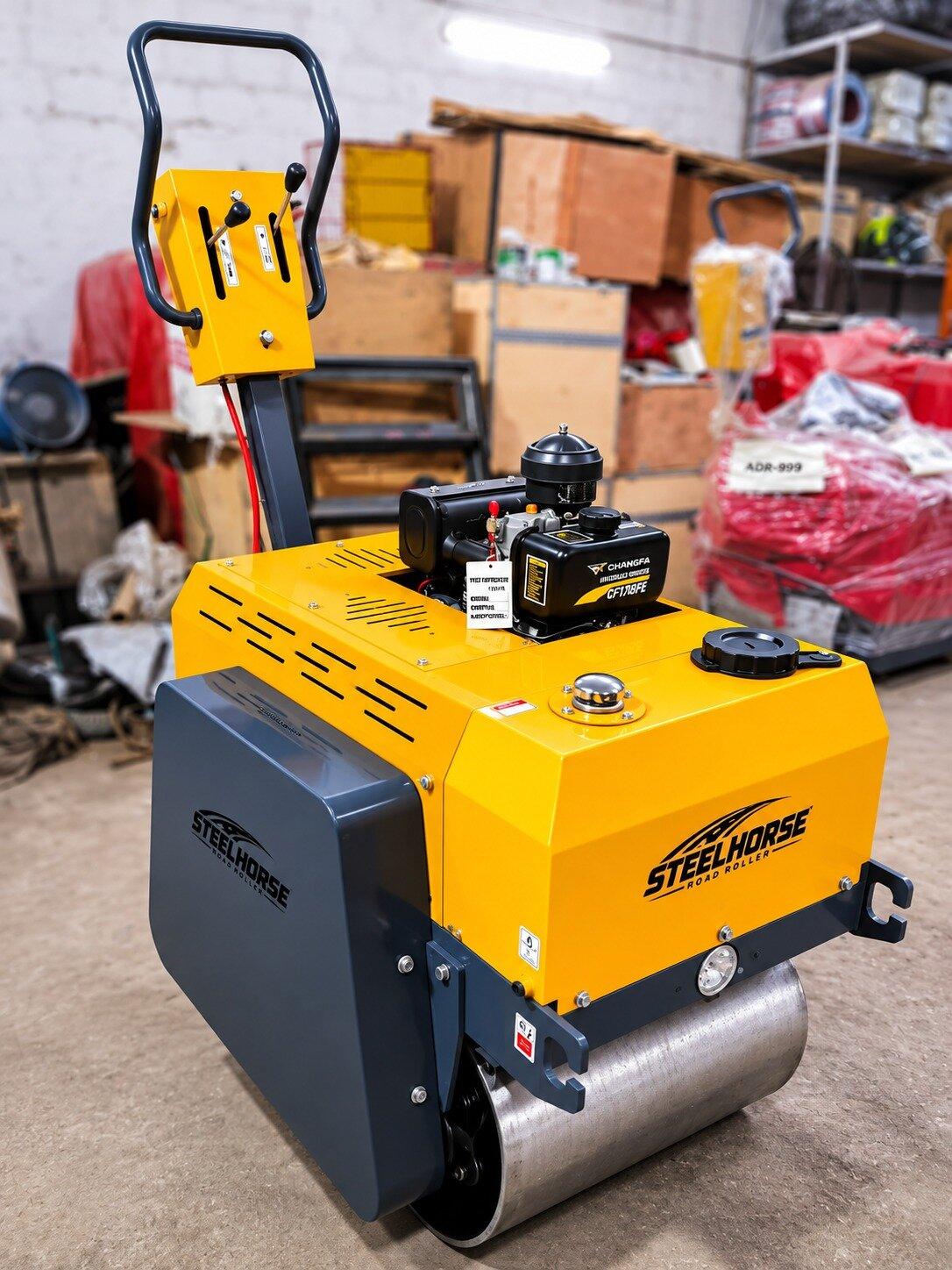
| Walk behind double drum roller | 500 to 1,000 kg | Granular base and asphalt, narrow areas | 150 to 250 mm | 675,000 to 1,900,000 |
| Ride on tandem roller | 1 to 4 ton | Society roads, car parks, asphalt | 200 to 300 mm | 1,800,000 to 3,200,000 |
| Single drum soil roller | 10 to 12 ton | Embankments, highway sub-base | 300 to 500 mm | 6,000,000 to 11,000,000 |
These are 2026 market ranges for new machines. Confirm today's price on WhatsApp, rates move with the exchange rate. Used machines sell for 40 to 60 percent of new on OLX; check the vibrator bearings and engine compression before you pay.
Which soil compactor is best for which soil?
The best soil compactor is the one that matches the material. Soils fall into two groups, and each group responds to a different kind of energy.
Granular material: sand, gravel, crushed stone, base course. The particles do not stick together. Vibration shakes them into a denser arrangement. Plate compactors and vibratory rollers are built for this.
Cohesive material: clay, silt, mixed fill with fines. The particles stick together and vibration barely moves them. They need impact and kneading, which is what a tamping rammer's foot or a padfoot roller's drum delivers.
Much of the Potohar plateau around Rawalpindi and Islamabad is silty clay. Housing society trenches in Bahria, DHA and the new sectors of Islamabad are often backfilled with the dug material itself, which is cohesive. That is rammer work. The crushed stone sub-base above it is plate or roller work. A plate compactor running over clay looks busy and achieves almost nothing. We see this mistake every month.
What is a jumping jack compactor used for?
A jumping jack compactor, also called a tamping rammer or simply a jumper, is used for compacting cohesive soil in confined spaces: narrow trenches for sewer, water and gas lines, around manholes, and against foundation and retaining walls. The engine drives a spring loaded foot up and down at around 600 to 700 blows a minute. The machine leaps slightly forward with each blow.
It is the right machine whenever the space is narrower than a plate, or the soil is clay. It is slow on an open area. Our guide to tamping rammer price in Pakistan covers the models, two stroke against four stroke, and layer thickness in trenches.
Plate compactor: the general purpose machine
A plate compactor vibrates a flat steel plate and is the most widely owned compactor in Pakistan. Forward plates of 60 to 120 kg handle paver bedding, footpaths, driveways and patch repairs. Reversible plates of 150 kg and above reach deeper and work in trenches wide enough to fit them.
Value or branded is a question of hours. A contractor who runs a plate a few days a month does well with a value unit at under PKR 100,000. One who runs it every day, through May and June heat and monsoon mud, wears out the open vibrator bearings of a value plate within a season, while a sealed Mikasa or Dynapac vibrator runs for years. Over five years of daily work the branded plate is the cheaper machine, and it holds its resale value on the used market far better.
For anyone choosing a plate, the detailed price bands, forward against reversible, petrol against diesel and the spares to hold are in our guide to plate compactor price in Pakistan.
Walk behind roller or ride on roller?
When the area grows beyond a few hundred square metres, a plate takes all day. A roller covers ground several times faster and reaches deeper.
- Walk behind double drum roller, 500 to 1,000 kg: footpaths, car parks, trench reinstatement, the edges of a road where the big machine stops. It is the step up from a plate and the most useful roller for a small contractor.
- Ride on tandem roller, 1 to 4 ton: housing society streets and asphalt overlays.
- Single drum soil roller, 10 ton and up: embankments and highway sub-base on NHA and provincial road packages.
The full price list by tonnage is in road roller price in Pakistan.
A rough sizing rule: under 300 square metres, a plate; 300 to 3,000 square metres, a walk behind roller with a plate for the edges; above that, a ride on.
Checking compaction: Proctor, field density and the ball test
Compaction is specified as a percentage of the maximum dry density found in the lab by the Proctor test, ASTM D698 standard or ASTM D1557 modified (AASHTO T99 and T180). Consultants on CDA, WAPDA and NHA work typically require 95 percent of maximum dry density or more, checked in the field by sand cone to ASTM D1556 or a nuclear gauge to ASTM D6938.
Moisture matters as much as the machine. Too dry and the soil will not compact; too wet and it pumps under the plate. After monsoon rain, wet fill is the most common reason a society road fails its density test. The field check we teach: squeeze a handful of fill. If it holds a ball that cracks when you press it with a thumb, it is near optimum moisture. If it crumbles, add water. If it smears and leaves your palm wet, wait or dry it. No compactor fixes fill that is too wet.
Our guides to the Proctor test and field density test methods cover the lab and field side.
What we supply
All compaction equipment is under small machinery.
- Petrol plate compactor, Mikasa plate compactor and Dynapac CM13: value and branded plates.
- Tamping rammer and Mikasa MTR-40H tamping rammer: for clay and trenches.
- Mikasa walk behind roller, walk behind vibratory roller 750 kg and Steel Horse SH-600: the step up from a plate.
We service what we sell on our own bench in Rawalpindi and hold vibrator, clutch and engine spares.
Ask for today's price
Tell us the material, the layer depth, the area and how many days a month the machine will run. We will recommend the right class honestly and quote today's price. Send us a WhatsApp, with delivery across Pakistan in two to three days.
What we supply
Equipment covered in this guide
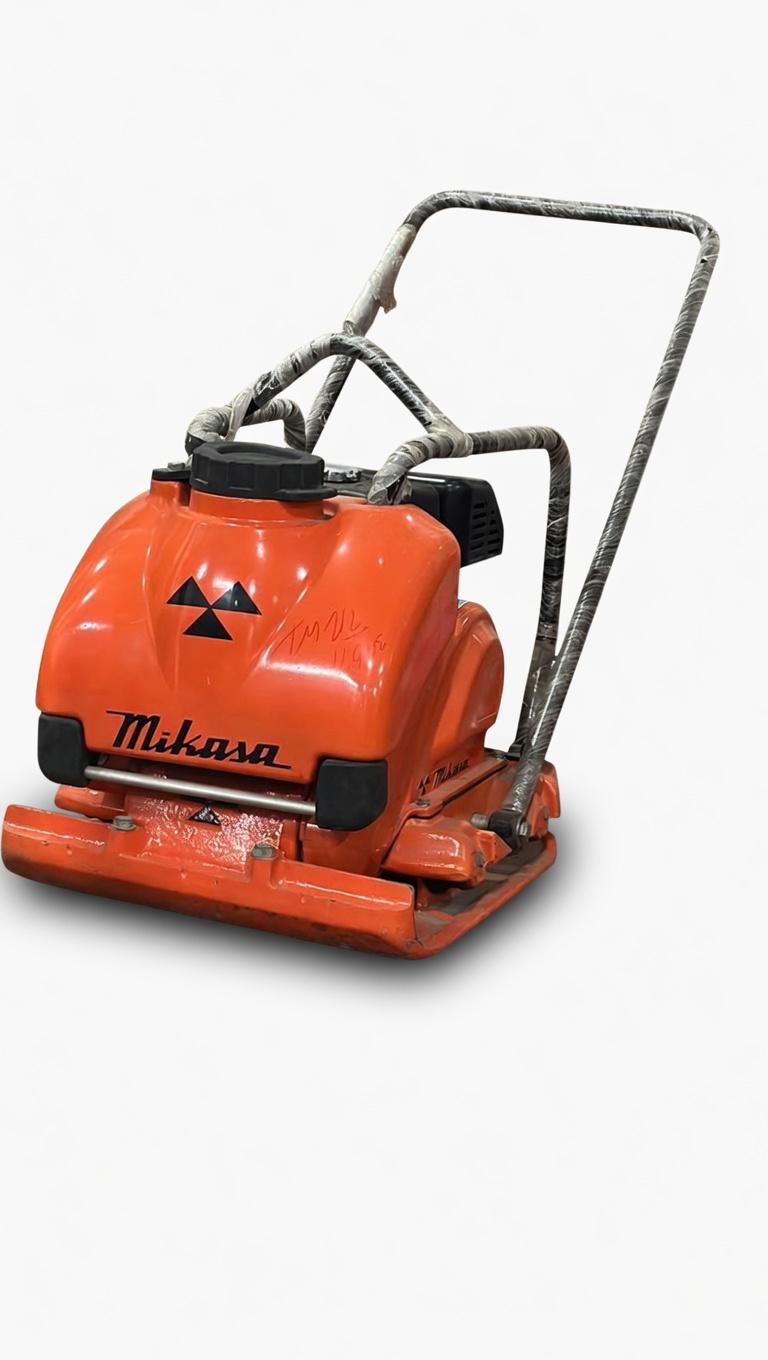 Mikasa
 Plate Compactor
Forward plate compactor with a water tank for asphalt work. Japanese build, and the one crews ask for by name.
Petrol Plate Compactor
Reversible petrol plate for backfill, trenches and sub base. Water tank fitted, wheels included.
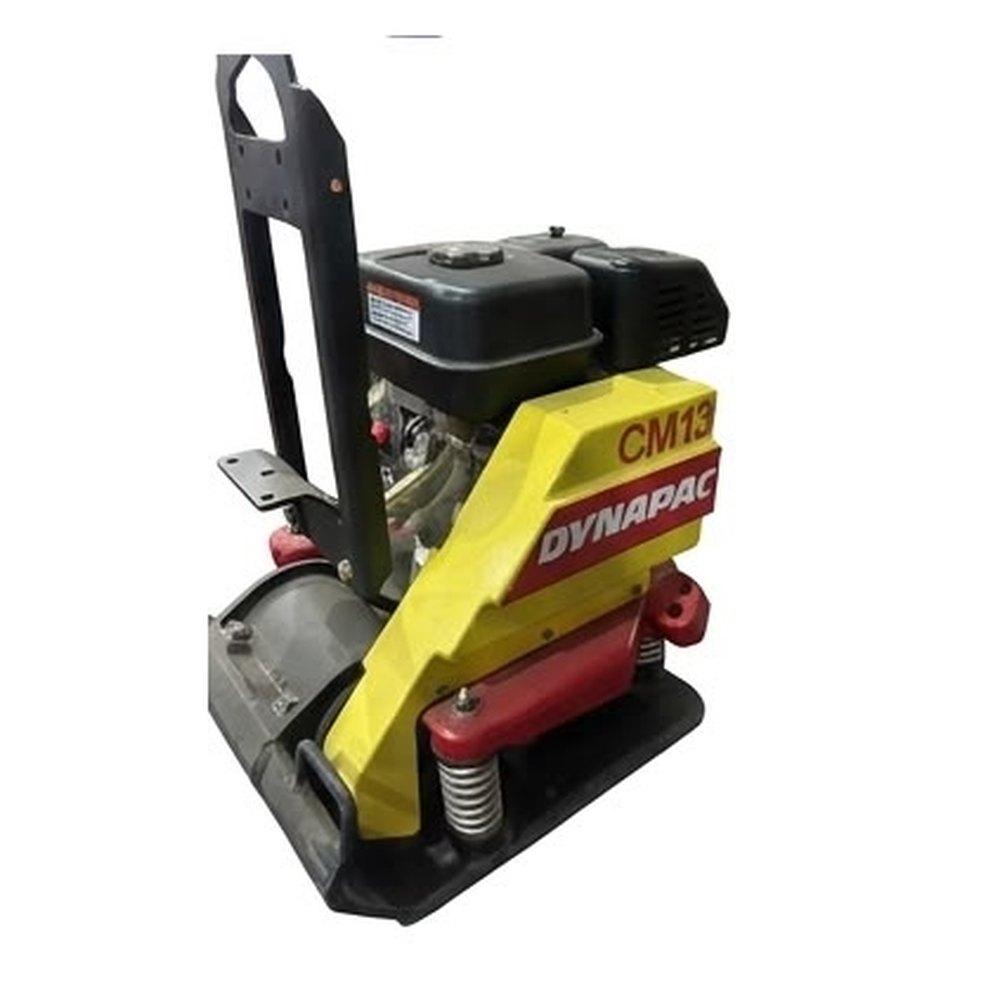 DynapacCM13
Dynapac CM13 Plate Compactor
Sprung handle, high centrifugal force and a plate that tracks straight. Compaction plant from a compaction manufacturer.
FAQ
Questions buyers ask us
What is the price of a compactor machine in Pakistan?
In 2026 a plate compactor costs about PKR 49,000 to 350,000, a tamping rammer PKR 70,000 to 250,000, a walk behind double drum roller PKR 675,000 to 1,900,000 and a ride on roller from about PKR 1,800,000 upwards. These are market ranges; confirm today's price on WhatsApp, rates move with the exchange rate.
Which soil compactor is best?
It depends on the soil. For sand, gravel and crushed stone a vibrating plate or roller is best. For clay and silty fill, a tamping rammer's impact works far better. Over areas larger than about 500 square metres a roller beats both on speed. Most contractors own a plate and a rammer.
What is a jumping jack compactor used for?
A jumping jack, or tamping rammer, compacts cohesive soil in narrow trenches, around pipes and manholes and against foundation walls. Its foot hits the ground about 600 to 700 times a minute. A plate compactor cannot fit in a 400 mm trench and does little on clay, so the rammer does that work.
How much do plate compactors cost?
A light 60 to 80 kg value plate costs about PKR 49,000 to 90,000, a 90 to 120 kg mid range plate PKR 90,000 to 180,000, and a branded Mikasa or Dynapac plate PKR 180,000 to 350,000. Reversible plates of 150 kg and over cost PKR 350,000 to 900,000 in 2026.
How thick a layer can a plate compactor compact?
A 60 to 80 kg plate compacts about 100 to 150 mm of granular material per layer, and a 90 to 120 kg plate about 200 to 250 mm. Reversible plates over 150 kg reach 300 to 400 mm. If the layer is thicker, place it in two lifts rather than adding passes.