
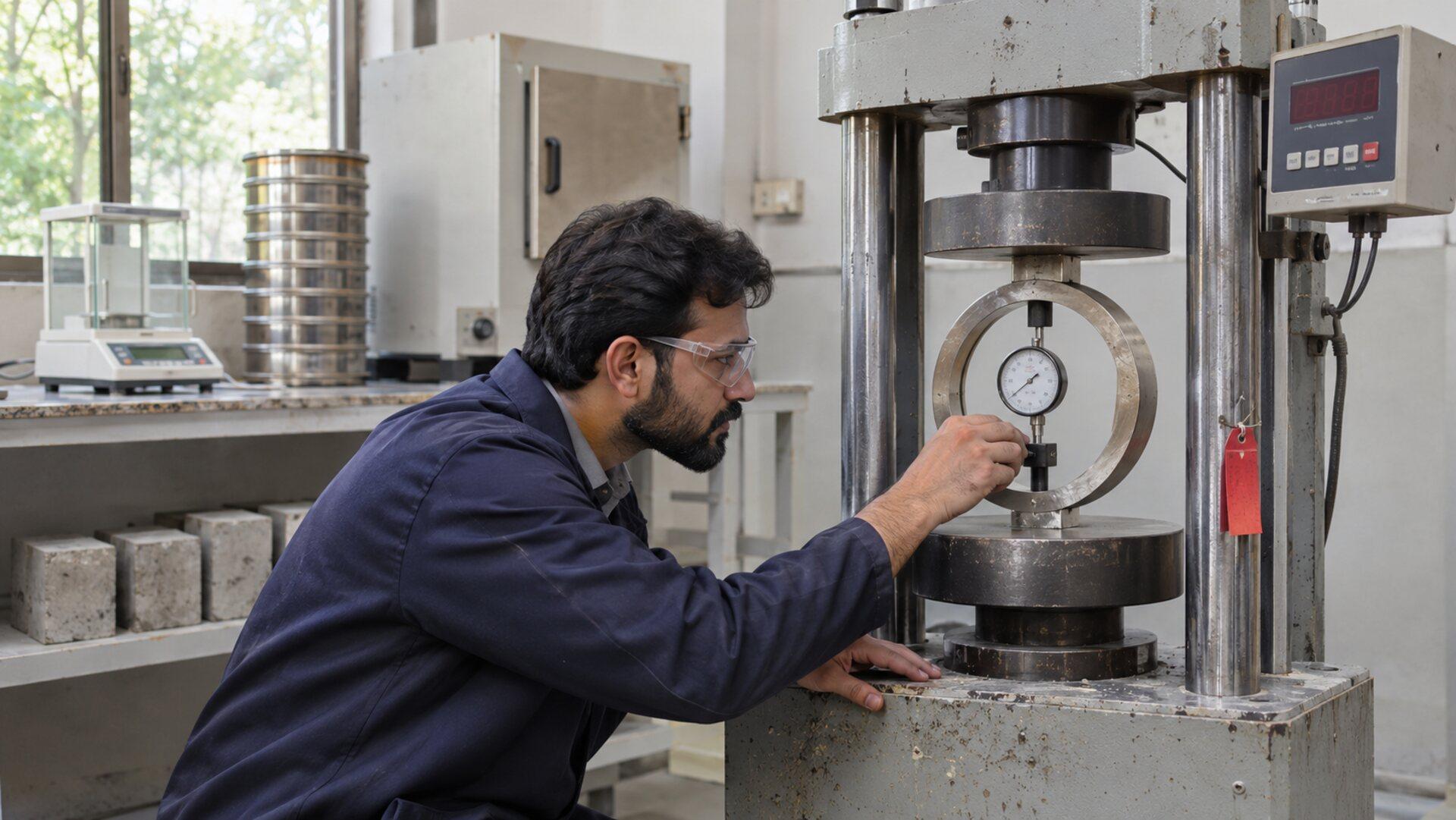
Civil lab equipment calibration is the check that a lab's machines read what they should: a compression machine within about 1 percent of the true load, a balance to its stated resolution, an oven holding 105 to 110 °C, and sieves with apertures inside tolerance. We calibrate the equipment a materials lab runs on, on site or on our Rawalpindi bench, and issue a certificate for each item.
Why lab equipment calibration matters
A cube result is only as good as the machine that crushed it. If a compression machine reads 5 percent high, every cube on the register passes by 5 percent more than it should, and nobody finds out until a core from the structure disagrees. Consultants know this, which is why NHA, NESPAK, CDA and housing society projects ask to see a current calibration certificate for the site lab before they accept its results.
The cheapest check in any lab: weigh a known mass on every balance on Monday morning. A 1 kg or 5 kg reference mass costs little and catches a drifting balance weeks before the next calibration.
What we calibrate
| Equipment | What is checked | Typical standard named |
|---|---|---|
| Compression testing machine | Load reading against a reference load cell or proving ring | BS EN 12390-4, ASTM E4 |
| Proving rings and load cells | Load against deflection or reading | ASTM E4 |
| CBR and Marshall machines | Load ring, penetration and flow gauges | ASTM D1883, ASTM D6927 |
| Balances and scales | Reading against reference masses across the range | Maker's specification |
| Drying ovens | Temperature at several points in the chamber | 105 to 110 °C for soils |
| Test sieves | Aperture size and frame condition | ASTM E11, BS 410 |
| Moulds, cones and rammers | Dimensions, mass and drop height | ASTM C143, D698, D1557 |
| Dial gauges and calipers | Reading against a reference | Maker's specification |
Tell us which standard your project specification names when you book, so the checks and the certificate follow it.
On site or on our bench?
Heavy machines are calibrated where they stand. A 2,000 kN compression machine is bolted down and set level, and moving it would undo half of what the calibration proves, so we come to the lab with the reference equipment. Site labs on road and housing projects around Rawalpindi, Islamabad and further afield are the usual case.
Smaller items come to the bench in Rawalpindi: balances, gauges, sieves, moulds, rammers and proving rings. Bring them in together and they are checked as one job.
What goes wrong in Pakistani labs
Most of the faults we find come from the conditions, not the machines:
- Hydraulic oil leaks and air in the system, which make the load creep and the gauge needle hunt. Summer heat thins the oil.
- Load gauges knocked off zero, or analogue dials with a bent needle.
- Balances set on a bench that moves, or next to an open door in a dust storm.
- Ovens with failed thermostats that sit 20 °C above the set point, which over dries clay and changes moisture results.
- Sieves with stretched or torn mesh that nobody has held up to the light.
- Load shedding and voltage swings that damage digital indicators.
We adjust where the equipment allows it, repair where we can, and tell you plainly when an item should be replaced.
How the calibration visit works
- Send us your equipment list on WhatsApp: the machine, its capacity, and where the lab is.
- We confirm the visit and which items come to the bench instead.
- On the day, the lab should be clean, powered, and each machine free to run through its range.
- We test each item, adjust where possible, and record the readings before and after.
- You receive a certificate per item, ready to file for the consultant.
Your calibration certificate
Each certificate records the equipment, its serial number or lab reference, the reference used, the readings before and after adjustment, the date and the next due date. If your consultant names a particular accreditation for the calibrating body, tell us when you book so we can confirm before the visit what the certificate will show.
Buying new equipment at the same time? Our compression testing machine price guide and the civil lab equipment list cover what a site lab needs, and every machine we sell is supplied checked. Surveying instruments have their own bench: see total station repair and calibration.
Book a calibration
Message us your equipment list on WhatsApp, or send an enquiry, and we will come back with a date and what we need from your lab on the day.
Supplied and serviced
Equipment we work on
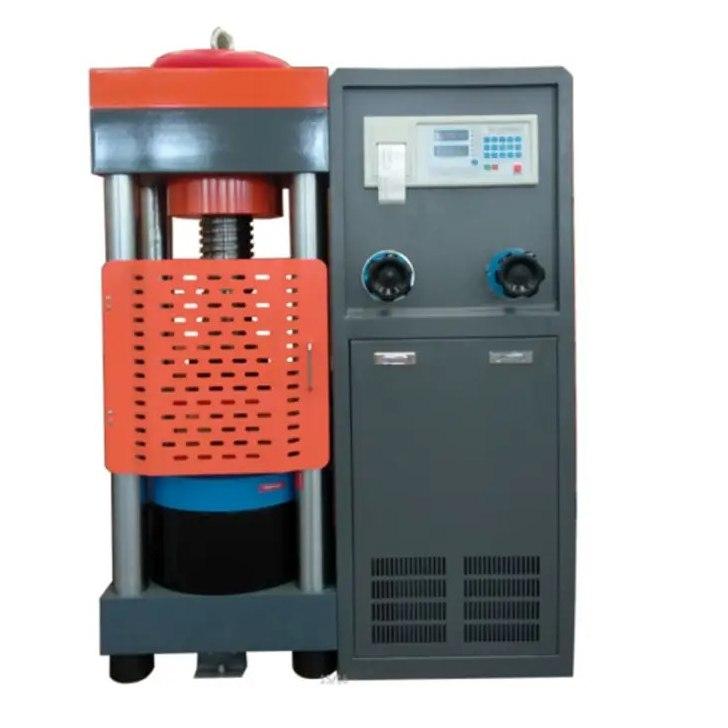
Concrete Compression Testing Machine
The machine every cube result on a project comes off. Supplied with the platens, the cage and a calibration certificate.
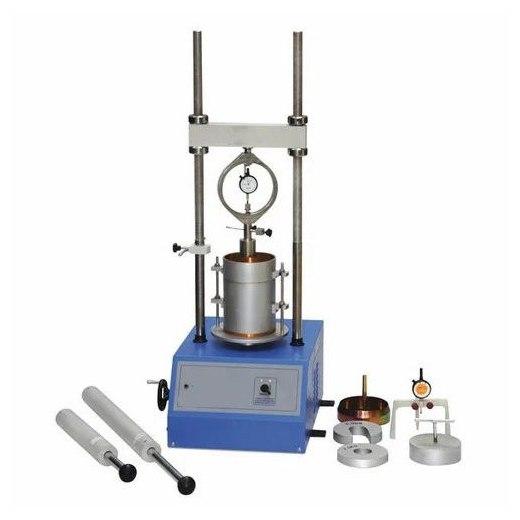
CBR Testing Machine
California Bearing Ratio rigs with moulds, surcharge weights and penetration piston, for subgrade and sub base design.
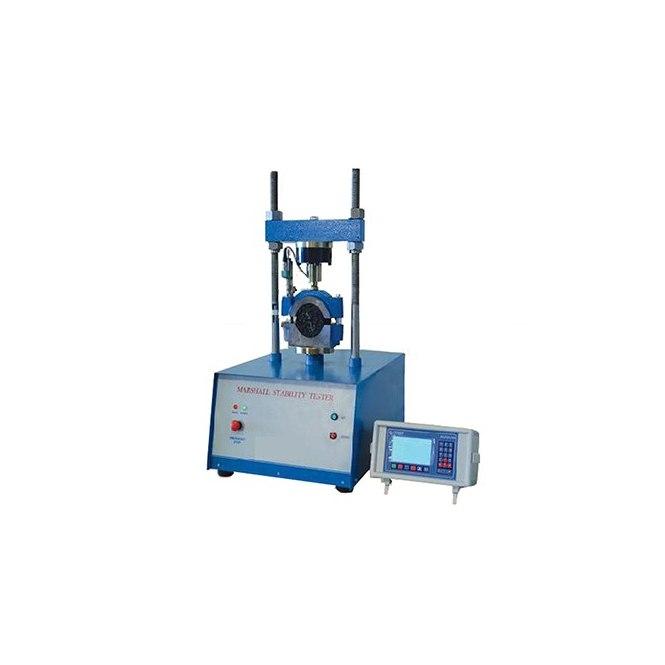
Marshall Testing Machine
Stability and flow on asphalt specimens, with the breaking head, compaction pedestal and hammer.
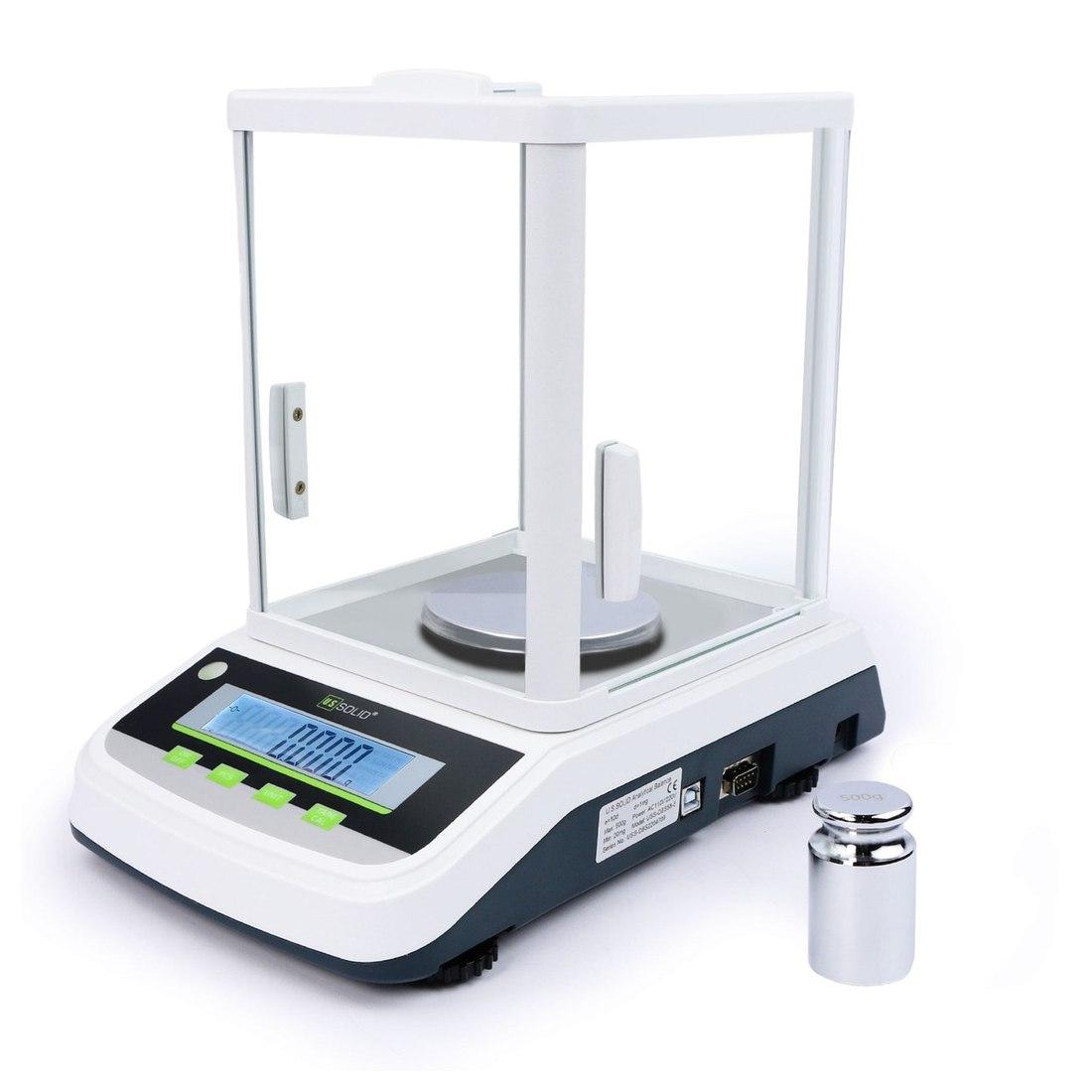
Laboratory Digital Balance
Precision and bench balances across the ranges a materials laboratory needs, calibration certificate included.
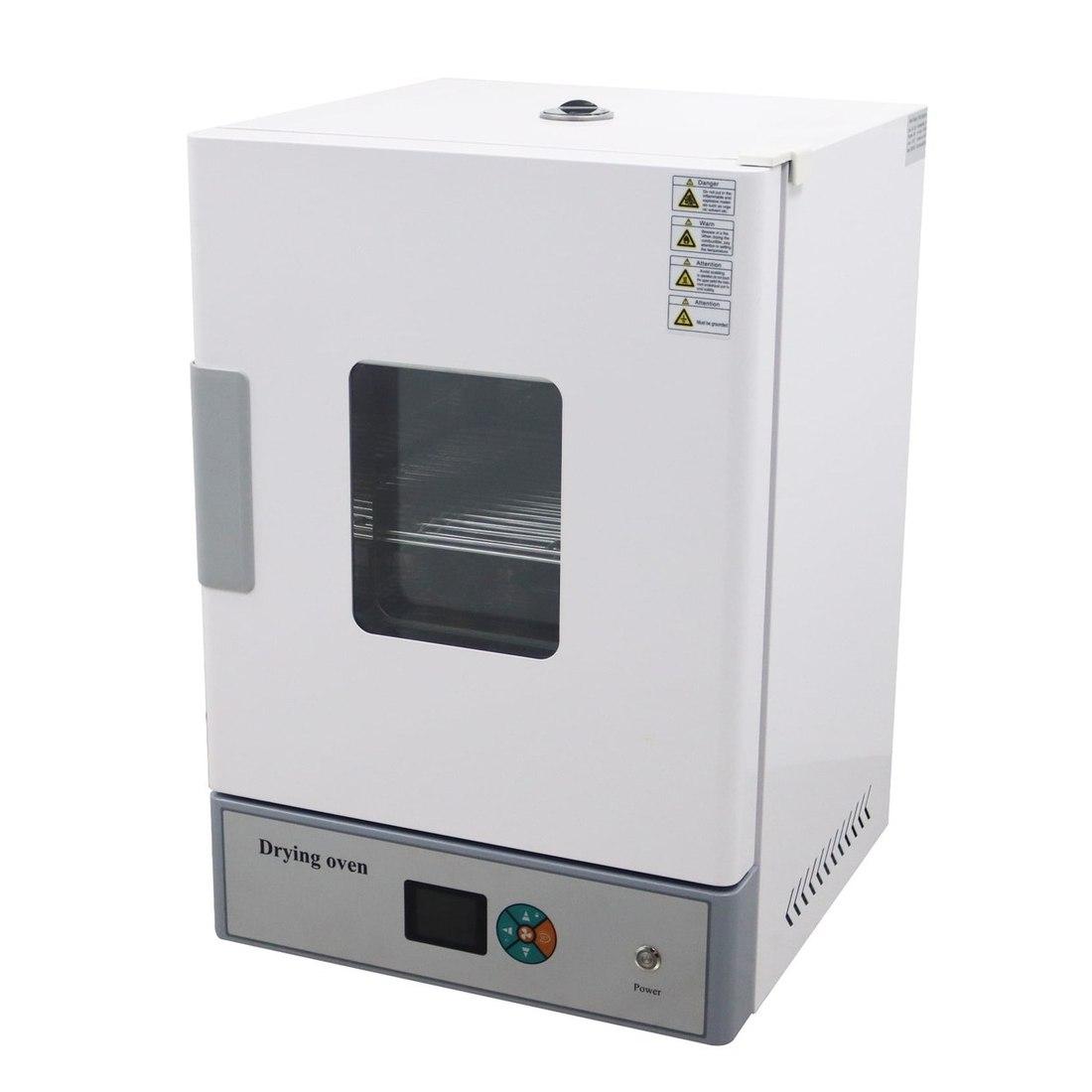
Hot Air Drying Oven
Forced convection ovens for moisture content and sample preparation, in the standard laboratory capacities.
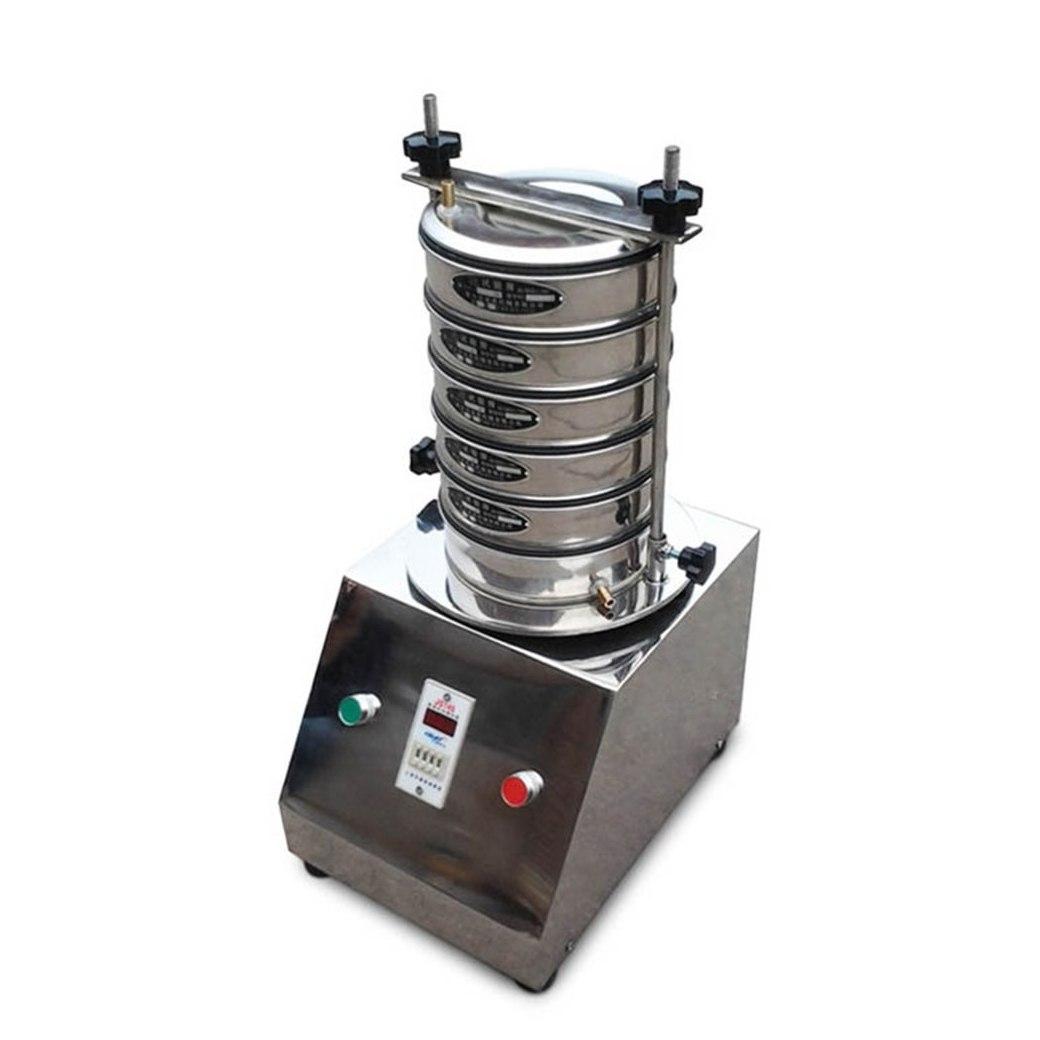
Sieves & Shaker
Test sieves in brass and stainless with a mechanical shaker, for particle size distribution on aggregate and soil.
FAQ
Questions we are asked at the bench
How often should lab equipment be calibrated?
Once every 12 months is the usual requirement for compression machines, balances and ovens, and after any move, repair or overload. Many consultants will not accept results from a machine whose certificate is more than 12 months old.
Can you calibrate a compression testing machine on site?
Yes, and that is the right way to do it. A 2,000 kN machine should be calibrated where it stands, because moving it disturbs the setting. We bring the reference equipment to your lab and check the load across its working range.
What accuracy should a compression machine have?
Most concrete testing standards expect the machine to read within about 1 percent of the true load across its working range. Check your project specification, which will name BS EN 12390-4 or ASTM C39 and E4, and tell us when you book.
Do you calibrate balances and ovens?
Yes. Balances are checked against reference masses across their range, and ovens are checked for temperature at several points in the chamber. A soils oven should hold 105 to 110 °C. Small items can come to our Rawalpindi bench together.
Do I get a certificate for each item?
Yes, 1 certificate per item, recording the serial number or lab reference, the reference used, readings before and after adjustment, the date and the next due date. If your consultant names an accreditation, tell us when you book.
Do you only calibrate equipment you sold?
No. We calibrate civil lab equipment whoever supplied it. Send the make, model and capacity of each item on WhatsApp first, and we will confirm which of them we can take on before booking the visit.