Field density test methods measure how dense a compacted soil layer is in place. Pakistan uses three: sand replacement or sand cone, core cutter for soft clays, and the nuclear density gauge for high volumes. Equipment runs from about PKR 10,000 for a core cutter to PKR 3,500,000 or more for a nuclear gauge.
Every method answers the same question, and every method is checked against the same laboratory reference: the maximum dry density from a Proctor test. What changes is speed, the soils each one can handle, and how much paperwork comes with it. This guide sets out when to use which, and what the consultant is likely to accept.
What are the field density test methods?
All field density tests need two things from the compacted layer: its wet density and its moisture content. Dry density follows from those, and the degree of compaction from dry density divided by MDD.
The methods differ in how they measure volume:
- Sand replacement, or sand cone. Dig a hole, fill it with sand of known bulk density, and back-calculate the volume from the mass of sand poured.
- Core cutter. Drive a steel cylinder of known volume into the soil and weigh what comes out.
- Nuclear density gauge. Send gamma radiation through the soil and count what arrives at a detector. Density and moisture are read directly.
Two less common methods also appear in specifications: the rubber balloon method, which measures the hole volume with water in a membrane, and water replacement for rockfill with very large stones. Both are rare on Pakistani sites.
Sand replacement method
The sand replacement method is the default FDT across Pakistan because it works on almost every material a road or platform uses, from silty sand to crushed stone base. The full step by step procedure is in our guide to the FDT test.
There are two patterns of equipment, and consultants usually name one:
- Sand cone, ASTM D1556 and AASHTO T191. A 165 mm cone on a jar, poured through a base plate. Common on NHA and donor-funded road projects where the specification is ASTM or AASHTO based.
- Sand pouring cylinder, BS 1377-9. A cylinder with a shutter, poured into a hole of about 100 mm diameter for fine and medium grained soils, or about 200 mm for coarse granular material. Common on older WAPDA, irrigation and provincial work.
Both rely on calibrated, dry, uniform sand. Both take about 30 to 45 minutes per test once the technician is practised, plus moisture time.
Limits: slow, sensitive to vibration from nearby plant, and sensitive to damp sand. Large stones in base course make a clean hole difficult.
Core cutter method
The core cutter method (BS 1377-9, and ASTM D2937 for the drive cylinder) uses a hardened steel cylinder, typically about 100 mm internal diameter and 130 mm long, giving a volume of roughly 1,000 cm3. A dolly sits on top and a rammer drives it into the layer.
Procedure in short:
- Level the surface, place the cutter with the dolly, and ram it in until the top is about 15 mm below the surface.
- Dig it out, trim both ends flat with a straightedge, and weigh it.
- Subtract the empty cutter mass and divide by the cutter volume. That is bulk density.
- Take a moisture sample from the core and calculate dry density.
It is fast, 15 minutes or less, and the equipment is cheap. But it only works in soft to firm cohesive soil that holds together in the cutter and has no gravel. In sand the core falls out. In gravel the cutting edge chips and the volume becomes meaningless. In stiff dry clay, ramming the cutter compresses the sample and overstates density.
Use it for clay embankments, canal banks, earth dams under supervision and clayey backfill in housing societies. Do not use it on subbase or base.
Nuclear density gauge method
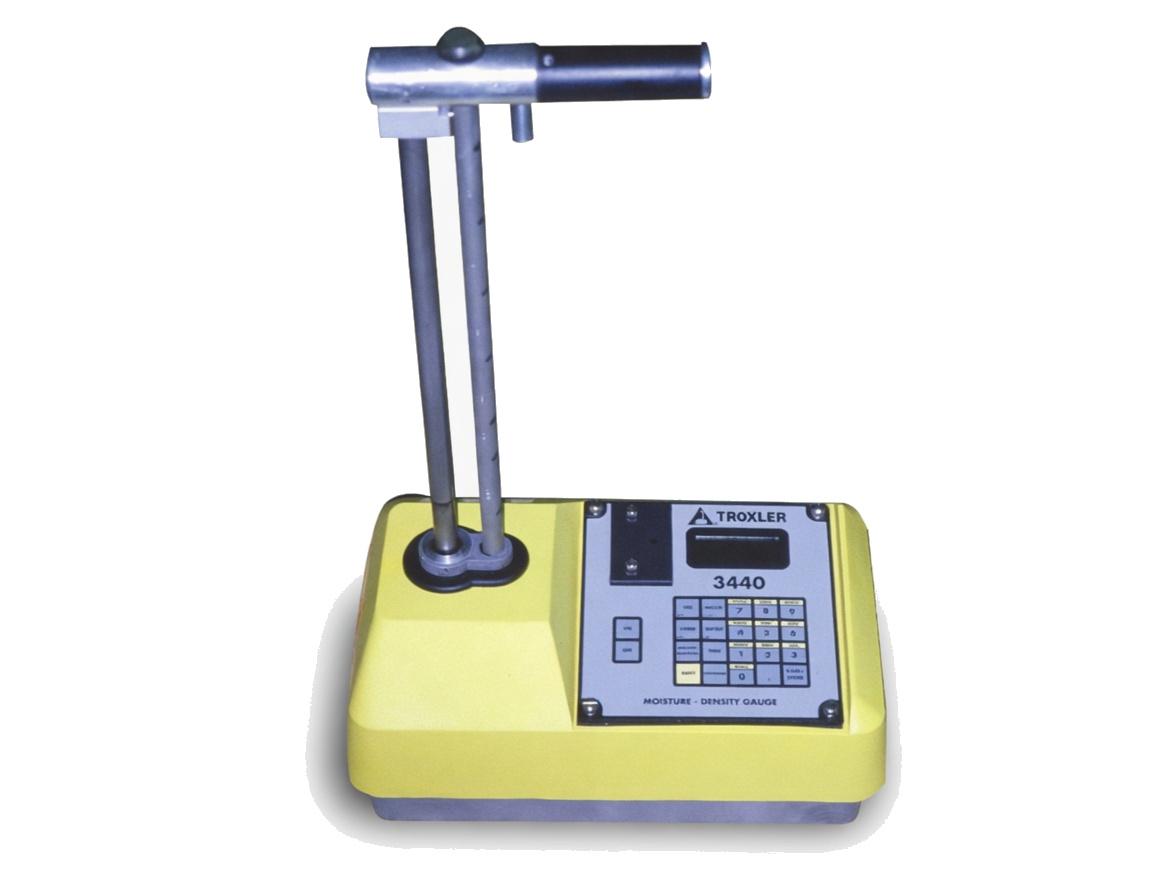
The nuclear moisture density gauge (ASTM D6938) puts a small gamma source into the soil on a rod, typically up to 200 or 300 mm deep in direct transmission mode, and reads density and moisture in one to four minutes without digging a full hole. A neutron source measures moisture from the hydrogen in the soil.
On a motorway or a large housing scheme where the consultant wants dozens of tests per layer, it is the only practical way to keep up with the rollers. The Troxler gauge is the reference instrument most consultants recognise.
It has real constraints in Pakistan:
- Licensing. The gauge needs Pakistan Nuclear Regulatory Authority authorisation, a trained operator with a personal dosimeter, a locked store and controlled transport.
- Calibration offset. The gauge must be checked against sand cone results on the same material, and an offset applied. Soils with gypsum, mica or organic matter read moisture wrong.
- Cost. About PKR 3,500,000 to 6,000,000 in the 2026 market, plus licensing and periodic source checks. Confirm today's price on WhatsApp, rates move with the exchange rate.
Which field density test method should you use?
| Method | Standard | Best soil | Time per test | Indicative equipment cost (PKR) | Main limitation |
|---|---|---|---|---|---|
| Sand cone | ASTM D1556, AASHTO T191 | Almost all, up to about 38 mm stone | 30 to 45 min | 25,000 to 60,000 | Slow, damp sand errors |
| Sand pouring cylinder | BS 1377-9 | Fine to coarse, two cylinder sizes | 30 to 45 min | 25,000 to 60,000 | Same as sand cone |
| Core cutter | BS 1377-9, ASTM D2937 | Soft cohesive soil, no gravel | 10 to 15 min | 10,000 to 25,000 | Useless in sand and gravel |
| Nuclear gauge | ASTM D6938 | Most soils and granular base | 1 to 4 min | 3,500,000 to 6,000,000 | Licensing, offset checks |
Prices are 2026 market ranges in Pakistan. All methods also need a moisture result: oven drying at 110 degrees Celsius is the reference, and a speedy moisture tester gives a site answer in minutes.
The rule we give contractors: buy the sand replacement set first, always, even if you plan a nuclear gauge. The gauge has to be correlated against sand cone results on every new material, and when its reading is disputed, the consultant will ask for a sand cone in the same spot. A lab that owns only a gauge cannot settle its own arguments.
How many field density tests per 1000 m2?
Most specifications ask for roughly one test per 500 to 1,000 square metres of each compacted layer, with at least two or three tests per day's work on each layer. On roads this is often written as a test every 100 to 200 metres of carriageway, staggered between left, centre and right.
The exact frequency is set by the project specification and the consultant, not by the test standard. On NHA, NESPAK and provincial highway jobs, read the particular specification for the layer. On private and housing society work, agree the frequency in writing before the first layer goes down. More tests are always asked for near culverts, bridge approaches and trench backfill, where hand-operated compaction plant is used and failures are most likely.
At one test per 500 m2, a 7.3 metre carriageway needs about three tests per 200 metres per layer. With four layers, that is a sand cone technician fully occupied for a day on every kilometre, which is the point at which contractors start to look at a second set or a gauge.
What we supply
We supply field density and compaction control equipment from our Rawalpindi store:
- FDT test set apparatus, sand cone and sand replacement patterns
- Troxler moisture density gauge for high volume road testing, subject to PNRA licensing
- Speedy moisture tester and hot air drying oven for moisture content
- Laboratory digital balance for field weighing
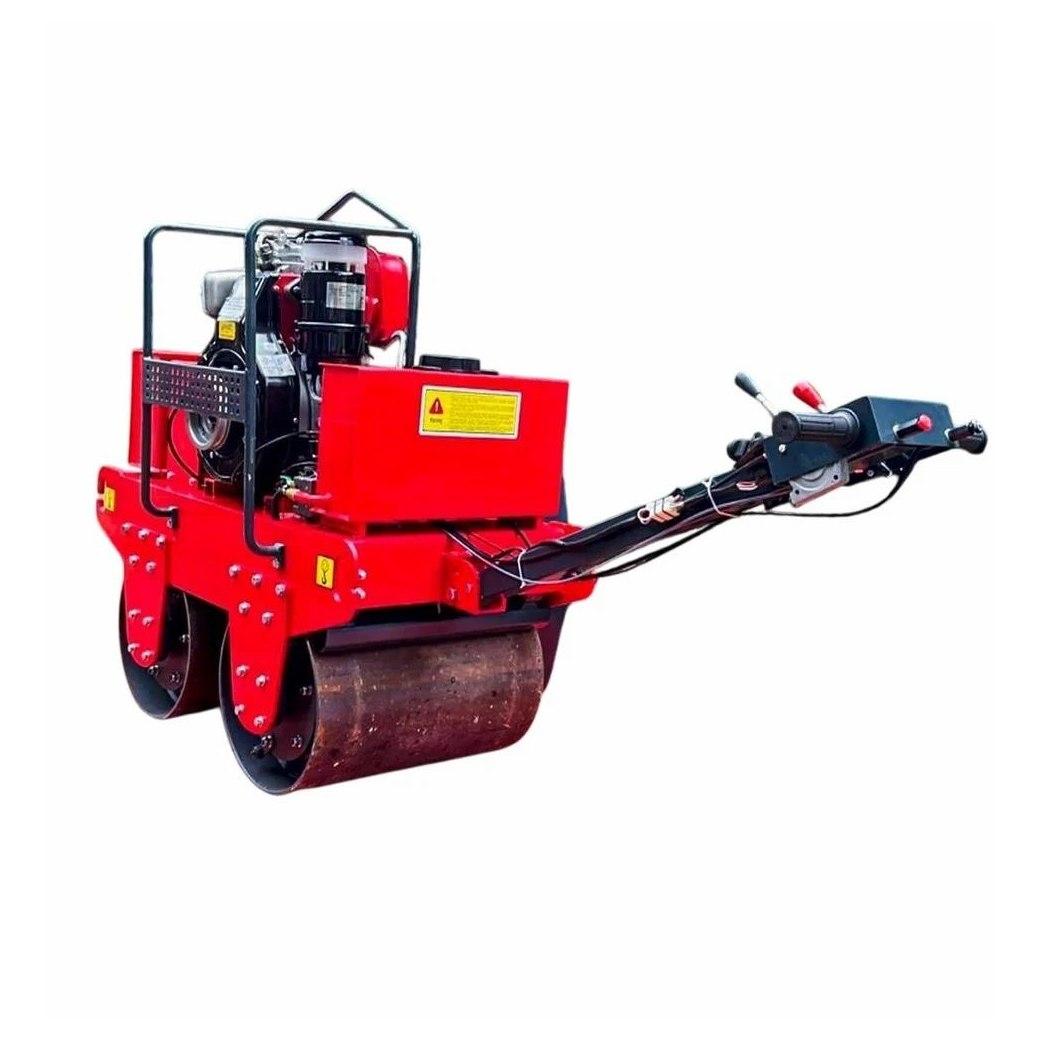
- Compaction plant such as the 750 kg walk behind vibratory roller for trench and approach work
See the complete civil engineering lab equipment range and our civil lab equipment list for the wider lab.
Ask for today's price
Tell us the materials you are testing, how many tests a week the consultant wants, and whether the specification names ASTM or BS. We will recommend the method and the kit to match. Send us a WhatsApp for today's price.
What we supply
Equipment covered in this guide
 750 kg class
Walk Behind Vibratory Roller, 750 kg
Seven hundred and fifty kilograms of walk behind roller, the size above a plate and below a ride on.
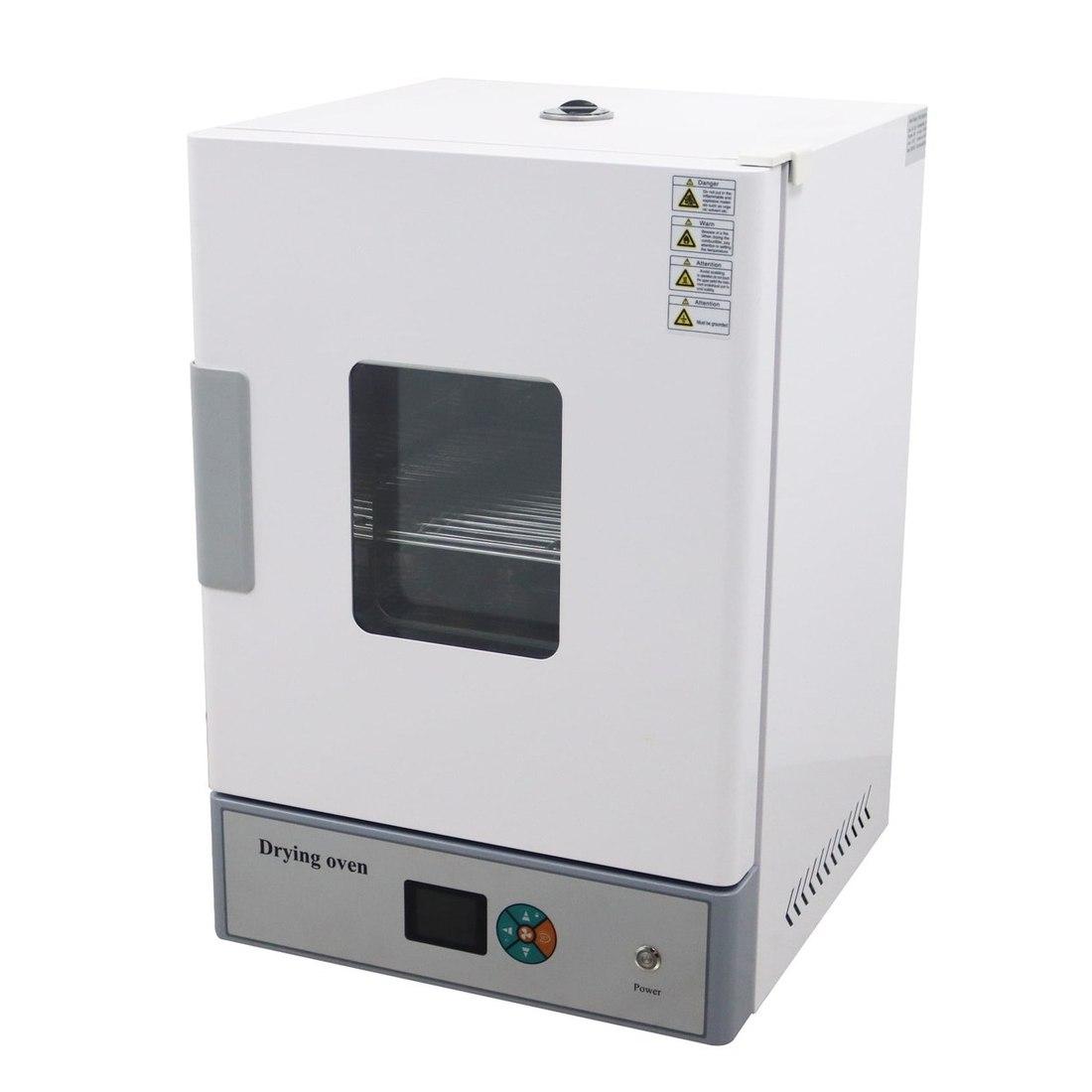
Hot Air Drying Oven
Forced convection ovens for moisture content and sample preparation, in the standard laboratory capacities.
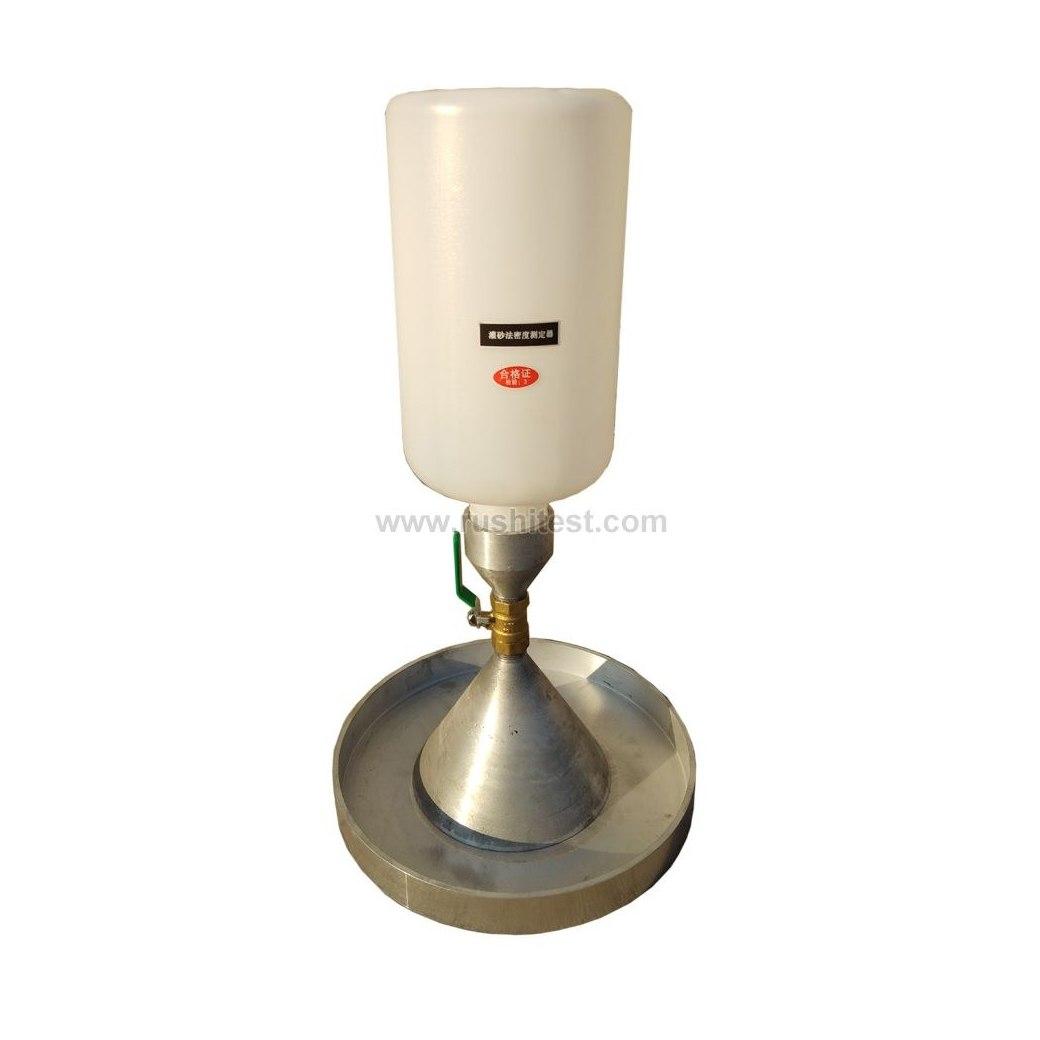
FDT Test Set Apparatus
Sand replacement field density kit: cylinder, cone, base plate and calibrated sand, for compaction acceptance.
FAQ
Questions buyers ask us
Why do we do field density tests?
To prove that each compacted layer has reached the density the design assumed, usually 95 to 98 percent of the lab maximum dry density. A layer that is short of that settles under traffic or load. Testing while the layer is open costs minutes; digging up a failed road costs months.
How do you calculate the bulk density of soil?
Divide the mass of soil by the volume it occupied. In the core cutter method, a 1,800 g sample from a 1,000 cm3 cutter has a bulk density of 1.80 g/cm3. Dry density is bulk density divided by 1 plus the moisture content, so at 12 percent it is 1.61 g/cm3.
What does 95 percent relative compaction mean?
It means the field dry density is 95 percent of the maximum dry density from the specified Proctor test. With a modified MDD of 2.00 g/cm3, the layer must reach at least 1.90 g/cm3 in place. It is the most common minimum for subgrade and backfill in Pakistan.
Is relative density the same as relative compaction?
No. Relative compaction compares field dry density with Proctor MDD and applies to most soils. Relative density, under ASTM D4253 and D4254, compares field density with the loosest and densest states of clean sand and gravel, and is given as 0 to 100 percent. Free-draining sands sometimes use it.
Do you need a licence for a nuclear density gauge in Pakistan?
Yes. A nuclear gauge contains sealed radioactive sources, so its owner needs authorisation from the Pakistan Nuclear Regulatory Authority, a trained operator with a dosimeter badge, secure storage and controlled transport. Plan on 2 to 4 months for the paperwork before the first test.
Which field density method is cheapest?
The core cutter is cheapest, often PKR 10,000 to 25,000 for cutter, dolly and rammer, but it only suits soft cohesive soil. The sand replacement set at PKR 25,000 to 60,000 works on almost everything. Confirm today's price on WhatsApp, rates move with the exchange rate.