Walk behind roller prices in Pakistan in 2026 run from about PKR 650,000 for a 550 kg double drum diesel roller with 600 mm drums to PKR 1,900,000 for a Japanese Mikasa class machine. A walk behind vibratory roller compacts asphalt and base on footpaths, trenches and society streets where a ride-on roller cannot fit.
Most of the rollers we sell from Rawalpindi are walk behind machines. The buyer is usually a contractor building streets inside a housing society, a utility contractor reinstating trenches, or a municipal contractor patching asphalt. None of them needs a 10 ton roller. They need a machine that fits through a gate, rides on a pickup and starts every morning.
How much does a walk behind roller cost in Pakistan?
These are 2026 market ranges for new machines. Confirm today's price on WhatsApp, rates move with the exchange rate.
| Class | Operating weight | Drum width | Engine | Indicative market price (PKR) | Typical job |
|---|---|---|---|---|---|
| Single drum walk behind | 300 to 500 kg | 500 to 650 mm | Petrol or diesel | 500,000 to 800,000 | Base patches, paths |
| Double drum, SH-600 class | 550 to 600 kg | 600 mm | Changfa CF178FE diesel | 650,000 to 950,000 | Footpaths, trenches, car parks |
| Double drum, 750 kg class | 750 kg | 650 to 700 mm | Single cylinder diesel | 900,000 to 1,300,000 | Society streets, asphalt edges |
| Double drum, 1 ton class | 900 to 1,000 kg | 700 to 750 mm | Diesel | 1,100,000 to 1,400,000 | Daily street work |
| Mikasa class, Japanese | 600 to 1,000 kg | 600 to 750 mm | Yanmar diesel | 1,400,000 to 1,900,000 | Contractors who run it every day |
| Mini ride-on tandem | 1 to 1.5 ton | 800 to 900 mm | Diesel | 1,800,000 to 2,600,000 | Car parks, small roads |
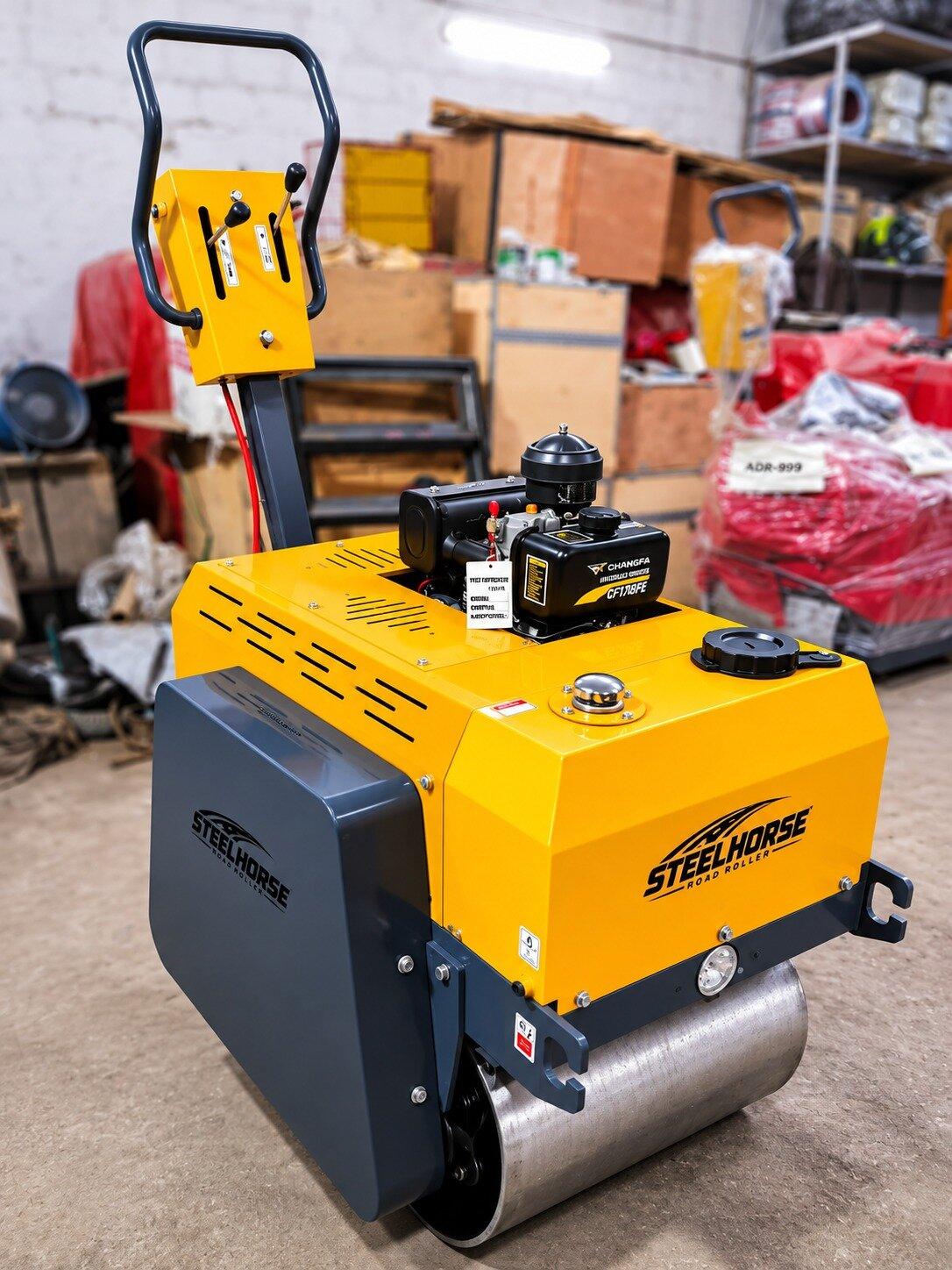
The machine most of our customers end up with is the 550 kg class. The Steel Horse SH-600 weighs 550 kg, has two 600 mm drums that both vibrate, puts down 20 kN of centrifugal force and runs on a Changfa CF178FE air cooled diesel. It is enough to finish base and asphalt on most society and municipal work.
Single drum vs double drum walk behind roller
A single drum roller has one vibrating steel drum and either rubber wheels or a small static drum. It is cheaper and lighter, and fine for granular base on paths and small yards.
A double drum roller vibrates both drums. Both ends leave a smooth finish, it compacts in both directions without turning, and it is the right machine for asphalt. Most double drum rollers also carry a water tank and sprinkler bars that wet the drums so hot bitumen does not stick.
For anything with asphalt, buy double drum. The 20 to 30 percent saving on a single drum is lost on the first job where the surface tears.
What can a walk behind vibratory roller compact?
Weight and centrifugal force decide how thick a layer you can compact in one lift. As a working guide for a 550 to 750 kg double drum roller:
- Asphalt wearing course: 40 to 60 mm per layer
- Crushed stone base or sub-base: 100 to 150 mm per lift
- Sand and sandy fill: 150 to 200 mm per lift
- Clay and cohesive soil: poor results; use a tamping rammer instead
Thicker layers need a heavier roller or thinner lifts. If the specification calls for 95 to 98 percent of modified Proctor density under ASTM D1557, plan for 4 to 8 passes and prove it with a field density test, such as the sand cone method of ASTM D1556, on the first section.
A sizing rule we give every buyer: output in square metres per hour is roughly the effective drum width in metres, times walking speed in metres per hour, divided by the number of passes. A 600 mm drum with 100 mm overlap is 0.5 m effective. At 2.5 km per hour and 6 passes, that is about 200 square metres an hour. If your daily patch is bigger than that before the asphalt cools, you need the 1 ton class or a mini ride-on.
When the roller starts to hop and the handle buzzes hard in your hands, the layer is done: switch the vibration off. Vibrating a finished layer cracks the asphalt and hammers the drum bearings. Most worn vibration bearings we see come from crews who keep the vibration on for the last few passes out of habit.
Changfa vs Yanmar: which diesel?
Both are single cylinder air cooled diesels, and both suit Pakistani conditions far better than petrol for daily use.
The Changfa CF178FE, at six to nine horsepower, is the common small diesel of Pakistani machinery markets. Parts are in every city, from Peshawar to Karachi, and any field mechanic knows it. That is a large part of why the SH-600 suits Pakistani contractors.
The Yanmar diesel, fitted to the Mikasa walk behind roller, runs smoother, starts more readily after a cold night in Murree or Quetta and lasts longer between overhauls. You pay for that in the purchase price.
Petrol rollers exist and are lighter and cheaper, but burn more fuel per hour and wear faster under daily work. For a machine that runs more than ten days a month, diesel wins.
What wears out, and what to check before buying
The parts that fail on walk behind rollers in Pakistan are predictable:
- Vibration bearings, from vibrating finished layers and from dust.
- Drive belts and clutch, from slipping on slopes in hilly society streets in Islamabad and Murree.
- Water system, where hard water from a borewell blocks the sprinkler holes. Use clean water and flush the tank weekly.
- Air filter, which chokes in a day on a dusty site in summer. Clean it daily; a choked filter is the start of most engine failures.
- Scraper bars, which wear and let asphalt build up on the drum.
Before buying, start the engine cold, run the vibration on a hard surface and listen for knocking from the drums, check that the machine drives straight in both directions, and ask where the bearings and belts come from. A new roller from us carries a two year warranty, and we keep common spares in Rawalpindi.
Walk behind roller vs mini ride-on roller
A walk behind roller fits through a 1 metre gate, goes on a single pickup and needs one operator on foot. A 1 to 1.5 ton mini ride-on tandem covers two to three times the area per hour, but needs a trailer or truck and costs roughly double. For streets inside a society, footpaths and patching, the walk behind roller is the right size. For car parks and full-width small roads laid in one day, the ride-on earns its price. The heavier classes are priced in road roller price in Pakistan.
What we supply
Our rollers and compactors are under small machinery.
- Steel Horse SH-600 walk behind road roller: 550 kg, 20 kN, 600 mm drums, Changfa diesel. See all Steel Horse machines.
- Walk behind vibratory roller, 750 kg: the step up for daily street work.
- Mikasa walk behind roller: Japanese double drum with a Yanmar diesel.
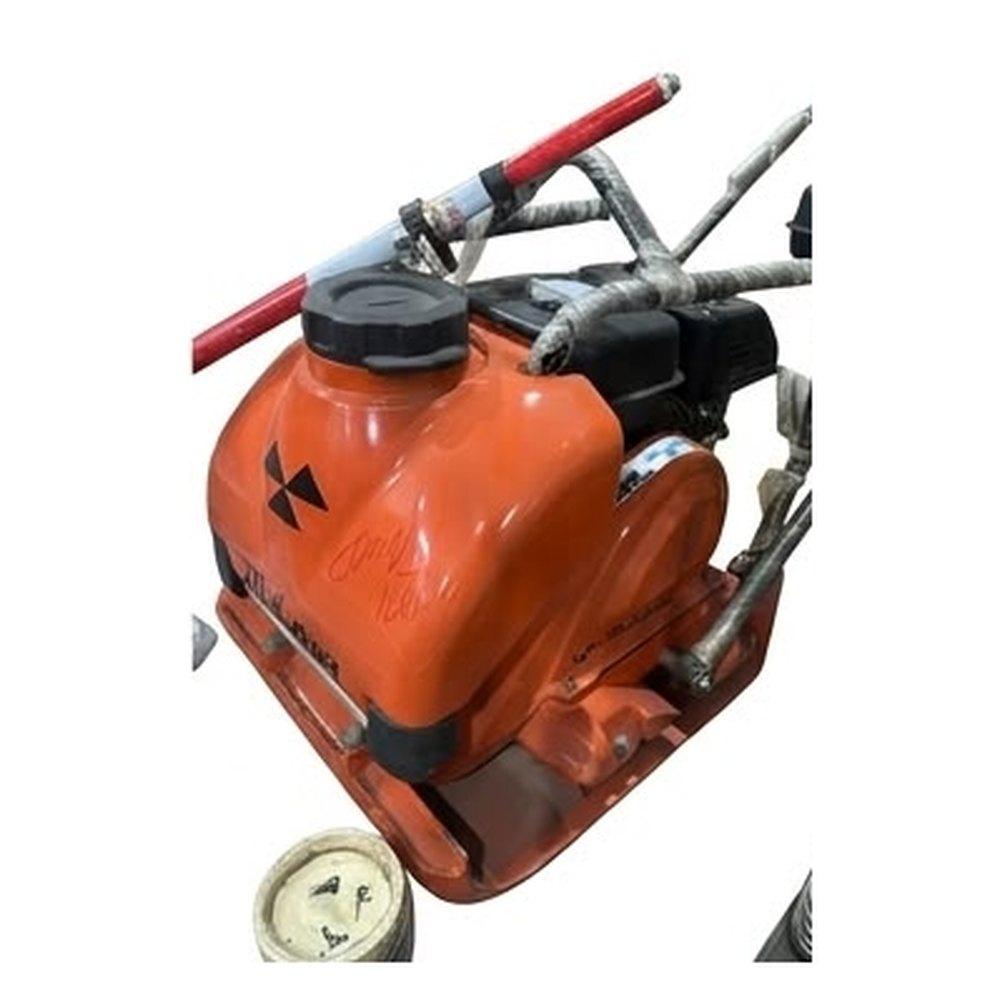
- Mikasa MVC-88VTHW plate compactor for edges and trenches the roller cannot reach.
For the smaller end of compaction, read plate compactor price in Pakistan, and for proving the result, field density test methods.
Ask for today's price
Tell us the material, the layer thickness, the area you lay in a day and your city. We will recommend the class honestly, including a plate compactor if that is what the job needs, and confirm today's price and delivery. Send us a WhatsApp.
What we supply
Equipment covered in this guide
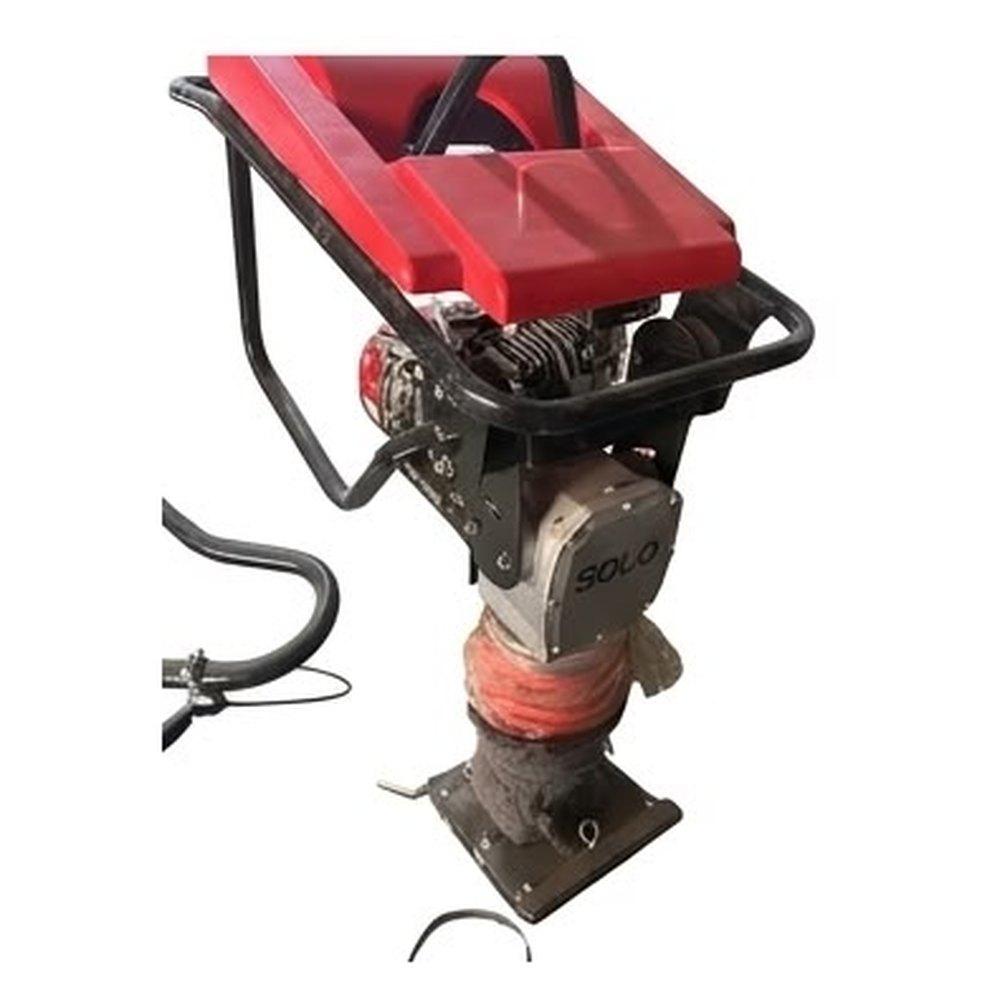
Tamping Rammer
Jumping jack for narrow trenches and around services, where a plate cannot reach and a roller will never fit.
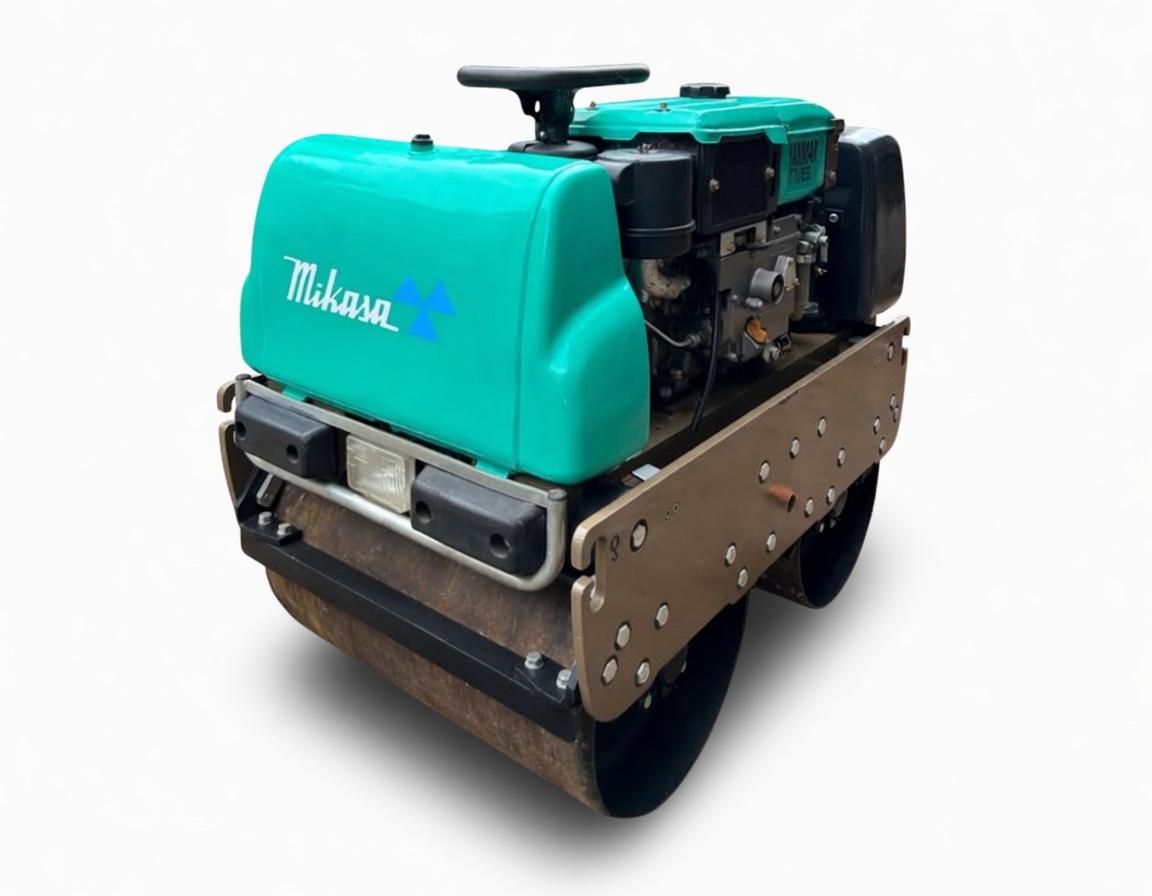 Mikasa
 Walk Behind Double Drum Vibratory Roller
Double drum vibratory roller for footpaths, patch repairs and confined asphalt work, supplied in the yellow and the blue body depending on availability.
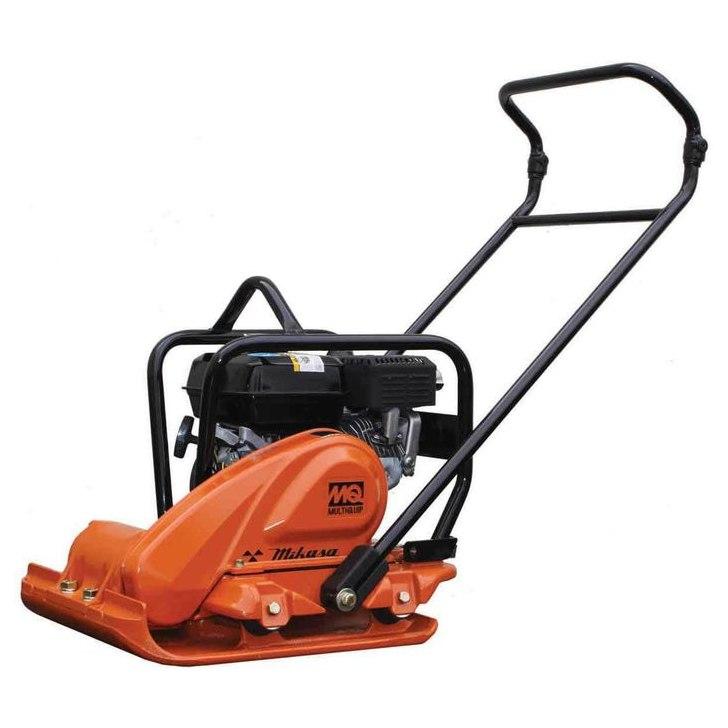 MikasaMVC-88VTHW
Mikasa MVC-88VTHW Plate Compactor
The Mikasa plate with the water tank, for asphalt work where the plate has to stop picking up the surface it is compacting.
FAQ
Questions buyers ask us
What is the price of a walk behind roller in Pakistan?
In the 2026 market a 550 to 600 kg double drum diesel roller such as the Steel Horse SH-600 class costs about PKR 650,000 to 950,000, a 750 kg to 1 ton diesel roller about PKR 900,000 to 1,400,000, and a Japanese Mikasa class roller up to PKR 1,900,000. Confirm today's price on WhatsApp, rates move with the exchange rate.
What is a walk behind roller used for?
It compacts asphalt, base and sub-base in places a ride-on roller cannot reach: footpaths, trench reinstatement, car parks, service lanes, society streets and road edges. A 550 kg double drum roller finishes asphalt layers of about 40 to 60 mm and granular layers of 100 to 150 mm.
What is the difference between a single drum and a double drum roller?
A double drum walk behind roller vibrates both drums and has a smooth finish front and back, so it suits asphalt. A single drum roller has one vibrating drum and wheels or a second static drum, and is cheaper by roughly 20 to 30 percent. For asphalt, buy double drum.
How much area can a walk behind roller compact in an hour?
A roller with 600 mm drums walking at 2.5 km per hour, with 100 mm overlap and 6 passes, compacts about 200 square metres an hour. That covers a typical society street patch or a 100 metre trench in a morning, before the asphalt cools.
Which is better, Changfa or Yanmar diesel?
Yanmar engines run smoother and last longer under daily use, which is why Japanese rollers such as Mikasa use them. Changfa CF178FE class engines cost far less, and parts are sold in machinery markets in every Pakistani city, so a mechanic in Multan or Quetta can keep one running.
Is a walk behind roller better than a plate compactor?
For asphalt and wide areas, yes: a 550 kg roller gives a smoother finish and covers 2 to 3 times the area. For trenches under 600 mm wide, around manholes and on cohesive soil, a plate compactor or tamping rammer does better. Most contractors end up owning both.