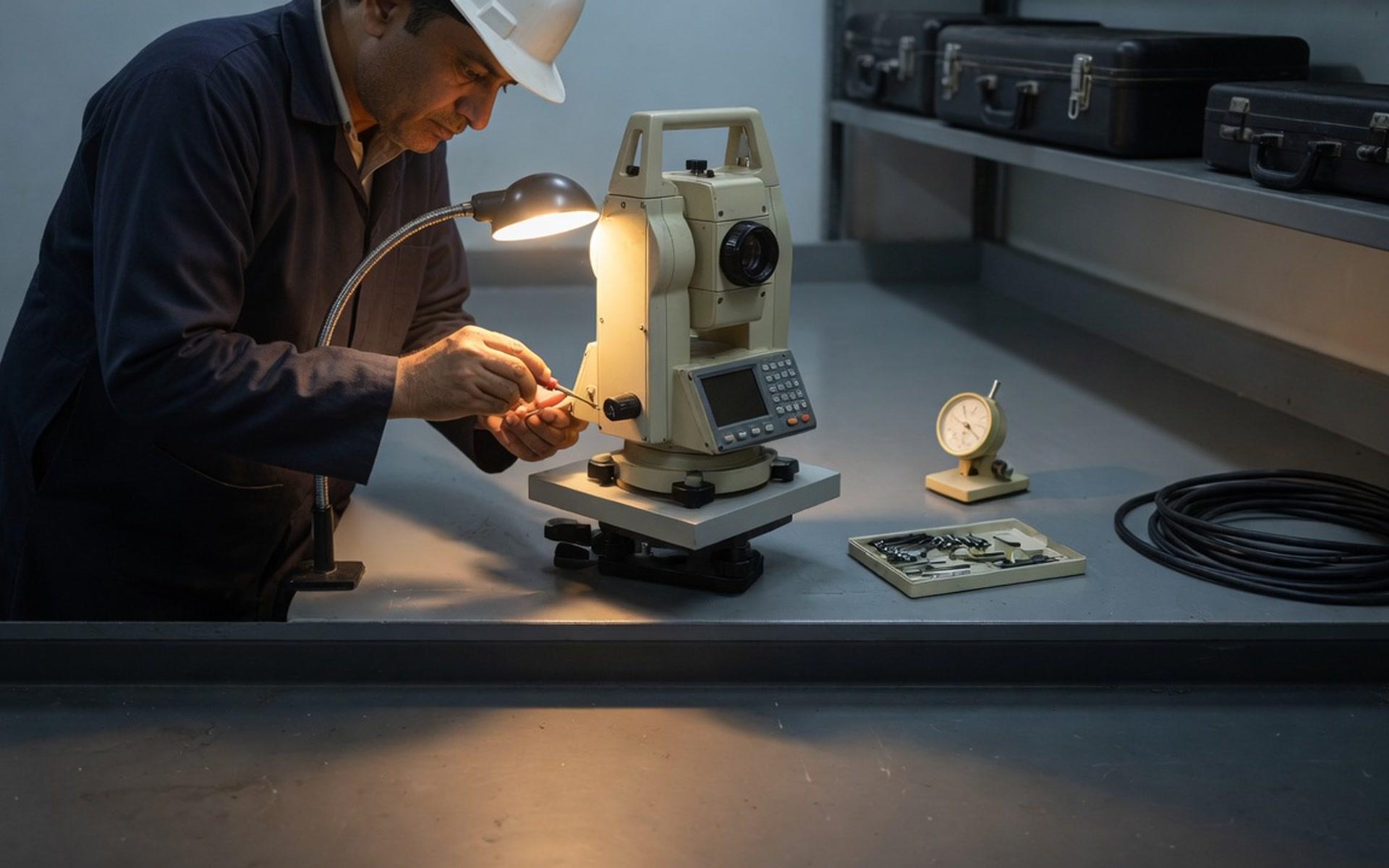
Total station repair and calibration is the work of putting an instrument back inside its stated accuracy, typically 2 to 5 arc seconds on angles and a few millimetres on distance, and proving it on paper. We do it on our own bench in Rawalpindi for Sokkia and Kolida, the two brands we are authorised for, and for other makes brought to us.
When does a total station need calibration?
A total station needs calibration at least once a year, and straight away after a fall, a hard knock in transit, or a field check that does not close. Most consultants on NHA, CDA and housing society work ask for a certificate that is less than twelve months old before an instrument goes onto their job.
The signs we see most often on the bench:
- Face left and face right readings disagree by more than the instrument's stated accuracy. That is collimation or trunnion axis error.
- A traverse that will not close, or levels from the instrument that differ from a level run.
- The tilt warning will not clear on a tripod that is properly levelled. The compensator index has drifted.
- Distances that are a few millimetres out on every shot, which points at the EDM constant or a prism constant set wrongly.
- The plummet does not stay on the point as the instrument is turned through 360 degrees.
A quick field check before you bring it in: set up, sight a sharp target about 100 m away on face left, read the angles, transit, sight it again on face right. Horizontal readings should differ by 180 degrees within about twice the stated accuracy. If they do not, the bench will find it too.
What we check and adjust
| Check | What goes wrong | What we do |
|---|---|---|
| Horizontal collimation | Line of sight not square to the trunnion axis | Measure on both faces, set the correction |
| Vertical index | Zenith angle reads high or low | Measure and set the index correction |
| Compensator, tilt sensor | Tilt warning, small level errors | Zero the index, check its range |
| EDM and constants | Distances out by a fixed amount | Check against a known distance, set constants |
| Optical or laser plummet | Instrument not over the point | Rotate and adjust onto the mark |
| Circular bubble and tribrach | Loose foot screws, bubble off | Adjust and tighten |
| Batteries, charger, keyboard | Short runtime, dead keys | Test and replace parts |
Every instrument gets the same sequence whatever the fault on the job card, because one knock often shows up in two places.
Repairs we take on
Calibration is only half of what comes across the bench. Dust is the main enemy in Pakistan: it gets into the focusing and the tangent screws, and the instrument starts to feel rough or stiff. Monsoon damp brings fungus on the optics and condensation inside the display. Summer heat in the back of a vehicle kills batteries.
What we deal with most often:
- Stiff or slipping tangent and clamp screws, cleaned and greased.
- Fogged or fungus marked optics, cleaned where the coating allows.
- Dead keys, faded displays and loose battery contacts.
- Broken carry handles, cracked covers and damaged cases.
- Batteries that no longer hold a charge, and chargers that have failed.
- Tribrachs with worn foot screws or a plummet out of adjustment.
- Firmware updates where the maker supplies them.
Where a fault needs a part we do not hold, we tell you before we order it. For the Sokkia and Kolida instruments we sell, parts come through our dealer channel.
How the bench service works
- Message us on WhatsApp with the make, model and serial number, and what the fault is.
- Bring the instrument in to our Rawalpindi office with its tribrach, battery and charger, or send it by courier in its case.
- We inspect it and tell you what it needs before any repair work starts. A calibration with no fault found is one job; a repair is quoted first.
- We calibrate, repair and test it, then issue the certificate.
- You collect it, or we courier it back to your site anywhere in Pakistan.
Bring the prism and pole as well if distances are the problem, because a prism constant set wrongly in the instrument looks exactly like an EDM fault.
Which brands do you service?
We are authorised dealers for Sokkia and Kolida, so those instruments come with dealer parts and support. We also look at other makes that are common on Pakistani sites, older instruments that are long out of production included. Tell us the make and model when you message and we will say straight away whether it is one we can help with.
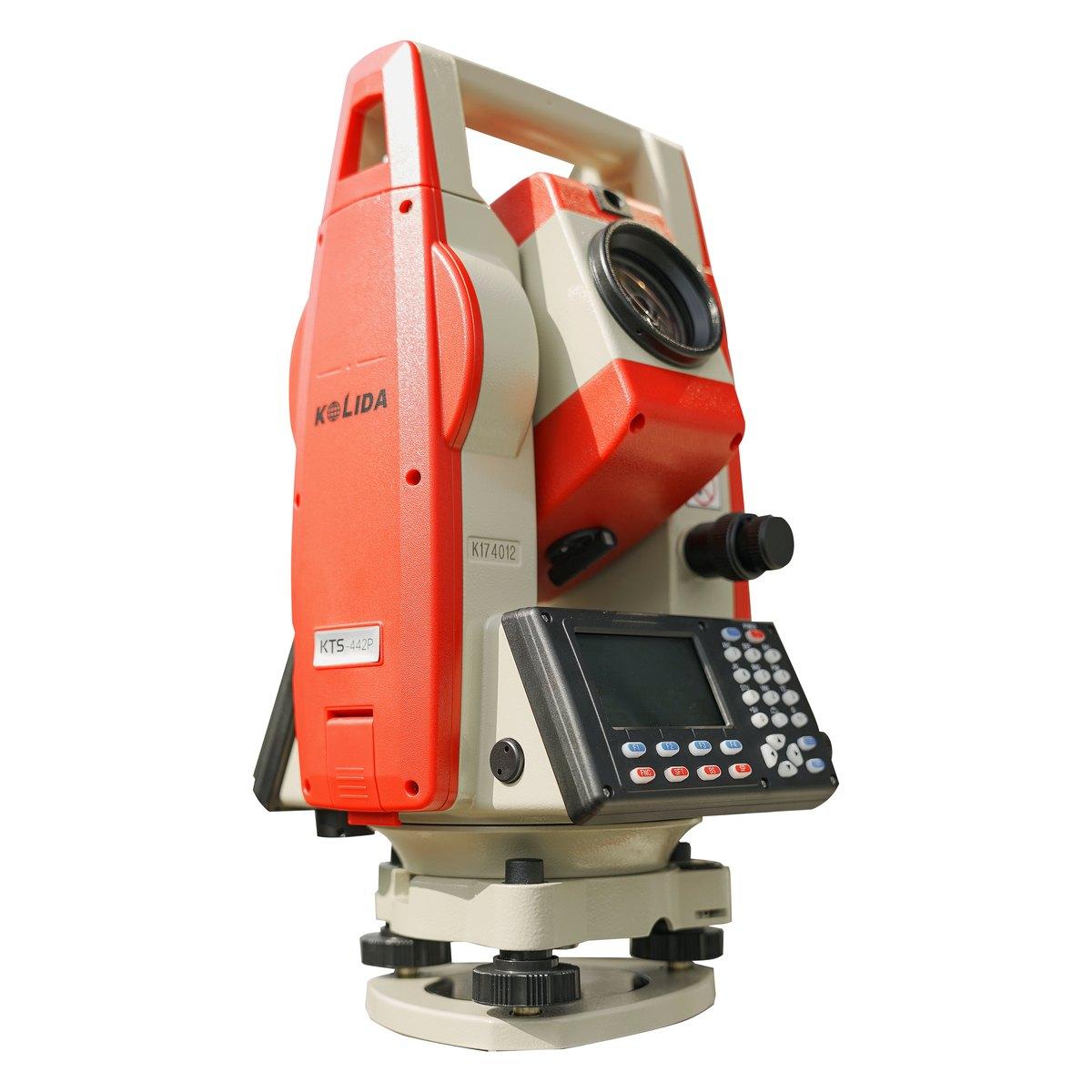
If you are weighing a repair against a new instrument, the total station price guide sets out what new instruments cost this year, and the Kolida KTS-442P complete set is PKR 500,000.
Your calibration certificate
The certificate records the instrument, its serial number, the checks made, the readings before and after adjustment, the date and who did the work. That is what consultants and clients ask to see before an instrument starts on their job. If your contract names a particular standard, tell us when you book so the checks follow it; ISO 17123 is the series most often quoted for field procedures.
Between calibrations, the checks in our total station calibration guide and the two peg test for levels will tell you whether something has moved before it costs you a day of work.
Book a check
Message us on WhatsApp with the make, model and fault, or send an enquiry. We will tell you what the instrument needs before any work starts.
Supplied and serviced
Equipment we work on
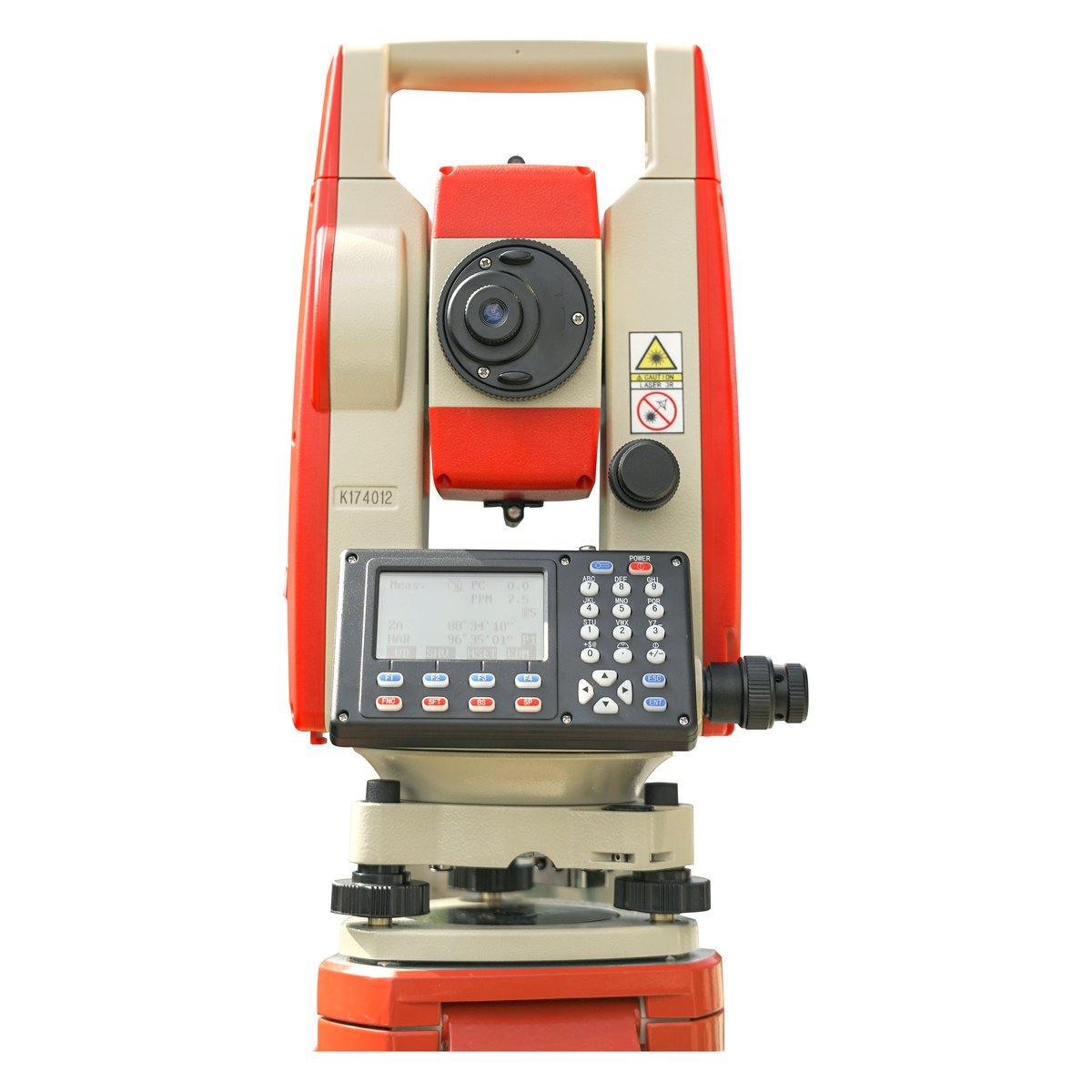 KolidaKTS-442P
Kolida KTS-442P Total Station
The workhorse of our survey counter. Reflectorless measurement, a rugged field build and a hard carry case that survives the back of a pickup.
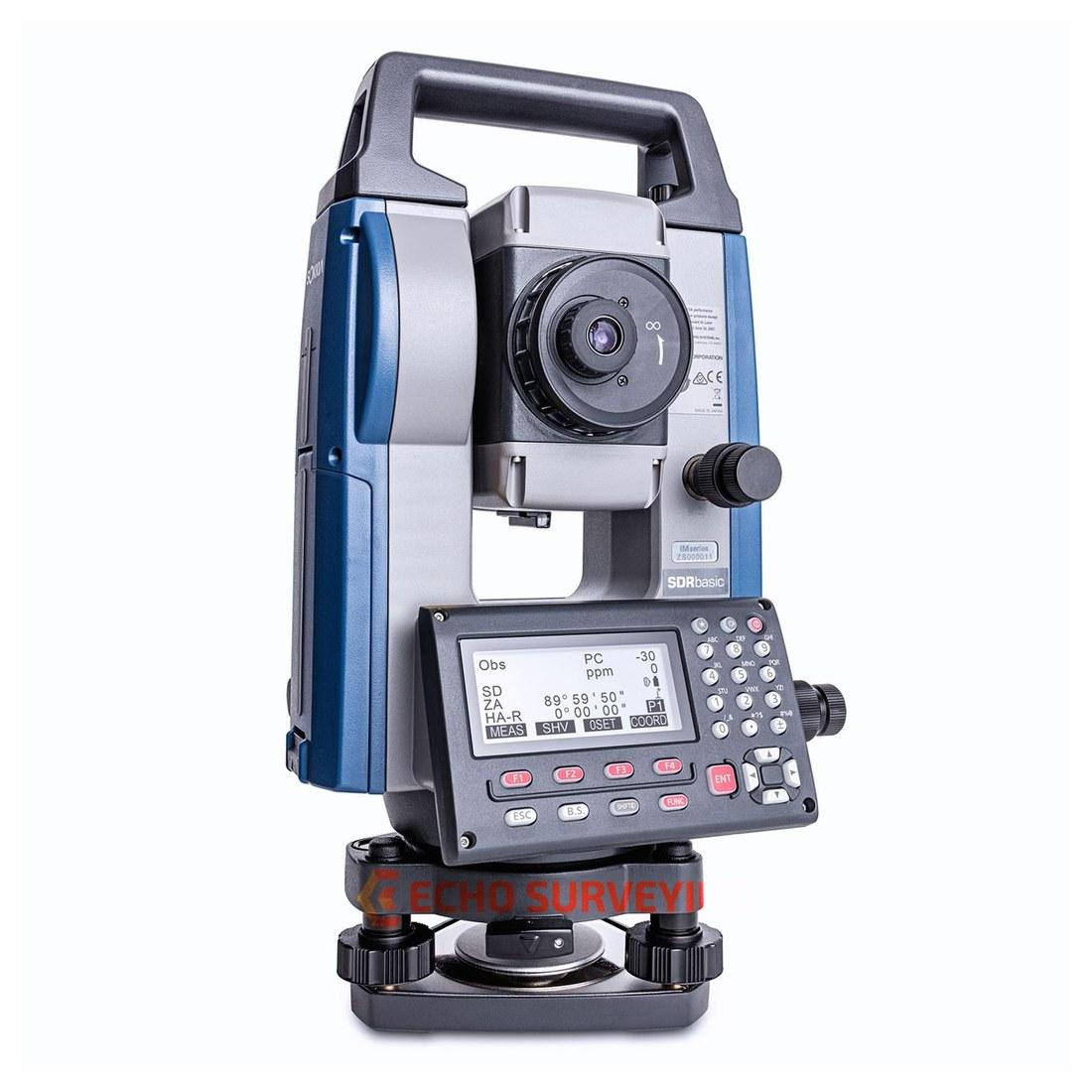 SokkiaiM-50 / iM-52 / iM-55 / iM-60 / iM-100 series
Sokkia iM Series Total Station
Japanese optics and angle measurement for control work where the tolerance is not negotiable. The iM-50, iM-55 and iM-100 series, supplied with training and calibration.
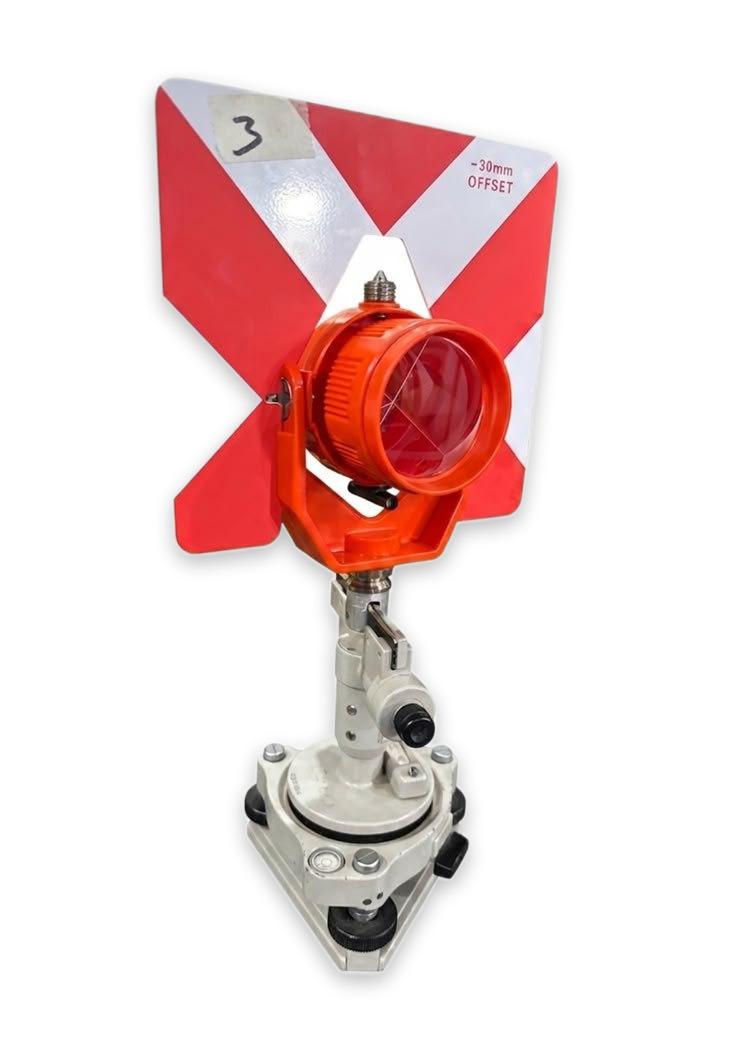
Tribrach & Carrier
The part that decides whether your setup is level and centred. Optical plummet, three foot screws, and a carrier that takes prism or instrument.
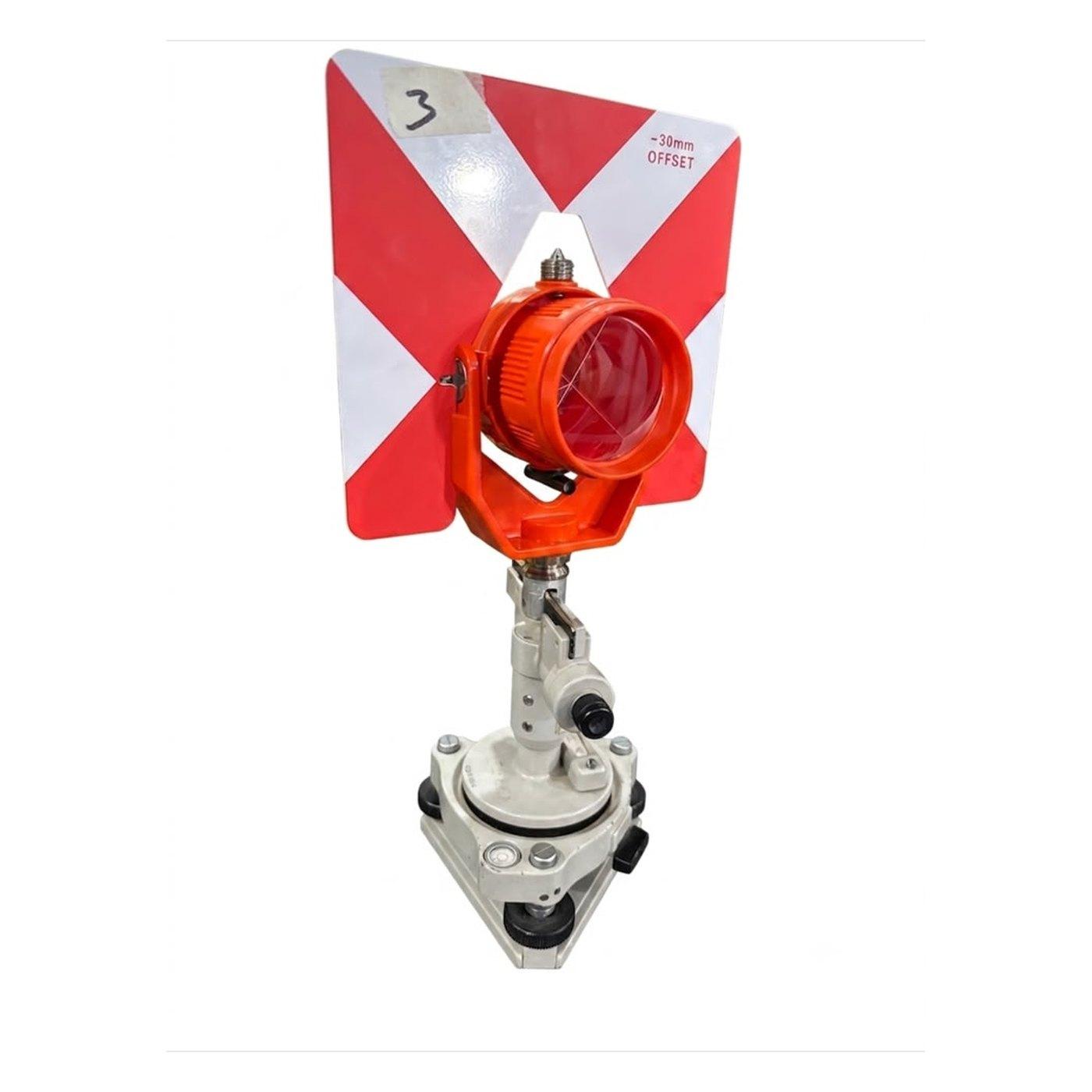
Single Prism with Tribrach
Single prism, target plate and carrier on a levelling tribrach. The standard backsight assembly, set to a 30 mm offset.
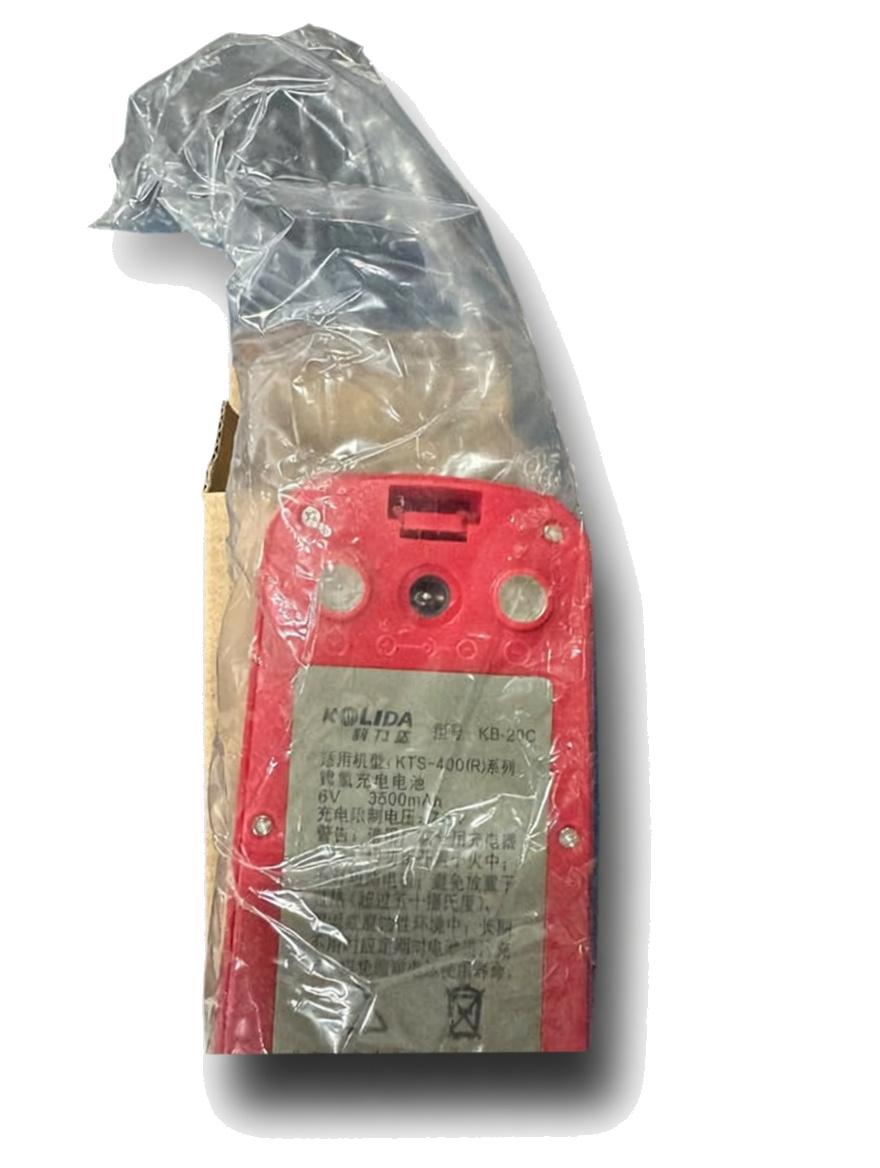 KolidaKB-20C
Kolida KB-20C Total Station Battery
Genuine replacement pack for the KTS-400 series. A dead battery is the single most common reason a survey crew loses a morning.
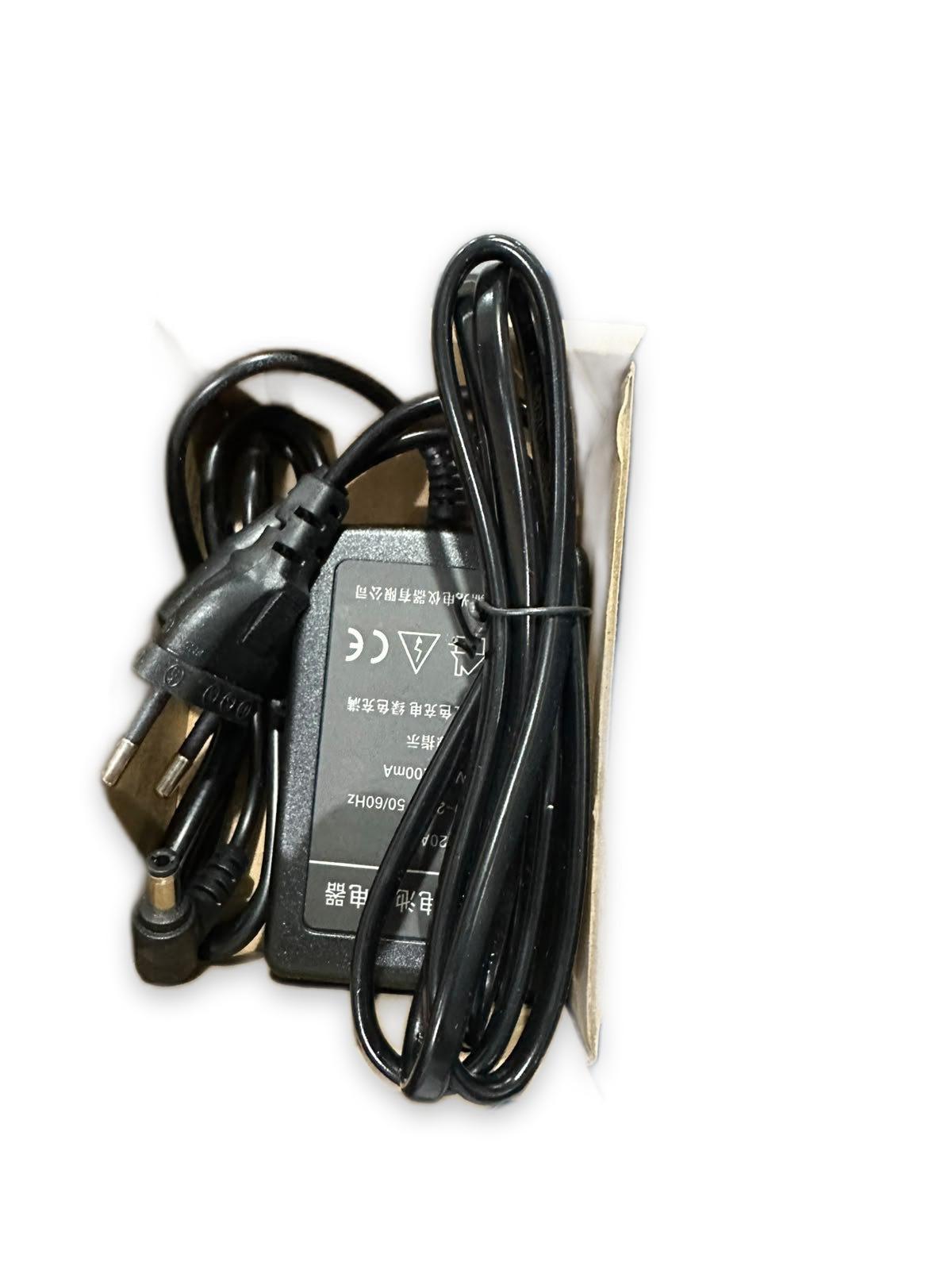
Total Station Battery Charger
Mains charger for total station and level battery packs, supplied boxed with the lead.
FAQ
Questions we are asked at the bench
How often should a total station be calibrated?
At least once every 12 months, and immediately after a fall, a hard knock or a field check that fails. Most consultants on NHA, CDA and housing society work ask for a certificate under 12 months old before an instrument goes onto the job.
Do you repair total stations you did not sell?
Yes. We are authorised for Sokkia and Kolida, and we also look at other makes common on Pakistani sites. Message us the make, model and serial number first and we will tell you whether it is one we can help with. We have run this bench since 2002.
Do I get a calibration certificate?
Yes. The certificate lists the instrument and serial number, every check made, the readings before and after adjustment, and the date. If your contract names a standard such as ISO 17123, tell us when you book so the 7 checks on our sheet follow it.
How much does total station calibration cost?
It depends on the instrument and whether anything needs repairing, so we inspect first and quote before any repair starts. A calibration with no fault found is 1 fixed job. Message the make and model on WhatsApp for today's figure.
Can I send my instrument by courier?
Yes. Pack it in its hard case with the tribrach, battery and charger, and include a note of the fault and your number. We return it by courier anywhere in Pakistan, usually in 2 to 3 working days once it leaves our bench.
Can I check calibration myself on site?
You can check it, not adjust it. Sight a target about 100 m away on both faces: horizontal readings should differ by 180 degrees within about twice the stated accuracy. If they do not, bring it in for a bench calibration.