Cube mould price in Pakistan in 2026 runs from about PKR 1,200 for a plastic 150 mm mould to PKR 6,000 to 11,000 for a locally cast iron mould and PKR 12,000 to 20,000 for a precision machined import. A working set of six 150 mm cast iron moulds therefore costs roughly PKR 36,000 to 66,000.
The cube mould is the cheapest item in a concrete lab and the one that most often decides whether a pour passes. A cube is only as square as the mould it was cast in. This guide sets out the classes on the market, what they cost, which size your specification wants, and the field check we use to decide when a mould should be retired.
How much does a cube mould cost in Pakistan?
| Mould type | Size | Typical use | 2026 market range per mould (PKR) | Set of 3 (PKR) | Set of 6 (PKR) |
|---|---|---|---|---|---|
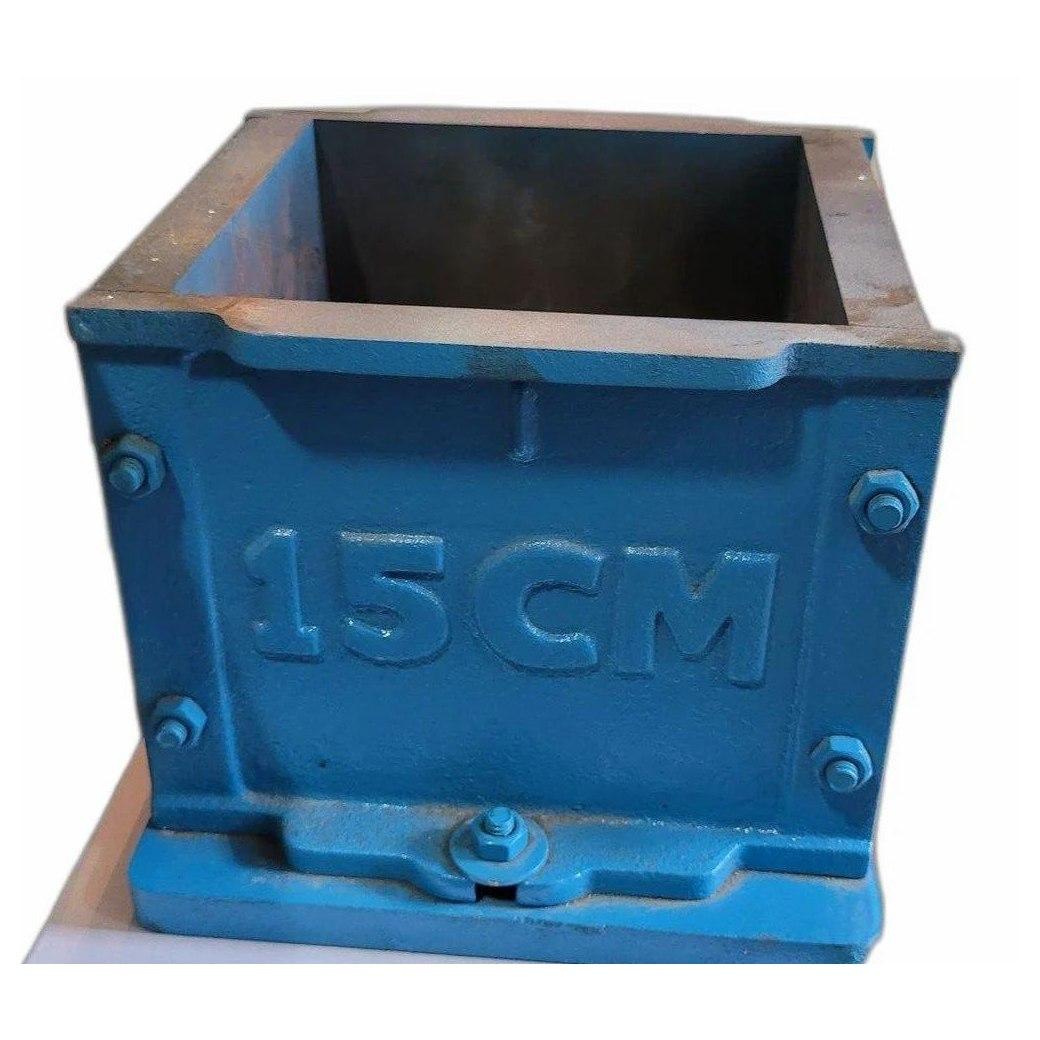
| Cast iron, local casting, 2 or 4 part split | 150 mm | Site and commercial labs | 6,000 to 11,000 | 18,000 to 33,000 | 36,000 to 66,000 |
| Cast iron, precision machined import | 150 mm | Third party and university labs | 12,000 to 20,000 | 36,000 to 60,000 | 72,000 to 120,000 |
| Fabricated steel, bolted | 150 mm | Rough sites, high handling | 5,000 to 9,000 | 15,000 to 27,000 | 30,000 to 54,000 |
| Rigid plastic, reusable | 150 mm | Site cubes, ready mix plants | 1,200 to 2,500 | 3,600 to 7,500 | 7,200 to 15,000 |
| Cast iron | 100 mm | Fine aggregate mixes | 4,500 to 8,000 | 13,500 to 24,000 | 27,000 to 48,000 |
| Cast iron, 3 gang | 70.6 mm | Cement mortar cubes | 7,000 to 13,000 | One mould casts 3 | Two moulds |
These are 2026 market ranges in Pakistan. Imported moulds move with the dollar, and local castings move with the price of scrap iron. Confirm today's price on WhatsApp, rates move with the exchange rate.
A 25 mm square tamping bar adds roughly PKR 1,500 to 3,000, and a tin of release oil a few hundred rupees.
What is the standard cube mould size?
The standard concrete cube mould is 150 x 150 x 150 mm. That is what building works, many CDA and housing society projects, and NESPAK or consultant specifications following British practice call for, under BS 1881 and BS EN 12390-1. NHA highway and bridge work, and many WAPDA, motorway and foreign funded projects, specify cylinder strength instead, so check your specification before buying moulds. As a rule the cube side should be several times the largest aggregate size, so 150 mm suits normal 20 mm and 40 mm mixes.
- 150 mm: structural concrete, the default on every site.
- 100 mm: mixes with 10 to 20 mm aggregate where the specification allows it. A 100 mm cube usually reads a little higher than a 150 mm cube from the same concrete, so never mix the two in one result set.
- 70.6 mm: cement mortar cubes for testing cement itself. The face area is 5,000 mm2, which makes the arithmetic easy.
- 50 mm: grout and some mortar tests under ASTM practice.
People searching for a "6 inch cube mould" mean the 150 mm mould. The difference between 6 inches (152.4 mm) and 150 mm matters: a true 6 inch mould gives a face area about 3 percent larger, so if you calculate using 22,500 mm2 your strength will read about 3 percent high.
Cast iron, steel or plastic: which concrete cube mould to buy?
Cast iron
The traditional lab mould. Heavy (around 11 to 14 kg for a 150 mm mould with base), stable, and the inside faces are machined flat. A good one lasts a decade in a lab. Cheap local castings are not always machined well: look at the inside faces in good light. You want a smooth, even machined finish, not a painted casting skin.
Fabricated steel
Plate steel bolted or welded into a split box. Lighter and tougher when dropped, which happens on every site. The risk is welded seams pulling the faces out of square, and rust if the mould is put away wet.
Plastic
Rigid ABS or polypropylene, one piece or two piece, demoulded with compressed air or by flexing. Ready mix plants in Lahore and Karachi use them by the hundred because they are light and cheap. They are fine if they stay square. They are not fine once they have been left on a hot slab in June and gone slightly barrel shaped.
For a fixed lab, buy cast iron. For a site where moulds travel in the back of a pickup, steel or plastic often comes out cheaper over two years, because a cast iron mould that is dropped onto concrete cracks.
What tolerances should a cube mould meet?
BS EN 12390-1 sets tight limits on the side length, the flatness of the faces and the squareness of the faces to each other and to the base. You do not need the clause numbers to check a mould at the counter or on site; you need a steel rule, a try square and a straightedge.
Our field check: assemble the mould on its base, measure each internal side at top and bottom with a vernier, and lay a try square in each corner. If any side is more than 1 mm off 150, or you can slide a 0.1 mm feeler gauge between the square and the face, take that mould out of service. A mould that fails this check will make cubes that rock on the platen, and a rocking cube fails early.
Other things to look at:
- The base plate should be flat. Lay it on a glass sheet; it should not rock.
- Clamp bolts should pull the halves tight with no visible gap at the corners. Grout leaking out of a gap makes a weak edge.
- The top edges should be flat, so the trowel gives a level finish.
Why does a worn mould give low results?
A cube is crushed between two steel platens. If its faces are flat and parallel the load spreads evenly and the cube fails in a clean double pyramid at its true strength. If a mould has bowed faces or a twisted base, the cube comes out with one face slightly convex or out of parallel. The load then goes through a small area first, cracks start early, and the machine records a lower failure load.
We have seen sets from the same truck read 4 to 6 MPa apart, and the difference was the mould, not the concrete. When a site starts failing cubes and the plant swears the mix is right, the first step is to check the moulds, before anyone talks about cores.
Moulds wear in predictable ways in Pakistan:
- Dropped moulds crack at the bolt lugs or lose squareness.
- Concrete left to harden on the faces gets chipped off with a hammer and screwdriver, gouging the face.
- Monsoon rust on steel moulds put away wet roughens the face; cubes stick and tear on stripping.
- Over-tightened plastic moulds in summer heat creep out of shape.
Clean moulds the same day, oil them lightly and store them assembled on a shelf, not loose in a sack.
How many cube moulds does a site need?
One sample is six cubes: three for 7 days and three for 28. The moulds are tied up until they are stripped next morning. So:
- One pour a day: 12 moulds minimum.
- Two or three pours a day, or a long pour sampled every 50 to 100 cubic metres: 18 to 24 moulds.
- A commercial lab casting trial mixes: 24 or more, in more than one size.
Buying six moulds and expecting to keep up with a daily pour is the commonest false economy on a site. Cubes are skipped, and then the consultant asks for cores. For the full procedure, see our concrete cube test guide.
What we supply
- Cube and cylinder moulds: 150 mm cast iron and plastic cube moulds, 100 mm and mortar moulds, and steel split cylinder moulds
- Concrete compression testing machine to crush them
- Laboratory vibrator and slump test cone apparatus
- Digital balance for weighing cubes before crushing
- Everything else under civil lab equipment
If your project is on an American specification you need cylinders, not cubes: see concrete cylinder mould and cube vs cylinder strength. Our compression testing machine price guide covers the machine side.
Ask for today's price
Tell us the size, the number of moulds and whether you want cast iron, steel or plastic. We will quote sets of 3, 6 or 12 with tamping bars. Confirm today's price on WhatsApp, rates move with the exchange rate. Contact us for a quote.
What we supply
Equipment covered in this guide
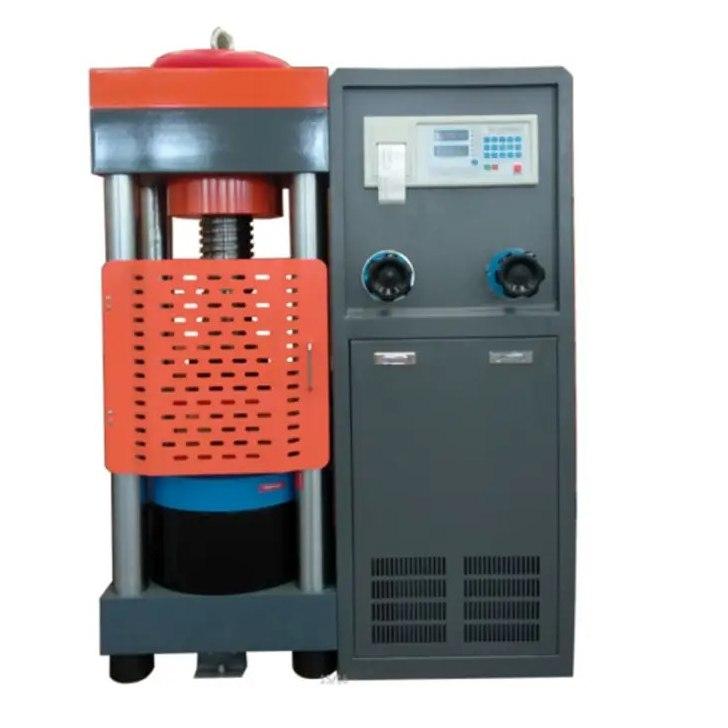
Concrete Compression Testing Machine
The machine every cube result on a project comes off. Supplied with the platens, the cage and a calibration certificate.
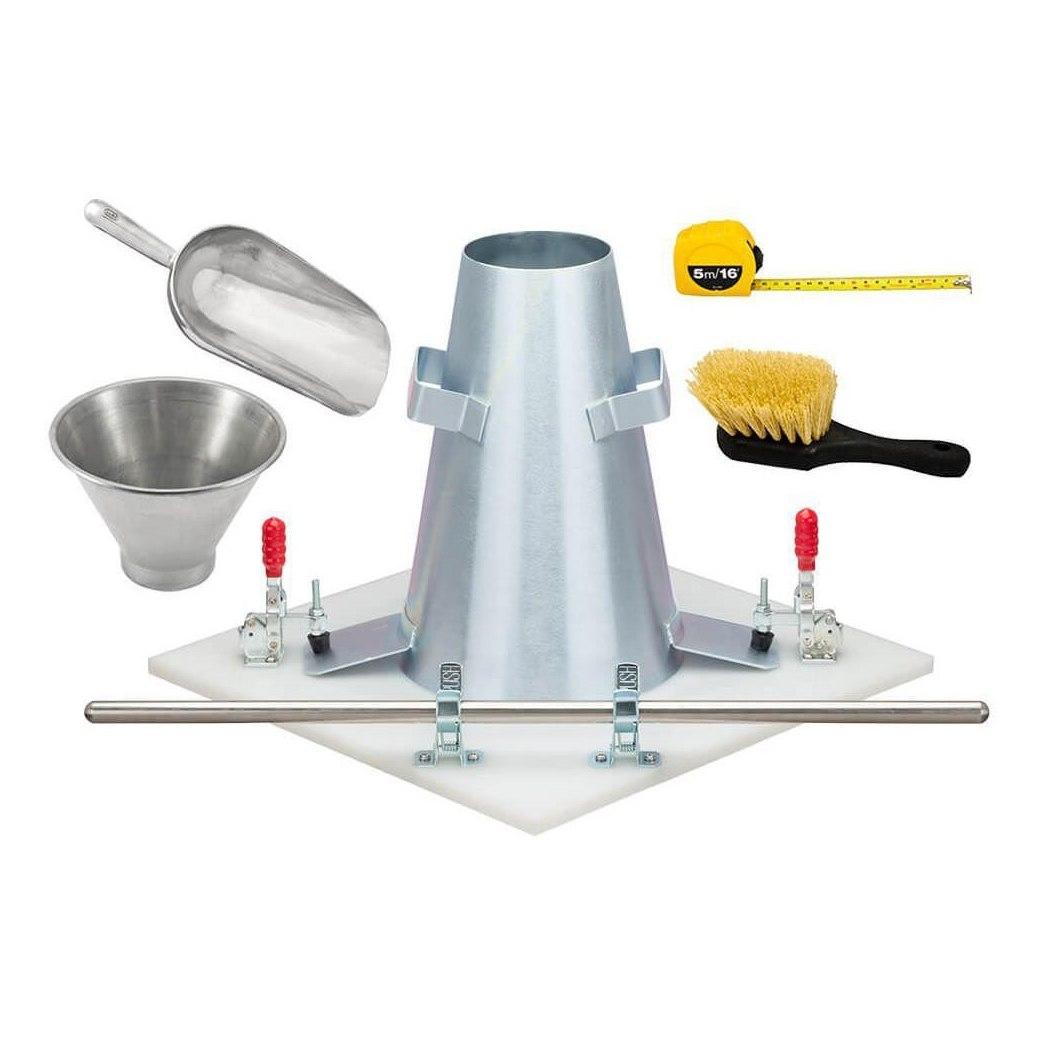
Slump Test Cone Apparatus
Cone, base plate, tamping rod and rule. The first thing a site engineer asks for and the first thing to go missing.

Cube & Cylinder Moulds
Cast iron and steel moulds in cube, cylinder and beam sizes. Supplied by the set, because they never come back one at a time.
FAQ
Questions buyers ask us
What is the price of a cube mould in Pakistan?
In 2026 a 150 mm cast iron cube mould costs about PKR 6,000 to 11,000 for local castings and PKR 12,000 to 20,000 for precision machined imports. A fabricated steel mould is about PKR 5,000 to 9,000 and a plastic cube mould about PKR 1,200 to 2,500. Confirm today's price on WhatsApp.
What is the standard cube mould size?
The standard concrete cube mould is 150 x 150 x 150 mm, suitable for aggregate up to about 40 mm. A 100 mm mould is used for mixes with smaller aggregate, and 70.6 mm and 50 mm moulds are used for cement mortar and grout testing. Most site specifications in Pakistan call for 150 mm.
Is a plastic cube mould acceptable?
Many consultants accept rigid plastic 150 mm moulds for site cubes if they hold their shape and the cubes come out square. They are light, do not rust and cost about a fifth of cast iron. They flex if over-tightened or left in 45 degree sun, so check them every few months.
How many cube moulds does a site need?
Six moulds make one sample: three cubes for 7 days and three for 28 days. Moulds are stripped the next morning, so a site pouring daily needs at least 12, and a site with two or three pours a day needs 18 to 24. Running short of moulds is the commonest reason samples are skipped.
Cast iron or steel cube mould, which is better?
A well machined cast iron mould is the most stable and lasts 10 years or more in a lab. A fabricated steel mould is tougher if dropped and cheaper, but welded seams can distort. For a fixed lab buy cast iron; for a rough site with constant handling, steel or plastic often survives better.