A concrete cylinder mould is a 150 mm diameter by 300 mm high (6 x 12 inch) or 100 x 200 mm (4 x 8 inch) form for test cylinders under ASTM C470. A steel split 150 x 300 mm mould costs about PKR 8,000 to 16,000 in 2026, and a single use plastic mould PKR 500 to 1,200.
Cylinder moulds were rare in Pakistan twenty years ago, when almost every specification wanted cubes. Today NHA highway and bridge work, under the AASHTO based NHA General Specifications, specifies concrete by 28 day cylinder strength in psi, and so do many WAPDA, motorway, power and foreign funded projects. Those site labs need cylinders. We keep steel split cylinder moulds in stock in quantity for exactly this reason. This guide covers sizes, the types on the market, what they cost and how to keep them accurate.
What is the standard size of a concrete cylinder mould?
| Size | Imperial | Volume of concrete | Weight of cylinder | Largest aggregate | Use |
|---|---|---|---|---|---|
| 150 x 300 mm | 6 x 12 inch | about 5.3 litres | about 12.5 kg | about 50 mm | Standard structural concrete |
| 100 x 200 mm | 4 x 8 inch | about 1.6 litres | about 3.7 kg | about 25 mm | High strength, small aggregate, lighter handling |
| 75 x 150 mm | 3 x 6 inch | about 0.7 litres | about 1.6 kg | Fine | Mortar and grout |
| 50 x 100 mm | 2 x 4 inch | about 0.2 litres | about 0.5 kg | Fine | Mortar and grout |
Height is always twice the diameter. The diameter should be at least three times the nominal maximum aggregate size, which is why 150 mm stays the default for normal 20 to 40 mm mixes.
If your specification is British (BS EN 12390), as most building works, many CDA and housing society projects and British style NESPAK or consultant specifications are, you want cubes, not cylinders. Check your specification. BS EN 12390-1 does define a 150 x 300 mm cylinder too, but Pakistani site practice under British specifications is almost always cubes. See cube mould price in Pakistan.
Which types of cylinder mould are there?
Steel split moulds
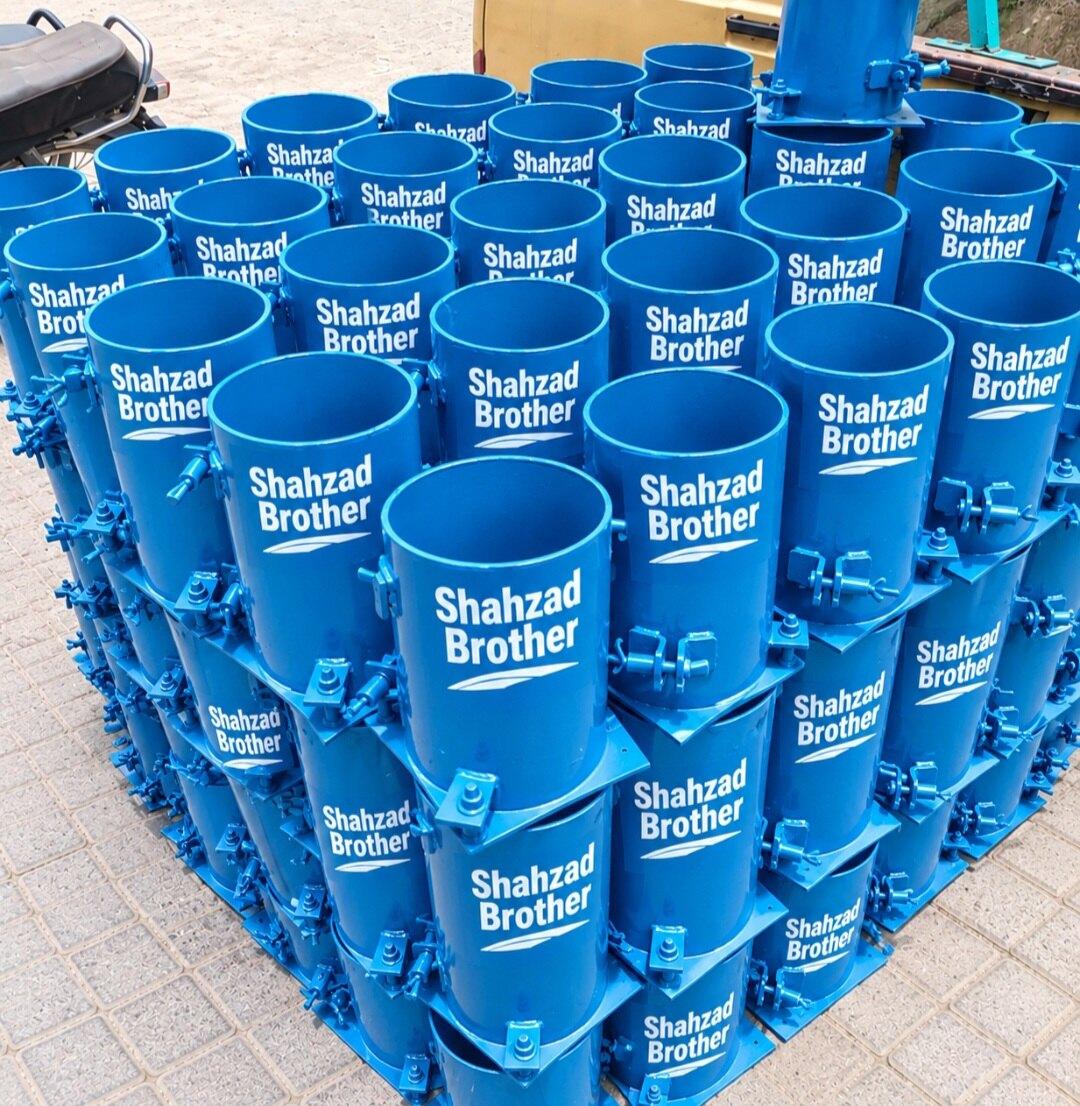
A rolled steel tube split down one side, closed with a clamp or bolts, sitting on a flat steel base plate. The cylinder is released by opening the clamp, not by pulling it out. This is the type in our stock photo, and the workhorse of site labs in Pakistan. A good one lasts many years if it is cleaned the same day.
Cast iron moulds
Heavier, machined, very stable. More common in university and third party labs than on sites. Expensive to move around.
Single use plastic moulds
Thin wall plastic tubes with a fixed bottom and a snap lid, covered by ASTM C470 for single use moulds. The cylinder is released by slitting the mould with a knife or a mould stripping tool, or with compressed air through a hole in the base. No cleaning, no oiling, no bolts. The lid also seals the cylinder during initial curing, which helps in Pakistani heat.
Reusable plastic moulds
Heavier wall plastic, sometimes split. Light, do not rust, cheaper than steel, but they deform with time and heat.
Waxed cardboard moulds
Common in the United States, almost never seen in Pakistan. They swell in monsoon humidity and we do not recommend them here.
What does a concrete cylinder mould cost in Pakistan?
| Mould | Size | 2026 market range per mould (PKR) | Set of 3 (PKR) | Set of 6 (PKR) |
|---|---|---|---|---|
| Steel split mould with base | 150 x 300 mm | 8,000 to 16,000 | 24,000 to 48,000 | 48,000 to 96,000 |
| Steel split mould with base | 100 x 200 mm | 6,000 to 11,000 | 18,000 to 33,000 | 36,000 to 66,000 |
| Cast iron mould | 150 x 300 mm | 14,000 to 25,000 | 42,000 to 75,000 | 84,000 to 150,000 |
| Reusable plastic | 150 x 300 mm | 1,500 to 3,000 | 4,500 to 9,000 | 9,000 to 18,000 |
| Single use plastic with lid | 150 x 300 mm | 500 to 1,200 | Sold in cartons | Sold in cartons |
| Single use plastic with lid | 100 x 200 mm | 300 to 700 | Sold in cartons | Sold in cartons |
These are 2026 market ranges in Pakistan. Single use moulds are mostly imported and track the dollar closely. A 16 mm tamping rod and a rubber mallet add a few thousand rupees. Confirm today's price on WhatsApp, rates move with the exchange rate.
Steel or single use: the arithmetic
A site casting 40 cylinders a week of 150 x 300 mm would use about 2,000 single use moulds a year, at say PKR 800 each: PKR 1.6 million. Twelve steel moulds at PKR 12,000 cost PKR 144,000 once, plus labour to clean and oil them. Single use moulds win when labour is short, when cylinders must travel far before demoulding, or when a lab tests for several sites. Steel wins almost everywhere else.
What tolerances should a cylinder mould meet?
ASTM C470 covers moulds for cylinders. It requires the mould to be watertight, to hold its shape during casting, to have the right diameter and height within tight limits, and to have its base square to its axis. You do not need to quote clause numbers to check a mould; you need a vernier and a try square.
Our field check for steel split moulds: clamp the mould on its base, measure the inside diameter at the top in two directions at right angles. If the two readings differ by more than 1 mm, the mould is oval, and an oval cylinder will not bear evenly however well it is capped. Also stand a try square on the base against the outside of the tube; a visible gap at the top means the tube is leaning.
Other checks:
- Seam closure: no visible gap along the split line when clamped. Grout leaking from the seam leaves a weak stripe down the cylinder.
- Base seating: the tube should sit in its groove or against its stops without rocking.
- Top edge: flat and undented, so the strike off gives a level end.
Why does a worn mould give low results?
A cylinder is crushed end on. The load must spread evenly across the whole end. An oval, dented or leaning mould gives a cylinder that is not a true cylinder, whose ends are not square to its sides. Capping corrects small errors at the ends, but it cannot correct a leaning or oval body, so the cylinder fails early on one side. We have seen whole batches of results recover simply by retiring three dropped moulds.
How they get damaged on Pakistani sites:
- Dropped from a trolley or truck tailgate. The tube dents and goes oval.
- Hammered open. Hardened concrete on the seam makes the clamp stick, so someone hits it.
- Put away wet in the monsoon. Rust pits on the inside face make cylinders stick and tear.
- Plastic moulds in summer sun. Overfilled or left on the slab, they bulge.
Clean steel moulds the same day, oil them lightly, store them assembled. Keep single use moulds boxed and out of the sun.
What we supply
- Cube and cylinder moulds: steel split cylinder moulds in 150 x 300 mm in stock, plus 150 mm cast iron and plastic cube moulds
- Concrete compression testing machine for crushing them
- Slump test cone apparatus, laboratory vibrator and core drill machine
- The full range under civil lab equipment
For the test itself see concrete cylinder test, and for converting between the two specimen types see cube vs cylinder strength. Setting up a new lab? Start with our civil lab equipment list.
Ask for today's price
Tell us the size, the quantity and how many pours a week you sample. We will quote steel moulds by the set and tell you honestly whether single use moulds make sense for your project. Confirm today's price on WhatsApp, rates move with the exchange rate. Get in touch.
What we supply
Equipment covered in this guide
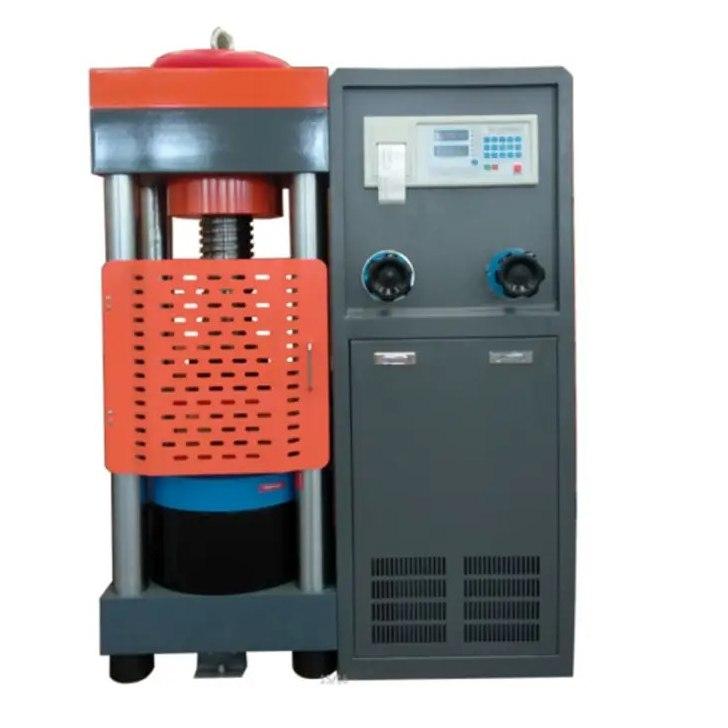
Concrete Compression Testing Machine
The machine every cube result on a project comes off. Supplied with the platens, the cage and a calibration certificate.
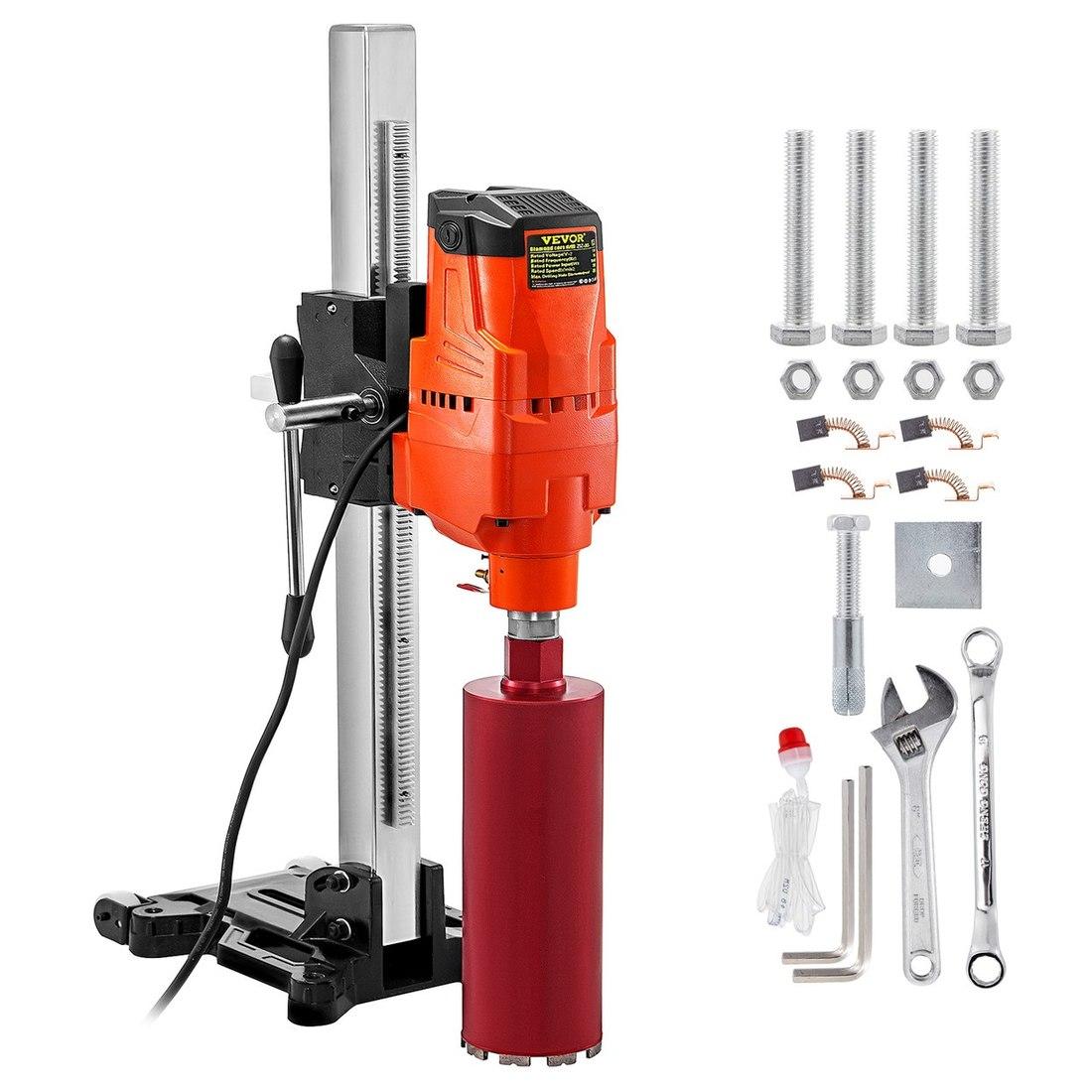
Core Drill Machine
Rig mounted diamond coring for concrete and asphalt cores, with barrels in the usual diameters.
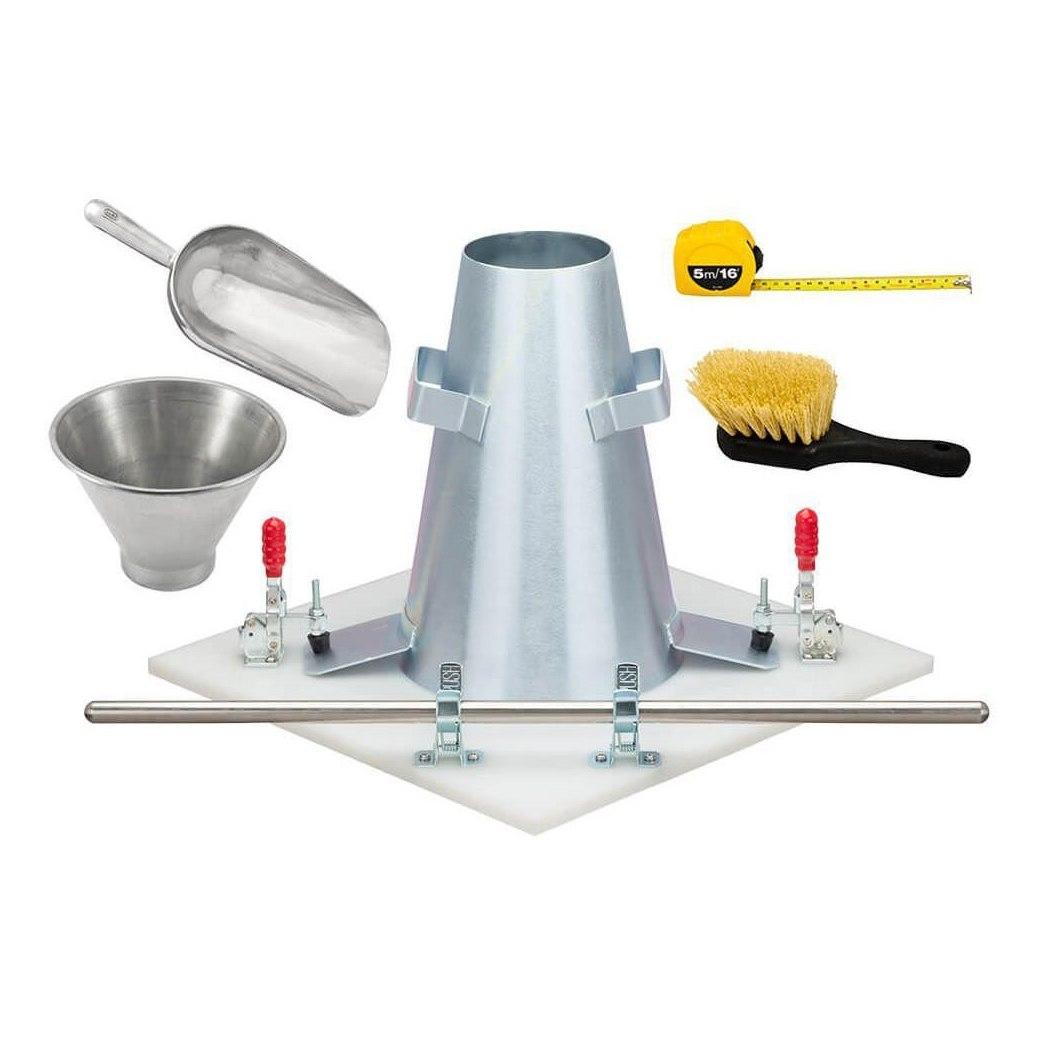
Slump Test Cone Apparatus
Cone, base plate, tamping rod and rule. The first thing a site engineer asks for and the first thing to go missing.
FAQ
Questions buyers ask us
What is the standard size of a concrete cylinder mould in millimetres?
The standard concrete cylinder mould is 150 mm in diameter and 300 mm high, known as the 6 x 12 inch mould. The smaller 100 x 200 mm (4 x 8 inch) mould is also allowed by ASTM C31 when the aggregate is small enough. Height is always twice the diameter.
What is the price of a concrete cylinder mould in Pakistan?
In 2026 a steel split 150 x 300 mm cylinder mould costs about PKR 8,000 to 16,000, a cast iron one more. Single use plastic moulds cost about PKR 500 to 1,200 each for 150 x 300 mm and PKR 300 to 700 for 100 x 200 mm. Confirm today's price on WhatsApp.
Steel or plastic cylinder moulds, which is better?
Steel split moulds cost more once but last years, so they suit a site lab casting the same size every day. Single use plastic moulds avoid cleaning and stripping, and suit large projects casting 50 or more cylinders a week, or remote sites. Over 2 to 3 years steel is usually cheaper.
How many cylinder moulds does a project need?
A strength test needs two 150 x 300 mm cylinders at 28 days, plus usually two for 7 days and one or two spares, so 5 to 6 per sample. Moulds are tied up for about 24 hours, so a site with one pour a day needs about 12 steel moulds and two pours about 24.
Can I use a PVC pipe as a cylinder mould?
Not for acceptance testing. ASTM C470 sets requirements for dimensions, watertightness and rigidity that a cut pipe with a loose base rarely meets. A pipe that is 2 to 3 mm out of round or leaks grout gives a weak, uneven cylinder. For trial mixes at home it is fine; for a consultant, use a proper mould.