FDT test is the field density test used on every road, embankment and building platform in Pakistan to prove a soil layer is compacted. It compares the in-place dry density with the lab maximum dry density, and most specifications ask for 95 to 98 percent. A complete sand cone set costs about PKR 25,000 to 60,000.
On site, nobody says "field density test". The consultant says "FDT on chainage 4+200 tomorrow" and the contractor's lab technician turns up with a jar, a cone, a base plate and a bag of sand. This guide covers what that technician should be doing, how the number is calculated, and why the same layer can pass at 9 am and fail at 2 pm.
What is the FDT test and why is it done?
The FDT test measures how dense a compacted layer of soil actually is, in the ground, after the roller has finished. It answers one question for the engineer: has this subgrade, subbase or base layer been compacted enough to carry the next layer and, eventually, traffic?
A layer that is not dense enough settles. On a road that shows up as rutting and cracking within one monsoon. Under a floor slab or a boundary wall it shows up as cracks along the line of the backfill. The FDT catches it while the layer is still open and can be watered, rolled and retested.
The test has two halves:
- Field half: dig a small hole in the layer, weigh the soil removed, measure the volume of the hole, and take a moisture sample.
- Lab half: the maximum dry density (MDD) of the same material from a Proctor test, usually modified Proctor for roads.
The ratio of the two is the degree of compaction, also called relative compaction.
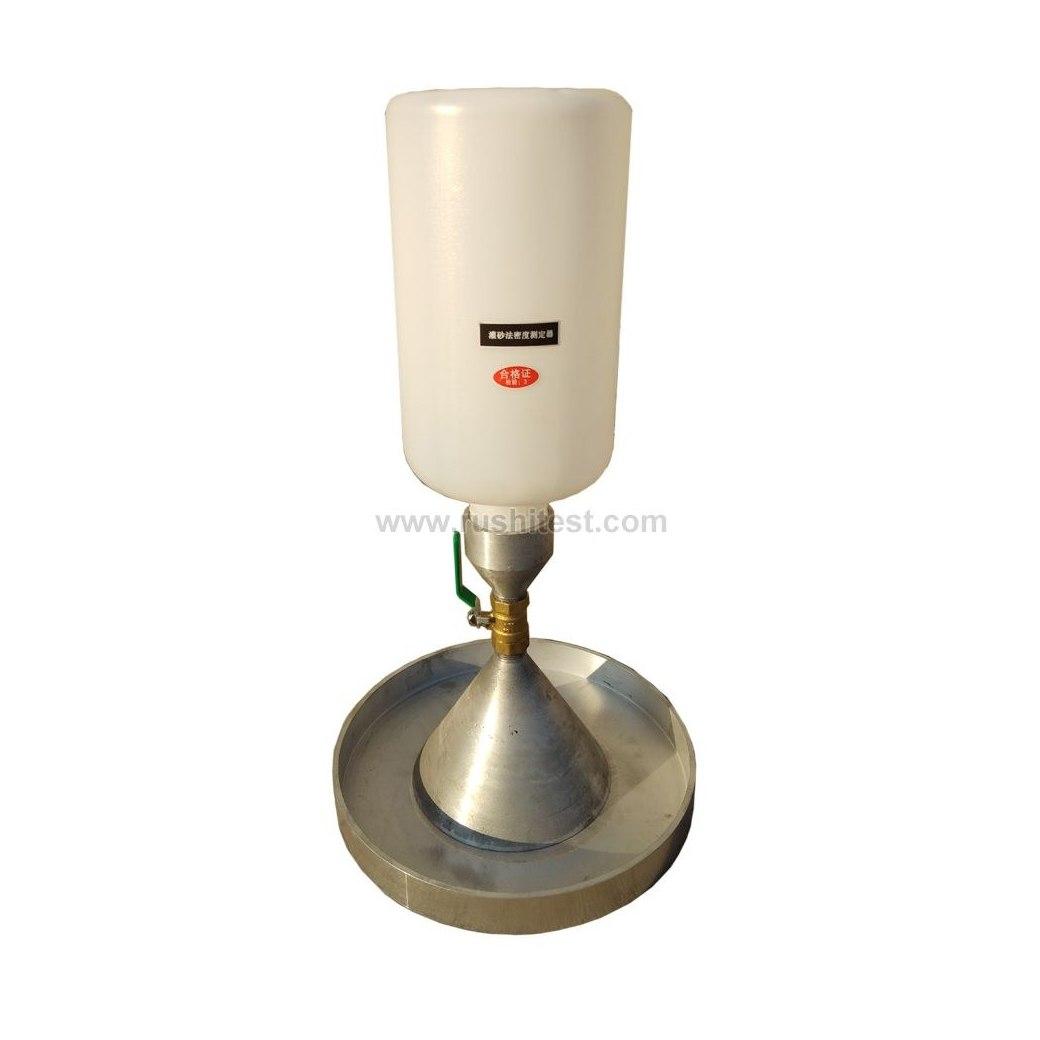
The sand cone method (ASTM D1556, AASHTO T191) and the sand replacement method (BS 1377-9) are the everyday ways to do it in Pakistan. The core cutter and the nuclear gauge are alternatives, compared in field density test methods.
What is in an FDT apparatus and what does it cost?
An FDT set is simple equipment, but every piece matters to the result. Indicative 2026 market ranges in Pakistan:
| Item | What it does | Typical specification | Indicative market price (PKR) |
|---|---|---|---|
| Sand cone with jar | Pours calibrated sand into the hole | 165 mm (6.5 inch) cone, about 4 litre jar | Part of the set |
| Base plate | Fixes the hole edge and the cone seat | Square metal plate with a 165 mm opening | Part of the set |
| Complete FDT set | Cone, jar, plate, calibration container, tools | ASTM D1556 or BS 1377-9 pattern | 25,000 to 60,000 |
| Digital balance | Weighs the jar and the soil | 30 kg capacity, 1 g readability | 40,000 to 120,000 |
| Speedy moisture tester | Moisture on site in minutes | Calcium carbide type, ASTM D4944 | 60,000 to 150,000 |
| Drying oven | Moisture by oven drying | 110 plus or minus 5 degrees Celsius | 90,000 to 250,000 |
Locally fabricated sets sit at the bottom of the range, imported sets at the top. Confirm today's price on WhatsApp, rates move with the exchange rate.
The set is cheap. The balance is where people save money and lose accuracy. A kitchen scale reading to 5 g or 10 g introduces more error on a 1,500 g hole than everything else combined.
FDT test procedure by the sand cone method
This is the field routine most consultants on NHA, provincial highway and CDA work expect to see.
Before you go to site
- Calibrate the sand. Fill a container of known volume through the cone and weigh it. Mass divided by volume is the bulk density of the sand, typically about 1.40 to 1.60 g/cm3.
- Find the cone correction. Place the cone on the base plate on a flat glass or steel surface, open the valve and let it fill. The mass of sand that runs out is the sand needed to fill the cone and the plate opening.
- Weigh the full jar with cone attached and note it.
On the layer
- Level a spot on the compacted surface, seat the base plate firmly and do not move it again.
- Dig a hole through the plate opening to the full depth of the layer, usually 100 to 150 mm. Keep the sides vertical and do not compress the walls.
- Put every gram of loosened soil, including the crumbs, into a sealed bag. Weigh it. This is the wet mass.
- Take a moisture sample from the bag immediately, before the sun takes any water out of it.
- Invert the cone on the plate, open the valve, and let sand fill the hole and cone. Close the valve when it stops flowing, without tapping or vibrating anything.
- Weigh the jar again. Recover the sand from the hole; do not reuse it without sieving and drying.
The arithmetic
- Sand in hole = jar mass before, minus jar mass after, minus cone correction
- Hole volume = sand in hole divided by sand bulk density
- Wet density = wet soil mass divided by hole volume
- Dry density = wet density divided by (1 + moisture content as a decimal)
- Degree of compaction = dry density divided by lab MDD, multiplied by 100
A worked example from a subbase layer: the jar loses 3,150 g, the cone correction is 1,550 g, so 1,600 g went into the hole. With sand at 1.45 g/cm3 the hole is 1,103 cm3. Wet soil weighed 2,350 g, so wet density is 2.130 g/cm3. At 7.5 percent moisture the dry density is 1.981 g/cm3. Against a modified MDD of 2.05 g/cm3, compaction is 96.6 percent. That passes a 95 percent requirement and fails a 98 percent one.
How do you determine 95 percent compaction?
You multiply the lab MDD by 0.95, and that is the minimum field dry density the layer must reach. If modified MDD is 2.10 g/cm3, 95 percent is 1.995 g/cm3 and 98 percent is 2.058 g/cm3.
Typical targets on Pakistani road jobs, set by NHA specifications and the consultant's particular specification, fall in these ranges:
- Embankment fill: commonly 90 to 95 percent of MDD, depending on depth below formation.
- Subgrade, top 150 to 300 mm: commonly 95 to 100 percent of modified MDD.
- Subbase and aggregate base: commonly 98 to 100 percent of modified MDD.
- Building backfill and housing society roads: often 95 percent of standard or modified MDD, whatever the consultant writes.
Always check which Proctor the specification refers to. 95 percent of standard Proctor is a much easier target than 95 percent of modified, because modified MDD is higher.
What if the result is more than 100 percent?
It happens, and it is not always wrong. A heavy vibratory roller on granular base can exceed the laboratory energy and give 100 to 102 percent. Beyond about 103 percent, look for a fault: a Proctor run at standard effort when the spec wants modified, a Proctor done on a different borrow source, a large stone sitting in the hole, or sand that was damp.
Why FDT results go wrong on Pakistani sites
Most disputed FDTs are not compaction problems. They are test problems.
Damp calibration sand makes a loose layer pass. Sand that picks up even 1 percent moisture in monsoon humidity bulks: it fills the hole at a lower density than its calibrated value, so less mass runs out, the calculated volume shrinks and the field density comes out high. Keep test sand oven dried in sealed tins, and recalibrate its bulk density whenever you open a new batch or the season changes. We have seen a whole kilometre of subbase pass on sand that had been stored in a shed through August.
Other common faults:
- Shallow holes. A hole dug only through the top 75 mm of a 150 mm layer tests the best compacted part and misses the loose bottom.
- Moisture sample left in the sun. At 40 degrees and above in Sindh and south Punjab, an open sample loses moisture in minutes and pushes the dry density up.
- Vibration during pouring. A roller or dumper passing within 10 metres while the sand is running packs extra sand into the hole, overstates the volume and fails a layer that may be fine.
- Wrong MDD. Borrow material changes. If the subbase now comes from a different crusher, the old Proctor value no longer applies.
- Base plate moved. If the plate shifts after digging, the cone correction no longer matches.
If a layer fails, the fix is usually water and more passes of the plate compactor or road roller, not a retest in a different spot.
What we supply
We supply the complete field and lab kit for compaction control from Rawalpindi to sites across Pakistan:
- FDT test set apparatus, sand cone pattern with base plate and calibration container
- Laboratory digital balance, 30 kg by 1 g for field weighing
- Speedy moisture tester for moisture on site
- Hot air drying oven for oven moisture and drying test sand
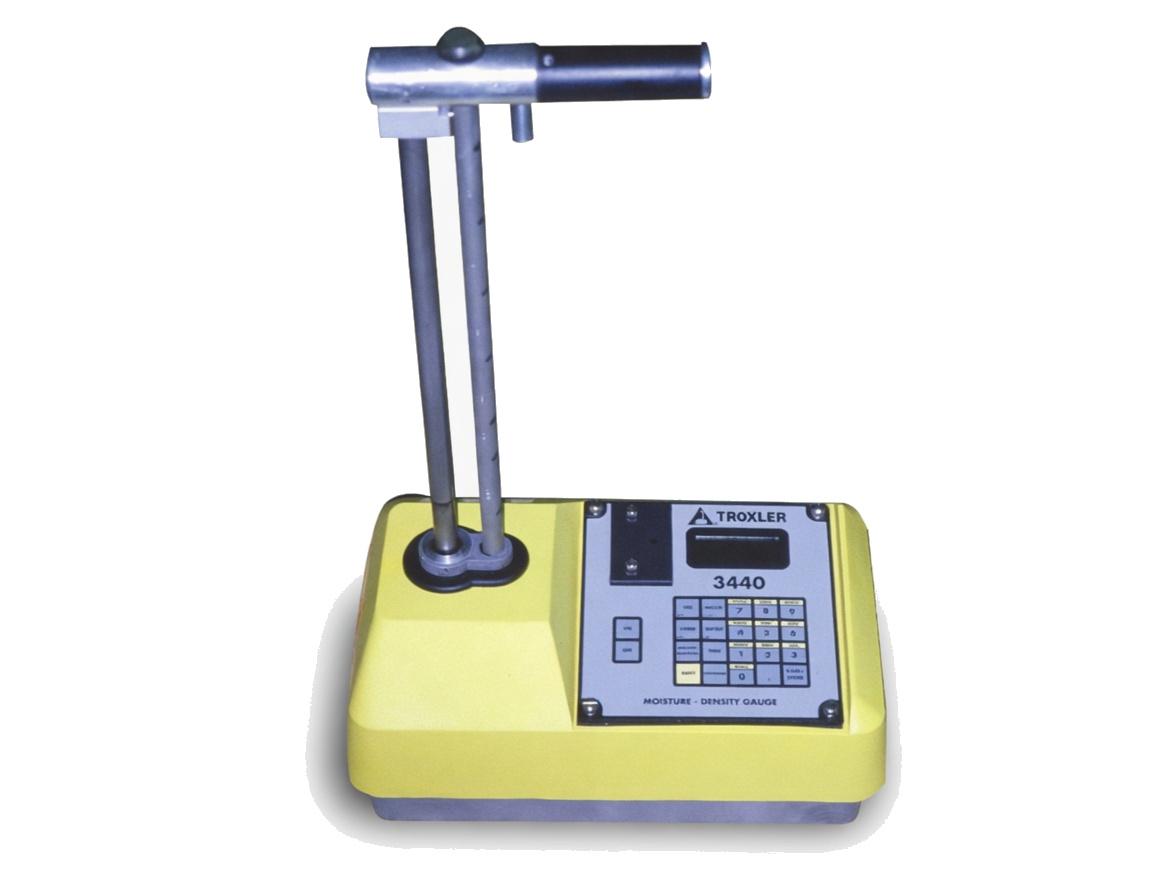
- Troxler moisture density gauge for high test volumes, subject to licensing
- Compaction plant: Mikasa plate compactor and the wider small machinery range
For the full lab picture see our civil lab equipment list and the civil engineering lab equipment category.
Ask for today's price
Tell us whether your consultant wants the ASTM sand cone or the BS sand replacement pattern, and how many tests a day you expect. We will put together the set, the balance and the moisture equipment to match. Send us a WhatsApp for today's price.
What we supply
Equipment covered in this guide
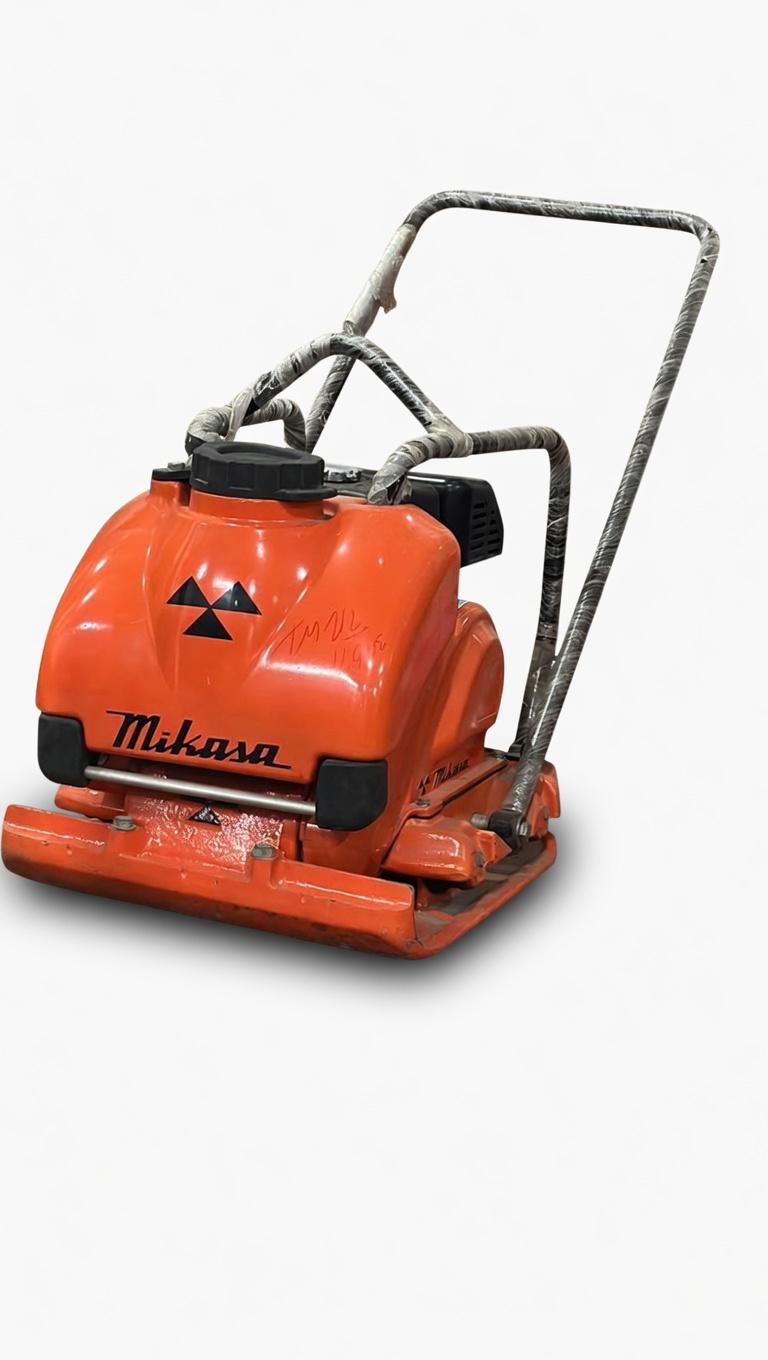 Mikasa
 Plate Compactor
Forward plate compactor with a water tank for asphalt work. Japanese build, and the one crews ask for by name.
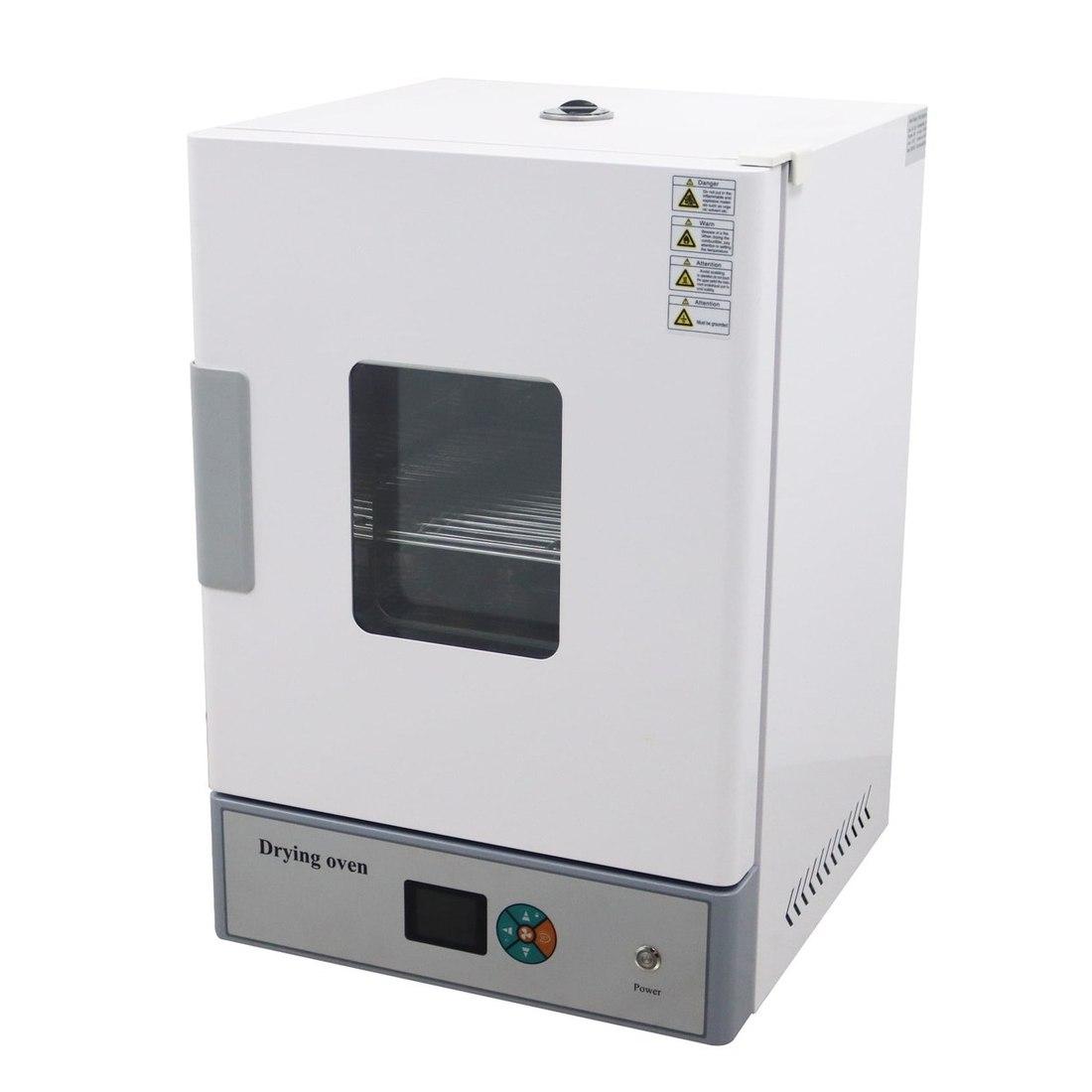
Hot Air Drying Oven
Forced convection ovens for moisture content and sample preparation, in the standard laboratory capacities.
FDT Test Set Apparatus
Sand replacement field density kit: cylinder, cone, base plate and calibrated sand, for compaction acceptance.
FAQ
Questions buyers ask us
What is the FDT test in construction?
FDT is the field density test. It measures the dry density of a compacted soil layer in place and compares it with the laboratory maximum dry density from a Proctor test. The result is the degree of compaction, and most road specifications in Pakistan ask for 95 to 98 percent of modified MDD.
How do you calculate degree of compaction from an FDT?
Divide the field dry density by the laboratory maximum dry density and multiply by 100. A field dry density of 1.98 g/cm3 against a modified MDD of 2.05 g/cm3 gives 96.6 percent. Field dry density is wet density divided by 1 plus the moisture content as a decimal.
What sand is used for the sand cone test?
ASTM D1556 calls for clean, dry, free-flowing, uniformly graded sand with almost nothing passing the 75 micron sieve or retained on the 2 mm sieve. Its bulk density must be calibrated before use, and again whenever a new batch is opened. Most sites use washed Ravi or Chenab sand, oven dried and sieved.
What does 98 percent compaction mean?
It means the field dry density is 98 percent of the maximum dry density achieved in the laboratory Proctor test. If modified MDD is 2.10 g/cm3, the layer must reach at least 2.058 g/cm3 in place. Base course and the top of subgrade often carry this higher target.
Can an FDT result be more than 100 percent?
Yes. Results of 100 to 103 percent happen when heavy rollers exceed the laboratory effort or the Proctor was run at standard instead of modified energy. Above about 103 percent, suspect damp calibration sand, oversize stones in the hole or a Proctor done on a different material.
What is the price of an FDT apparatus in Pakistan?
In 2026 a sand cone or sand replacement FDT set sells for about PKR 25,000 to 60,000 in the Pakistani market, depending on locally made or imported parts. A 30 kg balance adds PKR 40,000 to 120,000. Confirm today's price on WhatsApp, rates move with the exchange rate.