E-Survey GNSS receiver price in Pakistan in October 2026 is roughly PKR 800,000 to 1,300,000 for a single rover such as the E300 Pro, and PKR 1,500,000 to 2,500,000 for a base and rover set with a controller. These are indicative market ranges that move with the exchange rate; we quote on WhatsApp.
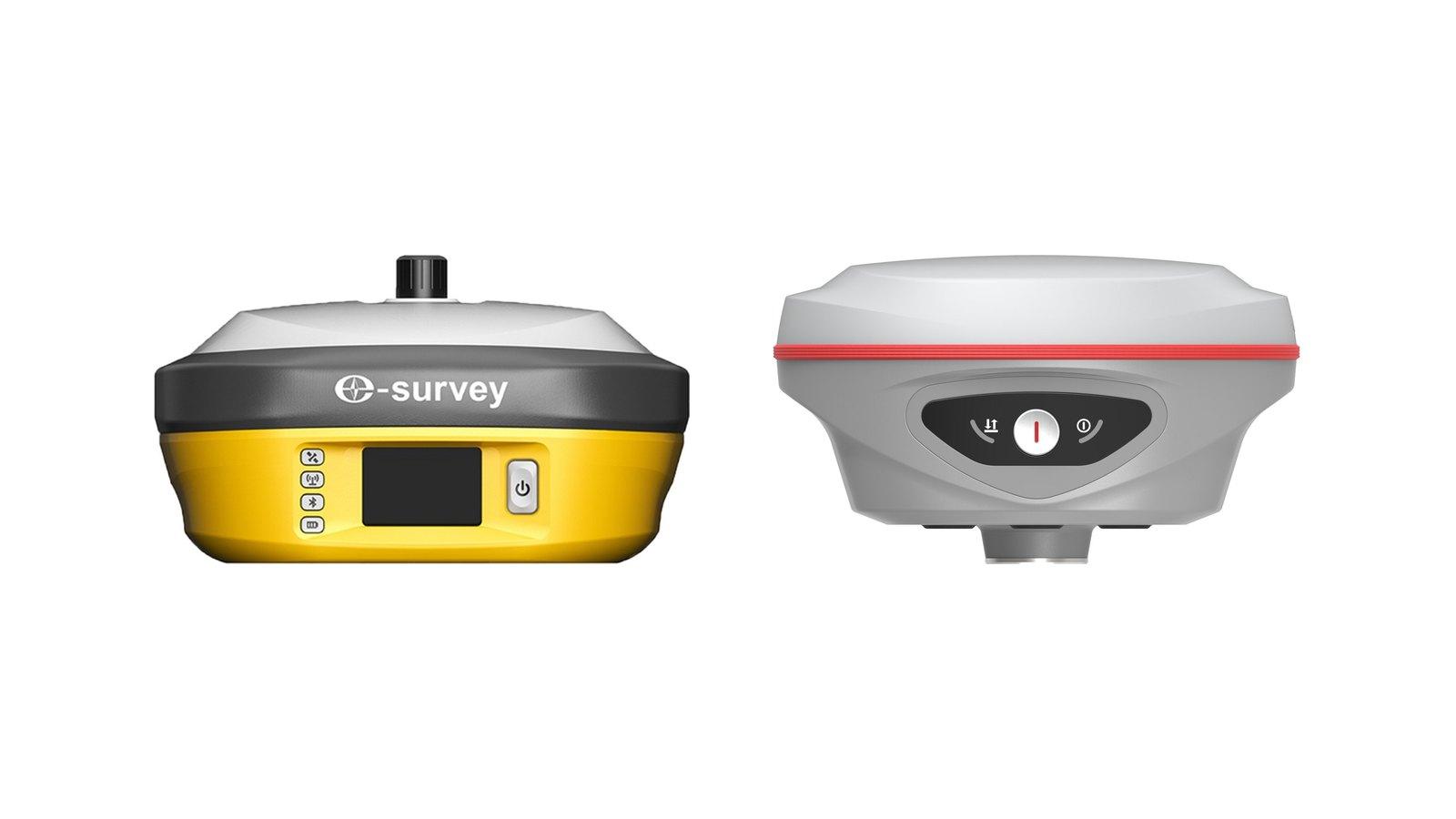
eSurvey GNSS is a Shanghai manufacturer of GNSS receivers, in the same Chinese tier as Kolida, South and Hi-Target. We supply three of their models, chosen to cover the jobs Pakistani crews actually do: a light rover, a rover that never needs switching off, and a base with a radio strong enough to leave the external one in the store.
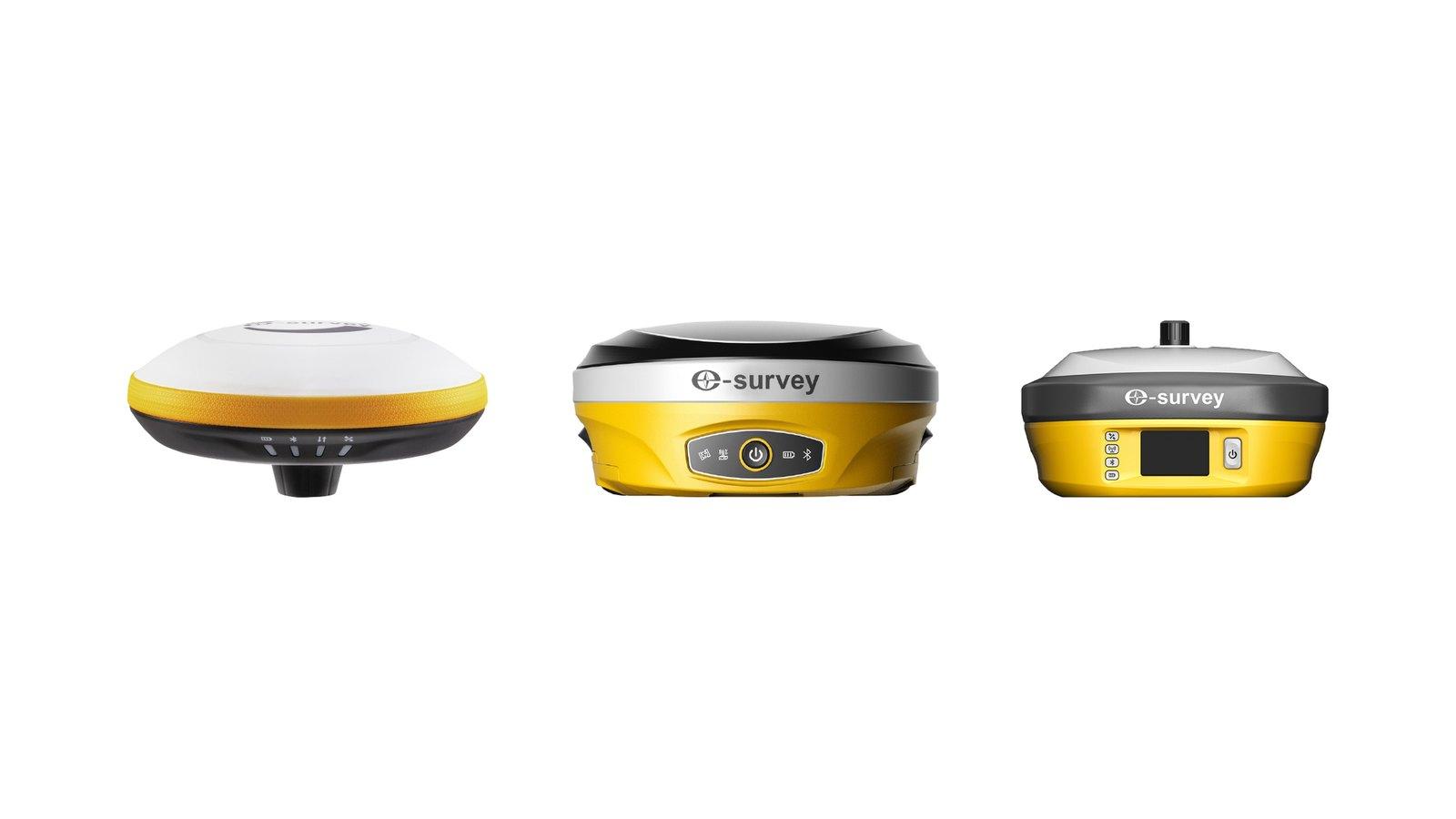
The three E-Survey models we supply
[E-Survey E300 Pro](/products/esurvey-e300-pro-gnss-receiver): the rover. 940 grams, 158 by 53 mm, 1,408 channels across GPS, BeiDou, GLONASS, Galileo, QZSS and NavIC. A MEMS tilt sensor lets you measure with the pole leaning up to 60 degrees. The built in 6,800 mAh battery runs up to 24 hours as a rover. IP68, survives a 1.2 metre drop. This is the one to carry all day.
[E-Survey E600](/products/esurvey-e600-gnss-receiver): the rover that never stops. Same engine and tilt, but two removable 3,400 mAh batteries that swap while the receiver keeps running, up to 22 hours on a pair. 8 GB of memory plus a TF card slot to 32 GB. 1.3 kg. Built for the crew on a long road or canal job that does not come back to the vehicle at lunch.
[E-Survey E800](/products/esurvey-e800-gnss-receiver): the base. The difference is the radio: 5 W built in, 8 to 10 km typical range and up to 15 km in good conditions. A 13,600 mAh battery runs up to 40 hours, there is 32 GB of memory for long static sessions, and a 1.45 inch colour touchscreen lets you set the base up on the tripod without a controller. 1.5 kg, IP67.
How much does each cost in Pakistan?
Indicative market ranges, October 2026. Confirm today's price on WhatsApp, rates move with the exchange rate.
| Model | Role | Weight | Battery | Internal radio | Indicative market price (PKR) |
|---|---|---|---|---|---|
| E300 Pro | Rover | 940 g | Up to 24 h | 2 W, 3 to 5 km typical | 800,000 to 1,300,000 |
| E600 | Rover, hot swap | 1,300 g | Up to 22 h, 2 packs | 2 W, up to 15 km | 900,000 to 1,400,000 |
| E800 | Base or rover | 1,500 g | Up to 40 h | 5 W, 8 to 10 km typical | 1,000,000 to 1,500,000 |
| E800 base and E300 Pro rover set | Full RTK system | 1,500,000 to 2,500,000 with controller |
All three share the same accuracy, from eSurvey's datasheets: RTK 8 mm plus 1 ppm horizontal and 15 mm plus 1 ppm vertical, static 2.5 mm plus 0.1 ppm horizontal. What you pay for between them is weight, battery and radio, not precision.
Which E-Survey receiver should you buy?
For most firms the right purchase is a pair: an E800 as the base and an E300 Pro as the rover. The E800's 5 W radio is the point. A typical base and rover set needs an external radio, its own battery, a whip antenna and a mast to reach beyond 3 to 5 km, and that is another box, another charger and another thing to forget. With the E800 the radio is inside the receiver.
Choose the E600 instead of the E300 Pro if your crews work long linear jobs, roads, canals, transmission lines, where nobody returns to the vehicle until evening. Hot swap batteries mean a spare in the pocket rather than a dead receiver at four o'clock.
Choose a single E300 Pro only if you have confirmed a reliable CORS network where you work. Coverage around Islamabad, Lahore and Karachi is reasonable in 2026; in KP, Balochistan and rural Sindh it is not, and a rover without a base is a paperweight there.
E-Survey vs Kolida: which is better?
We supply both, so this is the honest version.
| E-Survey | Kolida | |
|---|---|---|
| Channels | 1,408 | 1,598 to 1,698 on current K series |
| RTK accuracy | 8 mm + 1 ppm H | 8 mm + 0.5 ppm H on K6 and K7 |
| Tilt | 60 degrees, MEMS | 60 degrees, calibration free IMU |
| Strongest internal radio | 5 W on the E800 | Up to 3 W on the K30 Pro |
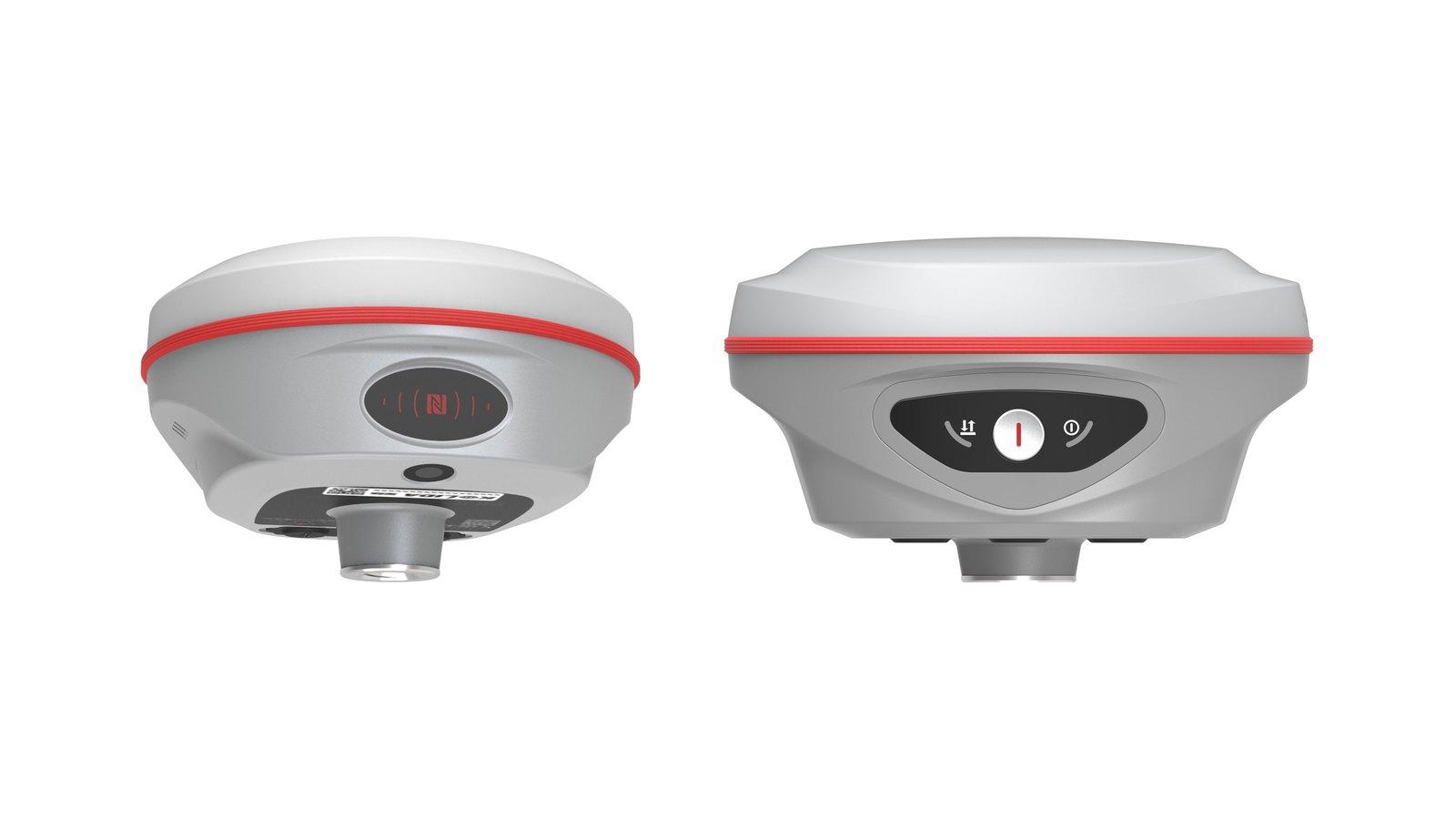
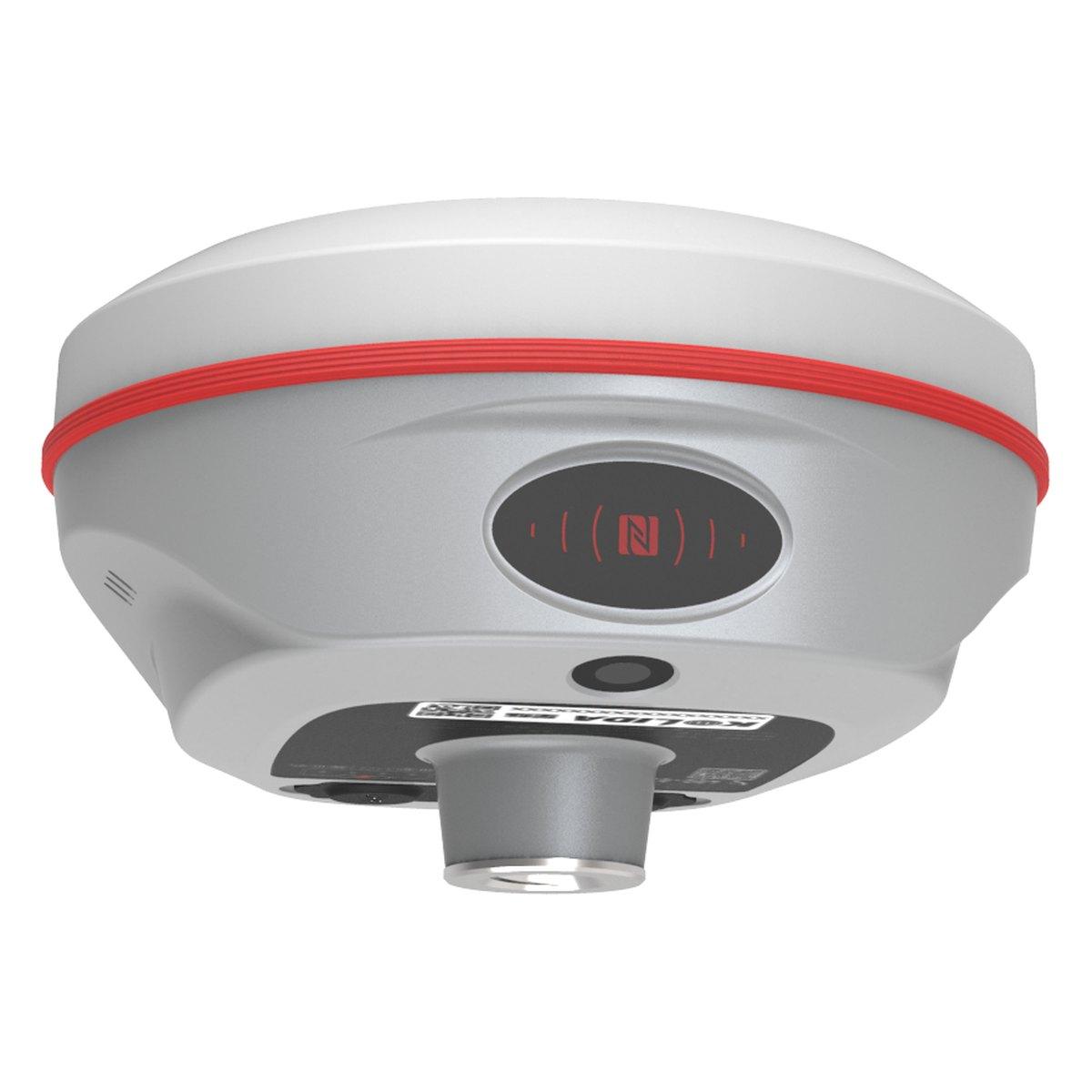
| Lightest rover | E300 Pro, 940 g | K9s, 790 g |
| Range in Pakistan | Three models from us | Nine models from K6 to K60 MAX, plus SLAM RTK |
The short version: the E800 is the better base because of its radio; the Kolida K9s and K6 are lighter rovers, and Kolida has the wider range in Pakistan and more crews already trained on its software. Many firms mix them: the receivers speak the same RTCM corrections, so an E800 base will drive a Kolida rover and the other way round. Our Kolida GNSS receiver guide covers that range in detail.
What to check before you buy any GNSS receiver in Pakistan
- Heat. All three E-Survey models are rated to 65 degrees operating. In June in Sukkur a receiver on a pole reaches 60. A receiver rated to 55 will shut down; check the plate.
- Dust. IP68 on the E300 Pro and E600, IP67 on the E800. Both are dust tight. Do not accept less.
- Radio protocol. If you already own a base or a radio, check the protocol list. E-Survey speaks TrimTalk, South, Satel, Hi-Target and others, so it fits most existing kit.
- Coordinate system. The controller software must handle UTM zones 42 and 43 and a site calibration from your own control points. Ask for a demo with your coordinates before you pay.
- Support. The first week of any GNSS system brings the same three questions: the base will not transmit, the rover will not fix, the coordinates are 200 metres off. Make sure someone in Pakistan answers the phone.
What we supply
Receivers are under GPS & GNSS systems:
- E-Survey E300 Pro GNSS receiver: the light rover.
- E-Survey E600 GNSS receiver: hot swap batteries.
- E-Survey E800 GNSS receiver: 5 W radio base.
- Kolida K9s GNSS receiver: the lightest Kolida rover.
- GNSS rover rod and bipod: for the rover.
For the full market picture across brands, read RTK GPS and GNSS receiver price in Pakistan, and if a tender asks for DGPS, read DGPS price in Pakistan first.
Ask for today's price
Tell us where you work, whether there is CORS coverage there, and whether you need a base, a rover or both. We will quote the set honestly, set up the radio link and coordinate system on delivery, and train the crew. Send us a WhatsApp for today's E-Survey price, stock and delivery across Pakistan.
What we supply
Equipment covered in this guide
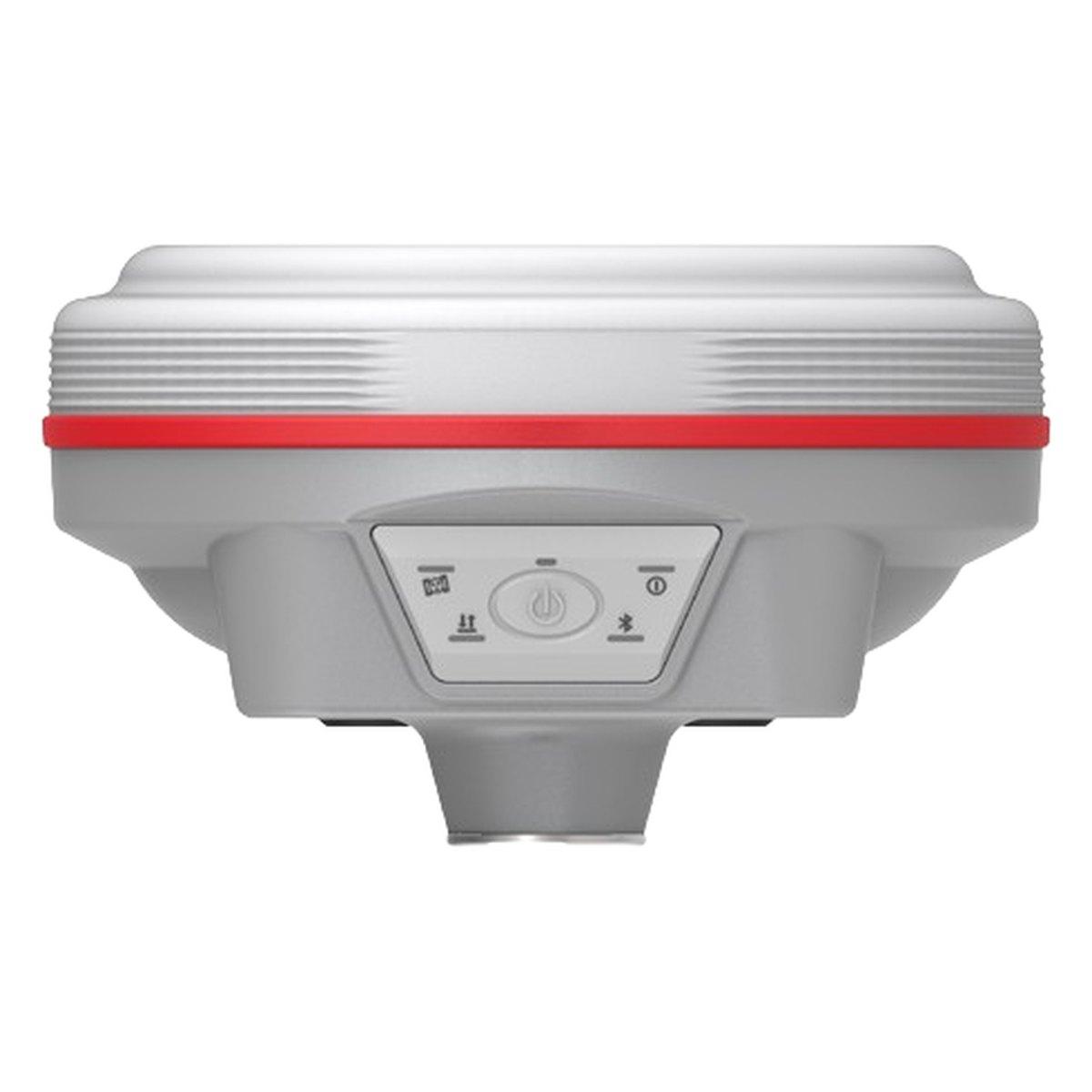 KolidaK9s
Kolida K9s GNSS RTK Receiver
1698 channels, 790 grams and twenty five hours in rover mode. The long day receiver.
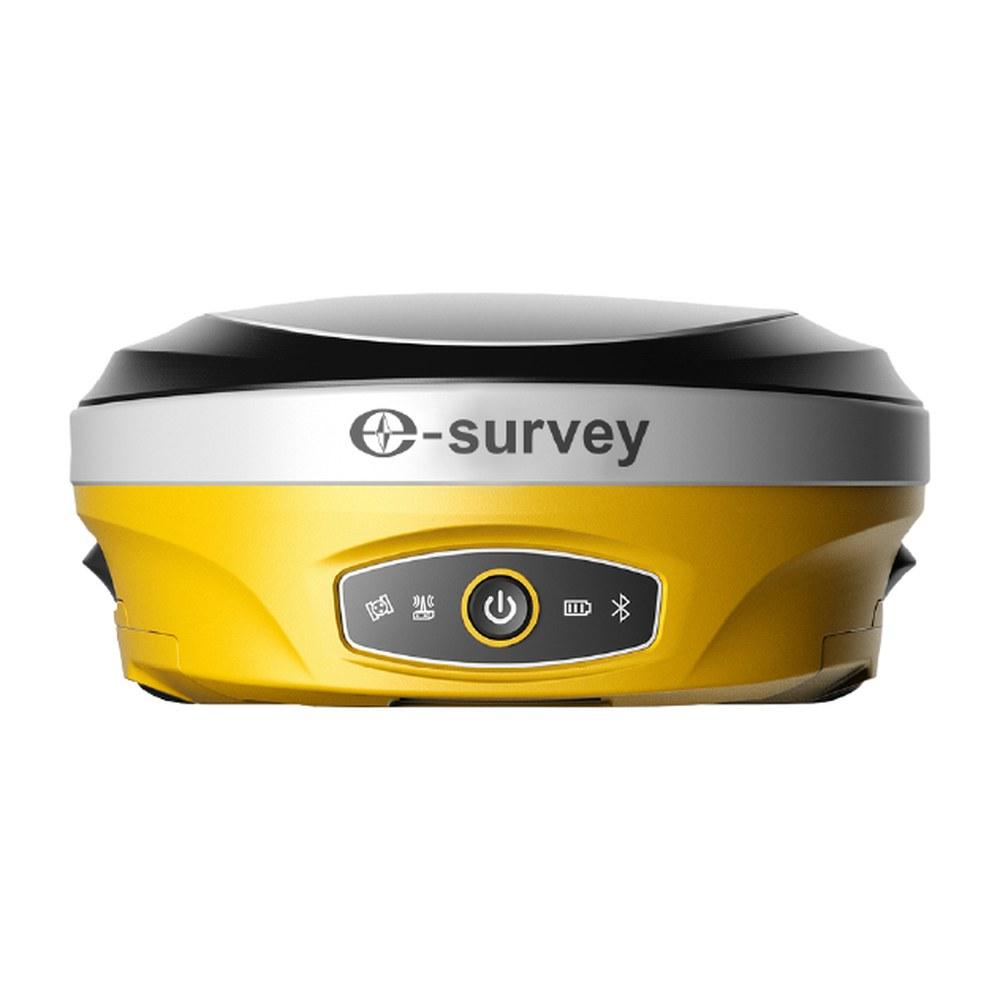 E-SurveyE600
E-Survey E600 GNSS RTK Receiver
Two hot swappable batteries, so the receiver never has to come off the pole, plus 1408 channels, 60 degree tilt and a 2 W radio good to 15 km.
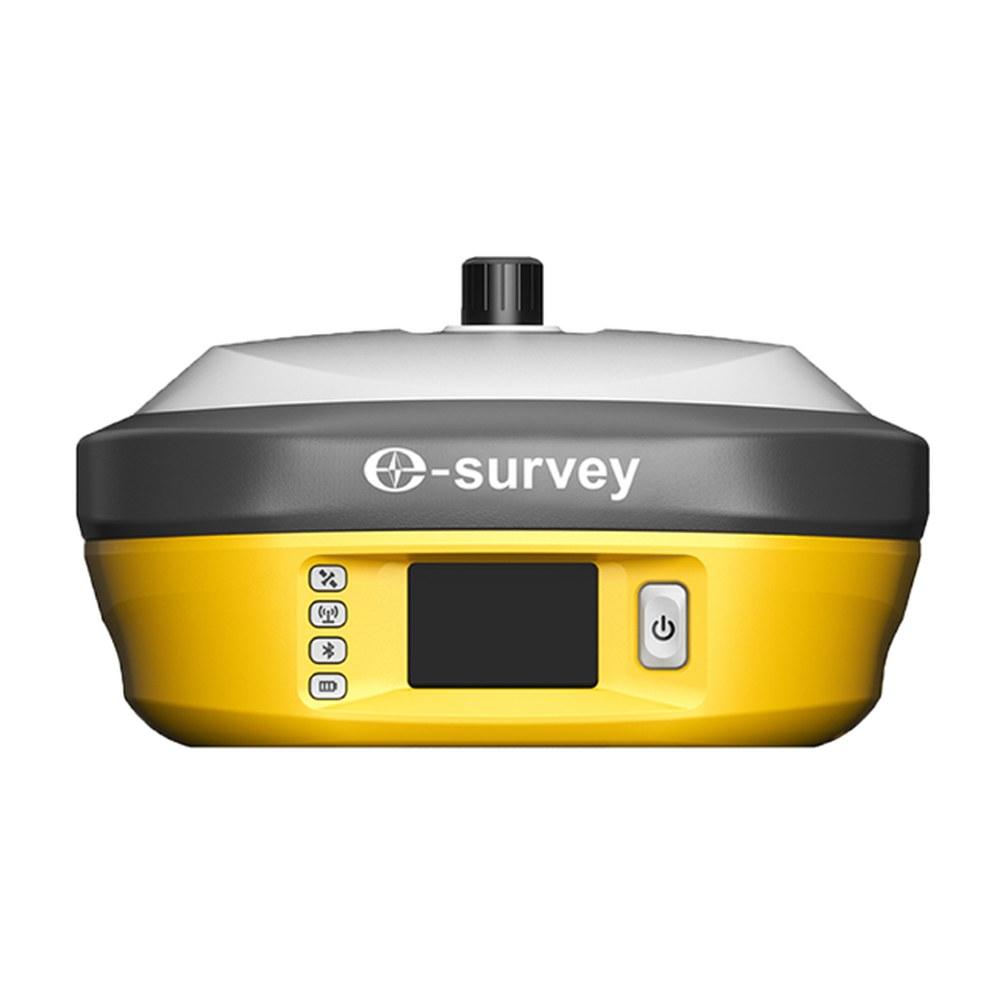 E-SurveyE800
E-Survey E800 GNSS RTK Receiver
A 5 W internal radio good for 8 to 10 km without an external set, a 13600 mAh battery that runs up to 40 hours, and a colour touchscreen.
FAQ
Questions buyers ask us
What is the price of an E-Survey GNSS receiver in Pakistan?
In October 2026 a single E-Survey rover such as the E300 Pro sells for roughly PKR 800,000 to 1,300,000 in the Pakistani market, and a base and rover set with controller for about PKR 1,500,000 to 2,500,000, depending on the models and the exchange rate. These are market ranges; we quote on WhatsApp.
Which E-Survey GNSS receiver should I buy?
The E300 Pro as a rover: 940 grams, up to 24 hours on its battery, 60 degree tilt. The E800 as a base: its 5 W internal radio reaches 8 to 10 km without an external radio. The E600 suits crews who want hot swappable batteries so the receiver never comes off the pole.
Is E-Survey better than Kolida?
They are close. Both are Chinese built, track all constellations on over 1,400 channels, give about 8 mm plus 1 ppm RTK accuracy and offer 60 degree tilt. E-Survey's E800 has the stronger internal radio; Kolida has a wider range in Pakistan and more crews already trained on its software. Choose by the job and the support behind it.
How accurate are E-Survey receivers?
From eSurvey's own datasheets: RTK 8 mm plus 1 ppm horizontal and 15 mm plus 1 ppm vertical, high precision static 2.5 mm plus 0.1 ppm horizontal and 3.5 mm plus 0.4 ppm vertical. Initialisation is under 5 seconds with reliability above 99.9 percent.
Does E-Survey work with network RTK and CORS in Pakistan?
Yes. All three models carry a 4G modem and accept RTCM 3.x and CMR corrections, so they work with a CORS network where coverage exists, and with your own base over UHF radio where it does not. Most Pakistani crews use both.