Safety jacket price in Pakistan starts at about PKR 220 to 450 for a basic mesh reflective vest, rises to PKR 450 to 2,000 for knitted and multi-pocket vests, and reaches PKR 2,500 to 6,000 for an EN ISO 20471 certified jacket in 2026. The reflective tape decides whether any of them work at night.
A reflective safety jacket is bought by the hundred: road contractors, NHA and CDA works, housing society security, warehouses, event companies and factories all issue them. Because the cheapest vest and a good one look the same in a shop under fluorescent lights, the buying mistake is invisible until a driver fails to see a worker at dusk. This guide covers grades, tape, sizes, what the heat does and what washing does.
How much does a safety jacket cost in Pakistan?
| Grade | Fabric | Reflective tape | Typical use | Indicative market price (PKR per piece) |
|---|---|---|---|---|
| Basic mesh vest | 60 to 80 GSM open mesh | 25 to 50 mm printed or PVC | Events, short visits | 220 to 450 |
| Knitted vest | 100 to 120 GSM tricot | 50 mm glass bead tape | Daily site and road work | 450 to 900 |
| Multi-pocket vest | 120 GSM with zip and pockets | 50 mm glass bead tape | Surveyors, supervisors | 900 to 2,000 |
| Long sleeve or lined jacket | Polyester, lined for winter | 50 mm glass bead tape | Night work, winter, northern areas | 1,800 to 4,500 |
| Certified branded | EN ISO 20471 class 2 or 3 | Branded tape such as 3M Scotchlite | Multinational and consultant led sites | 2,500 to 6,000 |
These are 2026 market ranges. Bulk cartons of 100 or 200 pieces come in under the single piece rate. Confirm today's price on WhatsApp, rates move with the exchange rate.
What is the difference between a safety vest and a reflective jacket?
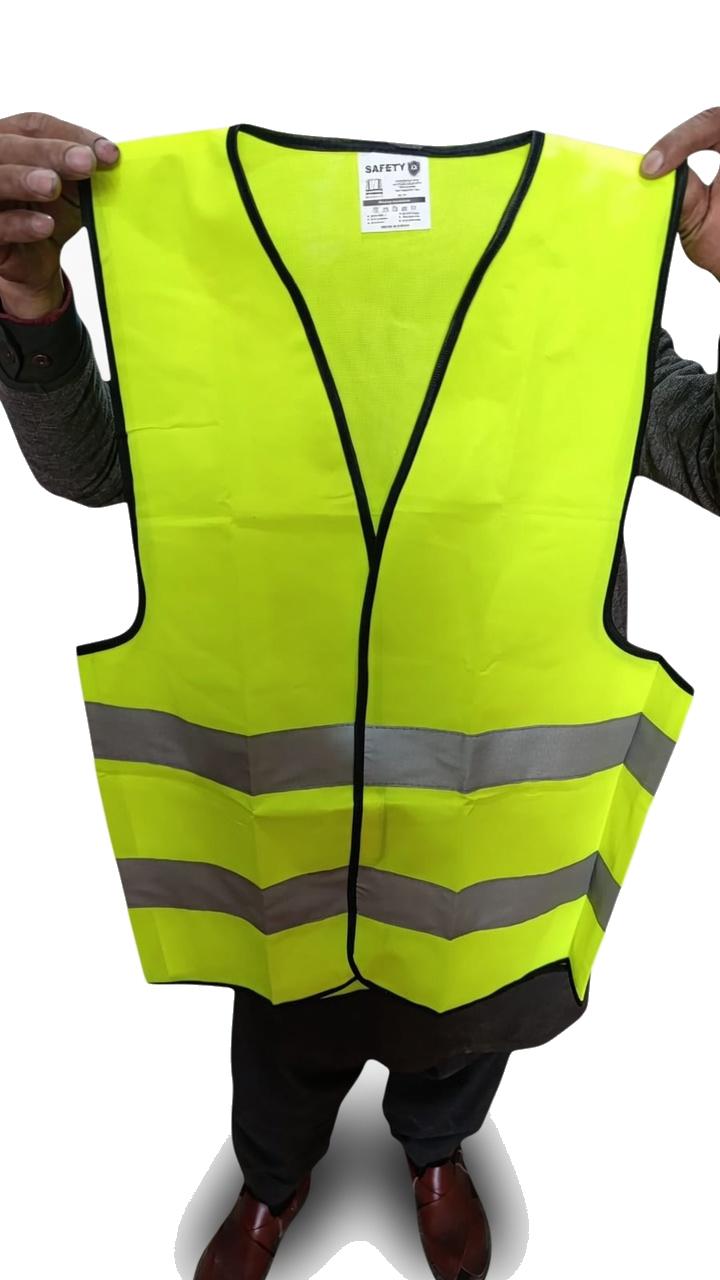
The words are used loosely. A safety vest is sleeveless and goes over a shirt or kameez. A safety jacket has sleeves, sometimes a lining, and is what night crews on the motorway wear from December to February. Either is only high visibility if it has two parts:
- Fluorescent background fabric, usually yellow (lime) or orange, which is what you see by day and at dusk
- Retroreflective tape, which bounces headlight beams back to the driver at night
A plain yellow kurta with a strip of shiny tape is neither.
What EN ISO 20471 means
EN ISO 20471 is the standard that most consultants name for high visibility clothing. It sets the colour and brightness of the fluorescent fabric, the performance of the reflective tape, and the minimum areas of each. Garments are graded class 1, 2 or 3, with class 3 having the most material and suiting high speed roads. A vest is normally class 2 at most; class 3 needs sleeves or trousers. A genuine certified garment carries a label with the standard, the class and a pictogram. A vest that only says "reflective" carries no promise at all.
What should you check before buying in bulk?
Bulk orders go wrong on tape, fabric weight and size. Our checks, in order:
- The torch test. In a dark room or at night, hold a phone at eye level with the flash on and take a photo of the vest from 10 metres. Good glass bead tape blazes white in the picture. Weak printed tape shows as dull grey. This one photo sorts cartons faster than any label.
- The wash test. Wash one sample five times in a normal machine at 40 degrees, then repeat the torch test. Printed tapes often fail by the fifth wash.
- Fabric weight. Hold the vest up to light. Very open mesh at 60 GSM tears on the first nail and fades quickly. For daily site wear, ask for 100 to 120 GSM.
- Zip or velcro. Velcro clogs with cement dust within weeks. A plastic zip, or a breakaway velcro only where entanglement is a risk near machinery, lasts longer.
- Tape stitching. Tape should be sewn on all edges, not glued. Glued tape peels in the heat.
Sizes
Vests run in M to XXXL. For a mixed Pakistani labour crew, order 20 percent M, 40 percent L, 30 percent XL and 10 percent XXL, and size one up if workers wear the vest over a winter jacket. A vest that is too tight is unzipped and left flapping, which ends both the visibility and the protection.
Carton quantities and lead times
Basic and knitted vests usually pack 100 or 200 pieces to a carton, folded flat in polybags; jackets with sleeves pack 50 to 100. Stock colours in standard sizes are normally available from the shelf. Custom work takes longer: printed backs need about 5 to 10 working days, and special colours, extra tape bands or a different cut made to order can take 2 to 4 weeks. If a project starts on a fixed date, such as a motorway lane closure approved for a given night, order the plain vests first and the printed ones second, so nobody works the first shift without a vest.
Keep 10 to 15 percent spare in the store. Vests tear on rebar, get left in vehicles and walk off site at the end of a contract.
How does the Pakistani climate affect reflective jackets?
Two things wear a vest out faster here than in the catalogue.
Sun. UV light fades fluorescent dye. A yellow vest worn daily on a summer road crew can turn from lime to pale lemon within four to six months. At that point it still looks yellow but has lost the fluorescence that makes it stand out at dusk. Replace by colour, not by holes.
Heat. Full fabric jackets are hot in June. Crews take them off. For summer daywork, a breathable knitted vest at 100 to 120 GSM gets worn; a heavy jacket goes in the vehicle. Plan two items per worker if your site runs through the year: a vest for April to October and a lined jacket for winter nights.
Dust and cement also dull the tape. A weekly wash restores most of it, which is why wash life matters more than the first-day shine.
Printing your company logo
Back printing is the norm for contractors, housing societies and event companies. Screen printing suits runs above 50 to 100 pieces and adds about PKR 30 to 120 a piece; heat transfer suits smaller runs and multi-colour logos. Keep the print between the tape bands, never on the tape itself. For large sites, printing a role on the back, such as SAFETY, SURVEY or TRAFFIC, saves supervisors a lot of shouting.
Which jacket for which job?
- NHA and motorway works, night lane closures: class 3 orange or lime jackets with sleeves, worn with traffic cones set out to the approved plan. See our traffic cone price guide.
- Building sites in Islamabad, Rawalpindi and Lahore: 120 GSM knitted vests with 50 mm tape.
- Surveyors and supervisors: multi-pocket vests with a phone pocket and pen holders, in a different colour from labour.
- Warehouses and factories: lighter vests, often orange, to separate pedestrians from forklift lanes.
- Events and marathons: basic mesh vests, printed, bought once for the day.
What we supply
We supply reflective jackets and vests by the piece and the carton, with back printing on request:
- Reflective safety jackets in vest, multi-pocket and jacket styles
- Safety helmets and safety shoes; see the safety helmet price guide and safety shoes price guide
- Reflective traffic cones and barricade tape for the work zone, see our barricade tape guide
- A site PPE kit and the complete construction PPE list
- The range under safety products
Ask for today's price
Send us the quantity, the colour, the sizes, and your logo if you want back printing. We will quote basic, knitted and certified grades side by side so you can compare wash life and price. Send us a WhatsApp for today's price.
What we supply
Equipment covered in this guide
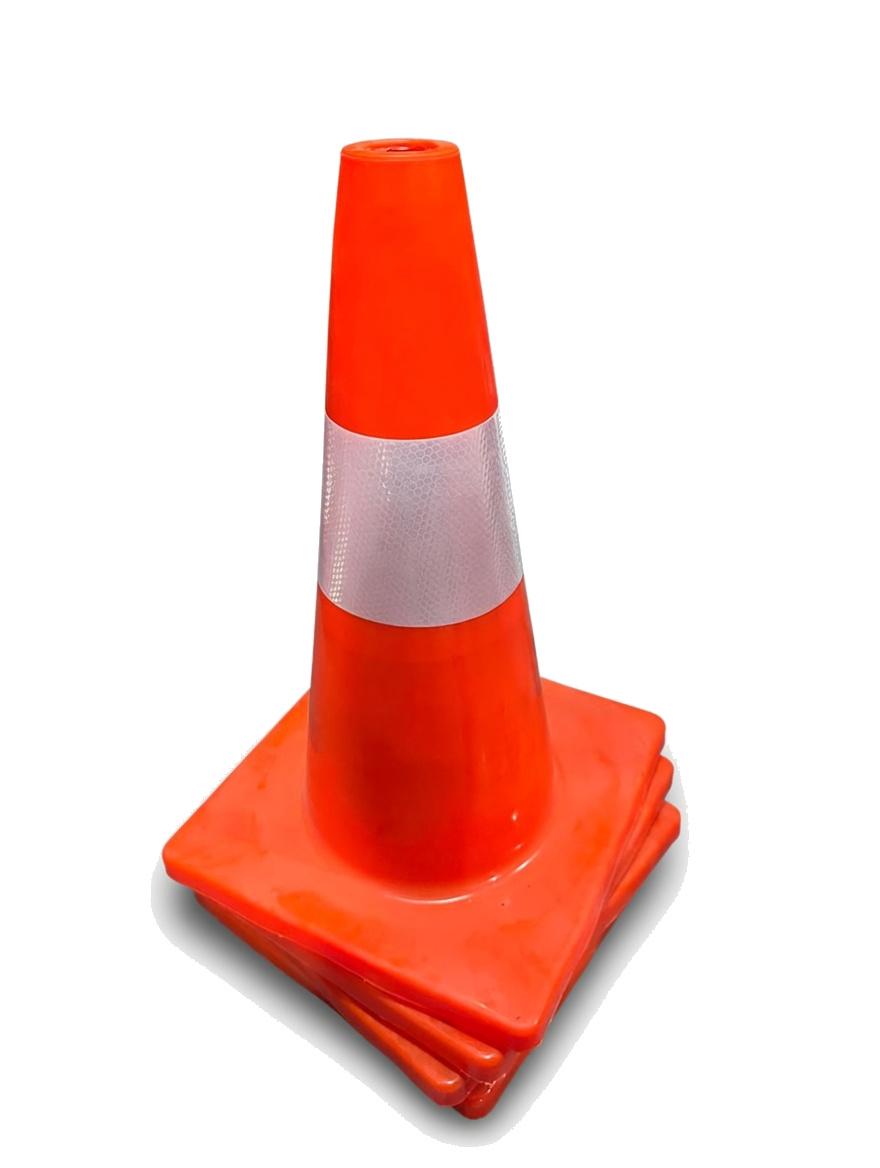
Reflective Traffic Cone
PVC cones with a reflective collar and a weighted base, in the sizes traffic management plans call for.
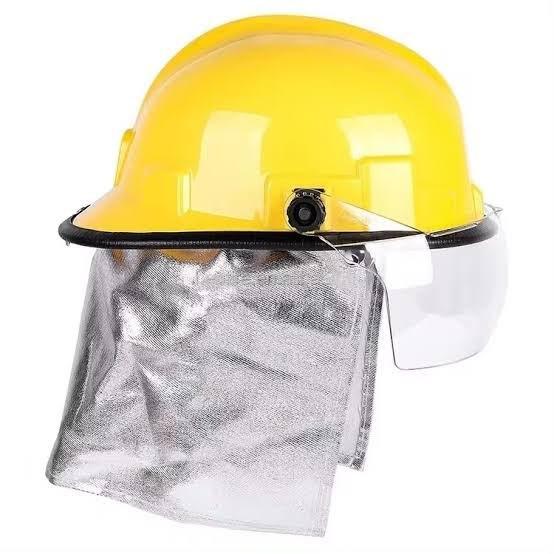
Safety Helmet
Industrial helmets with a ratchet harness and chin strap, available printed with your own site marking.
Reflective Safety Jacket
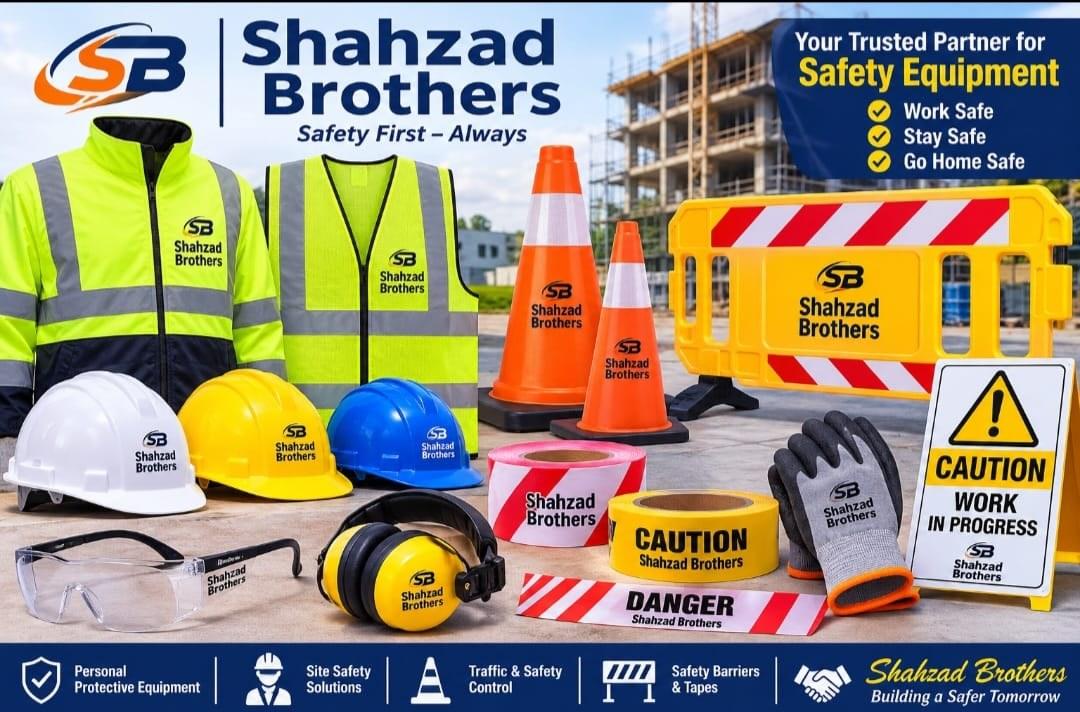
High visibility vests in orange and yellow, plain or printed, supplied by the carton.
FAQ
Questions buyers ask us
What is the price of a safety jacket in Pakistan?
In 2026 a basic mesh reflective vest costs about PKR 220 to 450, a knitted vest with 50 mm tape PKR 450 to 900, a multi-pocket surveyor vest PKR 900 to 2,000 and a certified EN ISO 20471 jacket PKR 2,500 to 6,000. Confirm today's price on WhatsApp, rates move with the exchange rate.
What is the difference between a safety vest and a safety jacket?
In Pakistan the words overlap. A vest is sleeveless and worn over clothes, usually 60 to 120 GSM polyester. A jacket has sleeves and sometimes a lining for winter. Both need fluorescent fabric and retroreflective tape to be called high visibility.
How many washes does a reflective vest last?
Cheap printed or PVC tape can lose most of its shine within 5 to 10 washes. Good glass bead heat transfer tape is usually rated for 25 to 50 washes by its maker. Wash at 30 to 40 degrees, inside out, and never iron the tape.
Which colour of safety vest is best?
Fluorescent yellow, also called lime, is seen best in daylight and dusk and is the default on most Pakistani sites. Fluorescent orange stands out against green fields and is common on highway work. Use one colour for workers and a second, such as orange, for traffic marshals.
Can you print a company name on safety jackets?
Yes. Screen printing on the back is standard, usually from 50 to 100 pieces per design, adding about PKR 30 to 120 per piece depending on colours and size. Keep the print off the reflective tape, or the jacket loses visibility where it matters.