Safety gloves price in Pakistan ranges from about PKR 40 to 120 a pair for cotton knitted gloves to PKR 150 to 450 for coated work gloves, PKR 900 to 3,000 for cut resistant gloves and PKR 6,000 or more for electrical insulating gloves in 2026. The right glove depends on the hazard: cut, heat, chemical or electricity.
Gloves are the PPE item used up fastest and the one where one glove does not fit all. A cotton glove that is perfect for carrying blocks is dangerous at a grinder and useless on a live panel. This guide sets out the grades, the marks that prove a rating, what the Pakistani heat does to them, and how to buy by the dozen without filling a storeroom with the wrong size.
How much do safety gloves cost in Pakistan?
| Type | Typical material | Main hazard | Indicative market price (PKR per pair) |
|---|---|---|---|
| Knitted cotton or poly-cotton | String knit, plain or PVC dotted | Light handling, dirt | 40 to 120 |
| Coated work glove | Polyester or nylon with PU, latex or nitrile palm | Grip, abrasion | 150 to 450 |
| Leather rigger or double palm | Cow or buffalo split or grain leather | Abrasion, rebar, steel | 350 to 1,200 |
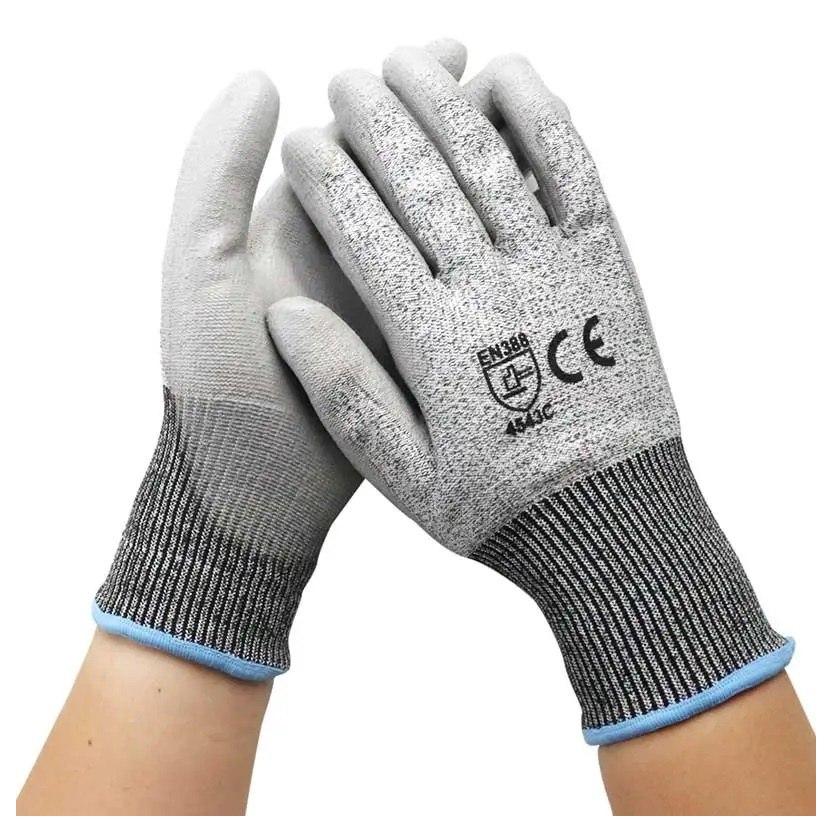
| Cut resistant | HPPE, glass fibre or aramid blend, coated | Sheet metal, glass, blades | 900 to 3,000 |
| Welding gauntlet | Split leather, lined, 35 to 40 cm cuff | Heat, spatter | 600 to 1,800 |
| Chemical | Nitrile, neoprene or PVC, long cuff | Acids, solvents, oils | 400 to 1,500 |
| Electrical insulating, class 00 or 0 | Rubber, tested to EN 60903 | Live low voltage | 6,000 to 15,000 |
| Electrical insulating, class 1 and above | Rubber, tested to EN 60903 | Higher voltage | 12,000 to 30,000 |
These are 2026 market ranges per pair. Gloves are traded by the dozen pairs, and cartons are cheaper again. Confirm today's price on WhatsApp, rates move with the exchange rate.
Which glove protects against what?
Glove ratings come from separate European standards, each with its own pictogram printed on the cuff or the packet.
Cut and mechanical: EN 388
EN 388 covers mechanical risks. Under a shield pictogram you will see four digits and up to two letters:
- Abrasion resistance, 0 to 4
- Cut resistance by the coupe test, 0 to 5, or X if not tested
- Tear resistance, 0 to 4
- Puncture resistance, 0 to 4
- A letter A to F for cut resistance by the ISO 13997 test; F is the highest
- Sometimes P, meaning impact protection was tested
For steel fixing, a glove of about 4X42 with a B or C letter is a sensible minimum. For sheet metal and glass handling, look for D or higher.
Heat: EN 407
EN 407 covers heat and fire, with a flame pictogram and six digits for burning behaviour, contact heat, convective heat, radiant heat, small splashes and large splashes of molten metal. Welders use EN 12477 gloves, which are tested specifically for welding, in type A (stick and MIG) and type B (TIG, more dexterity).
Chemical: EN ISO 374
EN ISO 374 covers chemicals. The packet should say which chemicals were tested. Nitrile handles oils and many solvents; neoprene suits acids; PVC is cheap and fine for cement slurry and mild alkalis.
Electrical: EN 60903
Electrical insulating gloves are tested to EN 60903 or IEC 60903 and marked with a class:
| Class | Maximum working voltage (AC) | Typical use in Pakistan |
|---|---|---|
| 00 | 500 V | Domestic and building panels |
| 0 | 1,000 V | LV distribution boards, factory panels |
| 1 | 7,500 V | Medium voltage work under permit |
| 2 | 17,000 V | 11 kV distribution work |
| 3 and 4 | 26,500 V and 36,000 V | Specialist line work |
Disposable and examination gloves
Boxes of disposable nitrile, latex or vinyl gloves, usually 100 to a box, are a separate market. They suit food handling, laboratories, cleaning and light chemical work such as mixing admixtures, but they are not work gloves and tear on the first nail. Nitrile resists oils better than latex and avoids latex allergy. Box prices move sharply with the exchange rate, because almost all are imported. For cement and mortar, a reusable PVC or nitrile coated glove lasts longer and costs less per day than disposables.
WAPDA distribution companies and factory electricians should wear leather protector gloves over rubber insulating gloves, so a cut does not reach the rubber.
Before every use, roll the cuff of an insulating glove tightly to trap air, then squeeze and listen with the glove near your ear. A hiss or a deflating finger means a pinhole, and a pinhole at 11 kV is fatal. Most crews never do this check.
What should you check before buying gloves in bulk?
- The marks. Is the EN pictogram printed on the glove itself, with digits, or only a word like "safety" on the packet?
- The leather. On rigger gloves, pinch the palm. Thin split leather feels like card. Good gloves have full thickness palm leather and double stitched seams. Sialkot makes some of the best work gloves in the world, and also some of the worst, so judge by the glove in your hand.
- The coating. Bend a coated glove backwards several times. Cheap PU cracks at the knuckles straight away.
- The cuff. Knitted cuffs keep dust out on building sites. Safety cuffs come off quickly in an emergency near machinery.
- The size. Gloves come in sizes 7 to 11. For a Pakistani male labour crew, order about 50 percent size 9, 35 percent size 10 and 15 percent size 8, plus a few 11s. Oversized gloves catch in rotating tools and cost fingers.
How long do gloves last on site?
| Glove | Typical life on daily site use |
|---|---|
| Knitted cotton | 2 to 5 days |
| Coated polyester | 1 to 2 weeks |
| Leather rigger | 3 to 6 weeks |
| Cut resistant | 3 to 8 weeks |
| Welding gauntlet | 1 to 3 months |
| Electrical insulating | Retest about every 6 months; replace when damaged |
Heat and sweat
In a Pakistani summer, crews strip off gloves that make hands sweat. Coated gloves with a knitted back breathe; full leather does not. Give workers a summer glove and a winter glove, and many more will keep gloves on. Rubber electrical gloves must be kept out of the sun and away from heat, folded flat, never inside out in a tool bag, because heat and creases age the rubber.
How many gloves does a site need?
As a planning figure, a general labourer on blockwork, shuttering or steel uses 2 to 4 pairs of coated gloves a month, or one pair of leather riggers. A crew of 50 therefore needs roughly 10 to 15 dozen coated pairs a month. Our construction PPE list gives the full yearly allowance per role.
What we supply
We supply gloves by the dozen and by the carton, in all the main classes:
- Safety gloves: knitted, coated, leather, welding, cut resistant, chemical and electrical
- Safety helmets and safety shoes; see our safety shoes price guide and safety helmet price guide
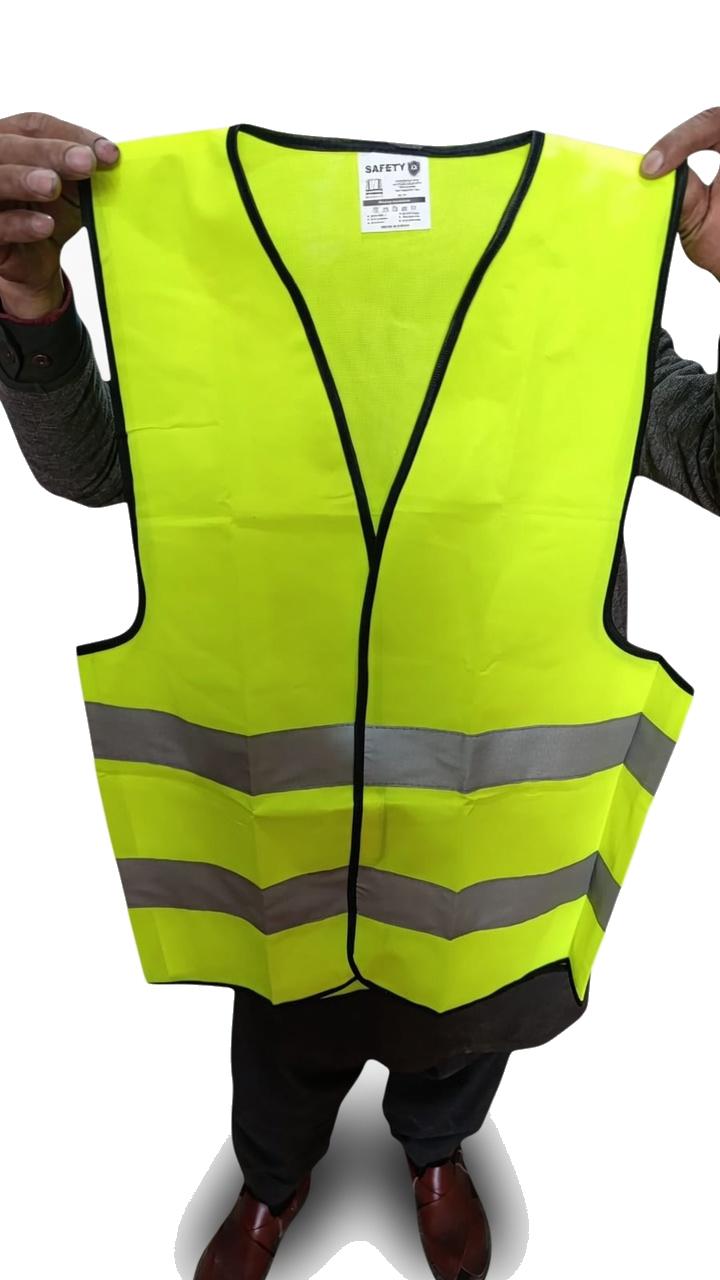
- Reflective safety jackets and a ready site PPE kit
- The full range under safety products
Ask for today's price
Tell us the job, the hazard, the quantity in dozens and the size break. We will suggest the right glove class and quote local and imported options side by side. Send us a WhatsApp for today's price.
What we supply
Equipment covered in this guide
Safety Helmet
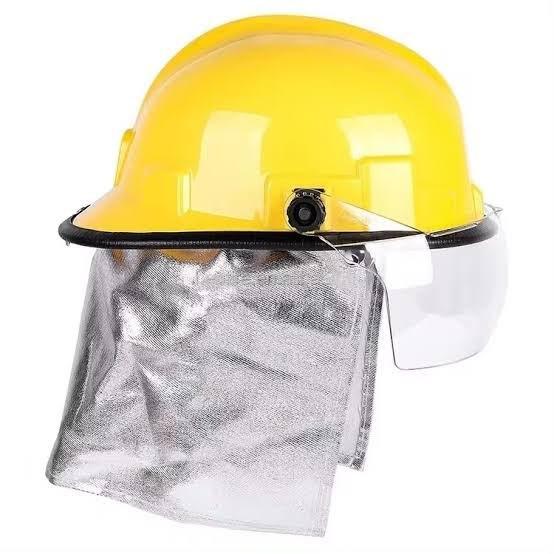
Industrial helmets with a ratchet harness and chin strap, available printed with your own site marking.
Reflective Safety Jacket
High visibility vests in orange and yellow, plain or printed, supplied by the carton.
Site PPE Kit
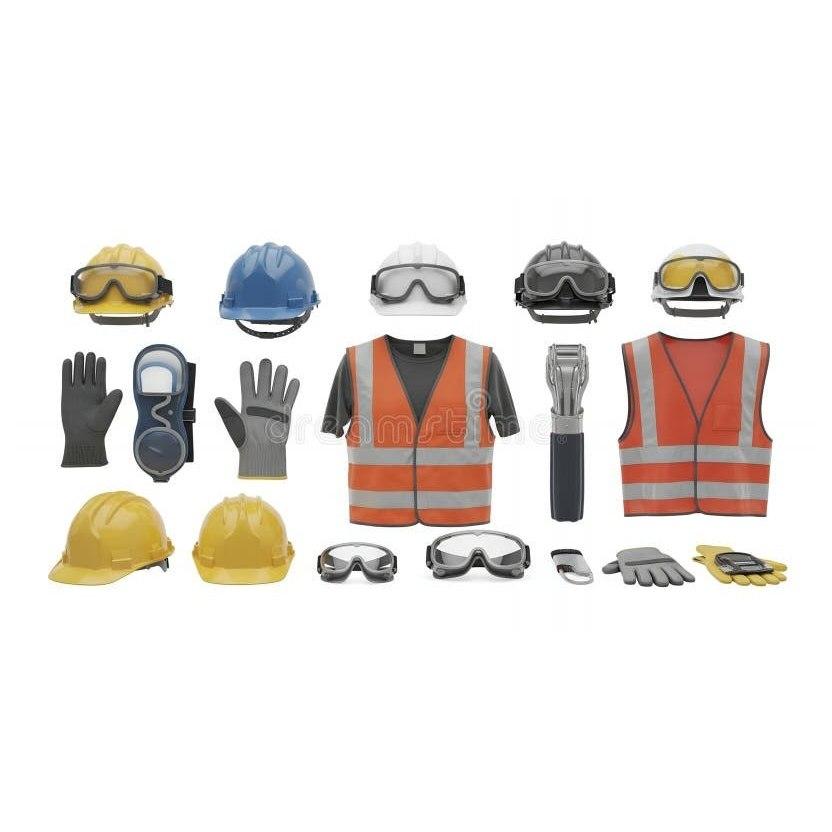
Gloves, eye protection, safety boots and first aid kits. The list an HSE audit asks for, supplied in one go.
FAQ
Questions buyers ask us
What is the price of safety gloves in Pakistan?
In 2026 cotton knitted gloves cost about PKR 40 to 120 a pair, coated polyester gloves PKR 150 to 450, leather rigger gloves PKR 350 to 1,200, cut resistant gloves PKR 900 to 3,000 and electrical insulating gloves PKR 6,000 to 30,000. Confirm today's price on WhatsApp, rates move with the exchange rate.
What do the numbers on EN 388 gloves mean?
The EN 388 pictogram shows a shield with digits underneath: abrasion 0 to 4, coupe cut 0 to 5, tear 0 to 4, puncture 0 to 4, then a letter A to F for the ISO cut test and sometimes P for impact. Higher numbers and later letters mean more protection.
Which gloves are best for electricians?
Only rubber insulating gloves tested to EN 60903 or IEC 60903, marked with a class. Class 00 is for up to 500 V AC and class 0 for up to 1,000 V AC. Leather or cotton gloves give no electrical protection. Air test the gloves for pinholes before every use.
Which gloves should a welder use?
Welders need long cuff leather gauntlets to EN 12477, usually 35 to 40 cm long so the cuff covers the sleeve. Type A suits stick and MIG welding, type B the finer TIG work. Expect PKR 600 to 1,800 a pair for good split leather in 2026.
How many gloves come in a carton?
Gloves are traded by the dozen pairs. A carton usually holds 10 to 20 dozen, so 120 to 240 pairs, for knitted and coated gloves, and fewer for leather. A labourer on rough work uses about 2 to 4 pairs of coated gloves a month.
Are Sialkot leather gloves good for construction?
Many are excellent. Sialkot makes work gloves for buyers worldwide, and good local leather rigger gloves at PKR 350 to 1,200 outlast imported coated gloves on steel and blockwork. Check that the leather is full thickness on the palm and the seams are double stitched.