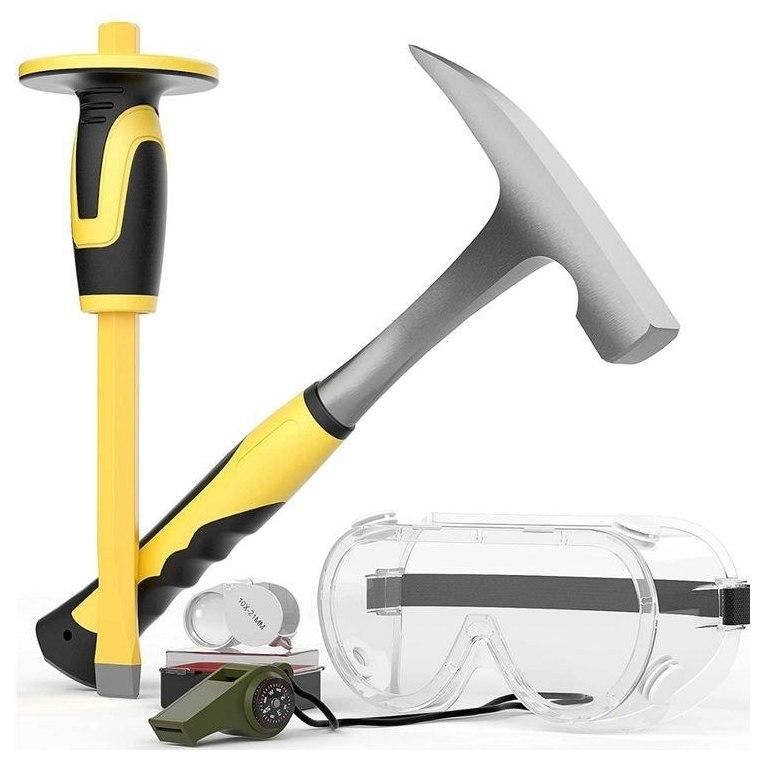
A geological hammer in Pakistan costs about PKR 2,500 to 7,000 for a budget hammer, PKR 8,000 to 16,000 for a good one piece forged steel hammer, and PKR 18,000 to 35,000 for a genuine imported Estwing in 2026. Most geologists use a 600 to 700 gram pick or chisel tip hammer for fieldwork.
A rock hammer looks like the simplest item in a geology bag. It is also the one that most often fails, sometimes dangerously. We supply hammers, lenses and compasses to geology departments and mining teams, and this guide covers what to look for and what the rest of the kit should hold.
What is a geological hammer used for?
A geological hammer, also called a rock hammer or rock pick, is a hand tool made for rock rather than nails. One end is a square striking face; the other is either a pointed pick or a flat chisel.
Geologists use it to:
- Break off a fresh surface, because weathered rock hides its true colour, grain size and minerals
- Trim a hand sample to about fist size for the lab or the department collection
- Split shale and slate along bedding to find fossils
- Clear loose rock from an outcrop before measuring strike and dip
- Test hardness and soundness: the ring of a hammer on rock tells an engineering geologist a lot
It is not a crowbar and not a sledge. Using the pick to lever out big blocks is the quickest way to snap one.
Pick vs chisel tip
| Feature | Pick (pointed) tip | Chisel (flat) tip |
|---|---|---|
| What it does | Concentrates force on a point | Splits along planes |
| Best rock | Hard igneous and metamorphic: granite, gneiss, basalt | Layered sedimentary: shale, slate, thin bedded limestone |
| Pakistani examples | Gilgit-Baltistan, Swat, Chagai, Kohistan | Salt Range, Potohar, Kohat, Margalla Hills |
| Also used for | Prying samples, digging in scree | Fossil hunting, cleaning faces |
| Usual first hammer for | Hard rock and mining students | Palaeontology and sedimentology students |
If you can only buy one, buy the tip that suits the rock of your main field area. Many departments keep both on the field course, so a group can share.
How much does a geological hammer cost in Pakistan?
| Class | Construction | Typical head weight | Indicative market price (PKR, 2026) |
|---|---|---|---|
| Budget hammer | Separate head on a steel or wooden handle, welded or wedged | 500 to 700 g | 2,500 to 7,000 |
| One piece forged steel | Head and handle forged as one, rubber or leather grip | 600 to 700 g | 8,000 to 16,000 |
| Genuine Estwing, imported | One piece forged steel, shock reduction grip | 400 to 900 g | 18,000 to 35,000 |
| Crack hammer with cold chisel | Heavy club head, separate chisel | 1 to 1.5 kg | 4,000 to 12,000 |
These are 2026 market ranges for Pakistan. Confirm today's price on WhatsApp, rates move with the exchange rate.
One piece steel vs welded heads
The best known pattern is the one piece forged steel hammer made famous by Estwing: the head and the shank are a single piece of steel, with a grip bonded around the handle. Nothing can separate.
Cheap hammers are made differently. A head is welded, pressed or wedged onto a tube or a wooden handle. On softwood nails that is fine. On quartzite in the Salt Range, after a few hundred blows, it is not.
Before you buy a budget hammer, look at the joint between head and handle. If you can see a weld bead or a wedge, tap the head sideways on a hard floor ten times and check for any movement. A head that rocks even slightly will one day leave the handle in mid swing, and a 600 gram steel head travels a long way. It is the failure we hear about most from field courses, and it is entirely avoidable.
Wooden handles in the dry heat of Punjab shrink and loosen. If you buy one, keep it out of the vehicle boot in summer and check the wedge before every trip.
Look at the striking face too. A good face is slightly bevelled at the edges and hardened evenly; a cheap face mushrooms after a season on chert and quartzite, and the burrs that form are exactly the splinters that fly off. Grind burrs away or replace the hammer. Finally, check the grip: a rubber or leather grip that has come loose turns in a sweaty hand in June, which ruins accuracy on a steep outcrop.
How heavy should a rock hammer be?
- 400 to 500 g: light work, fossil collecting, students who carry the hammer all day
- 600 to 700 g (about 22 to 24 ounces): the standard field hammer for most geologists
- 800 to 900 g: hard rock, mining and exploration work
- 1 to 1.5 kg crack hammer: heavy breaking with a cold chisel, quarries and core yards
Heavier is not always better. A hammer you can swing accurately for six hours on a hillside above Kallar Kahar is worth more than one that tires your wrist by noon.
Eye protection and safety
Rock chips fly fast and sharp. Steel striking steel, such as a hammer on a cold chisel, can throw metal splinters.
- Safety glasses: impact rated, every swing, for you and anyone watching
- Gloves: on the hand holding the sample or chisel; see our guide to safety gloves
- Helmet: below any face higher than about 2 metres, and in quarries always; see safety helmet prices
- Never strike two hammers together: hardened faces can chip
- Never use the hammer as a chisel: strike a proper cold chisel with a crack hammer
In hot months, carry more water than you think you need. Most field incidents we hear about are heat and falls, not the hammer.
The rest of the field kit
A hammer on its own does not make a geologist. The standard kit, the one most Pakistani universities list for their field courses, is short.
Hand lens
A 10x triplet lens is the standard for identifying minerals and grain size. A 20x lens helps with fine grained rock but has a tiny field of view. Hold the lens close to your eye and bring the sample towards it. Budget lenses are about PKR 1,500 to 4,000; a good triplet about PKR 5,000 to 15,000.
Compass clinometer
For bearings, strike and dip. See Brunton compass prices and the guide to measuring strike and dip.
Streak plate, scratch tool and acid bottle
- Streak plate: unglazed porcelain to show a mineral's powder colour, a few hundred rupees
- Steel point or knife: for scratch hardness on the Mohs scale
- Dilute hydrochloric acid, about 10 percent, in a small dropper bottle: calcite fizzes, dolomite only when powdered. Carry it upright in a sealed bag and keep it away from the notebook.
Sample bags and labels
Strong cloth or polythene bags, a permanent marker and a numbering system that matches the notebook. Write the sample number on the rock as well as the bag.
What we supply
- Geological hammer and hand lens: pointed and chisel tip hammers, 10x and 20x lenses, Mohs hardness kits and sample bags
- Brunton pattern geological compass
- Handheld GPS receiver for sample locations
- Safety gloves and safety helmets from our safety range
- The full mining and geology range
Ask for today's price
Tell us whether you need a single hammer or a field course set for a whole batch, and which tip suits your area. Send us a WhatsApp for today's price.
What we supply
Equipment covered in this guide
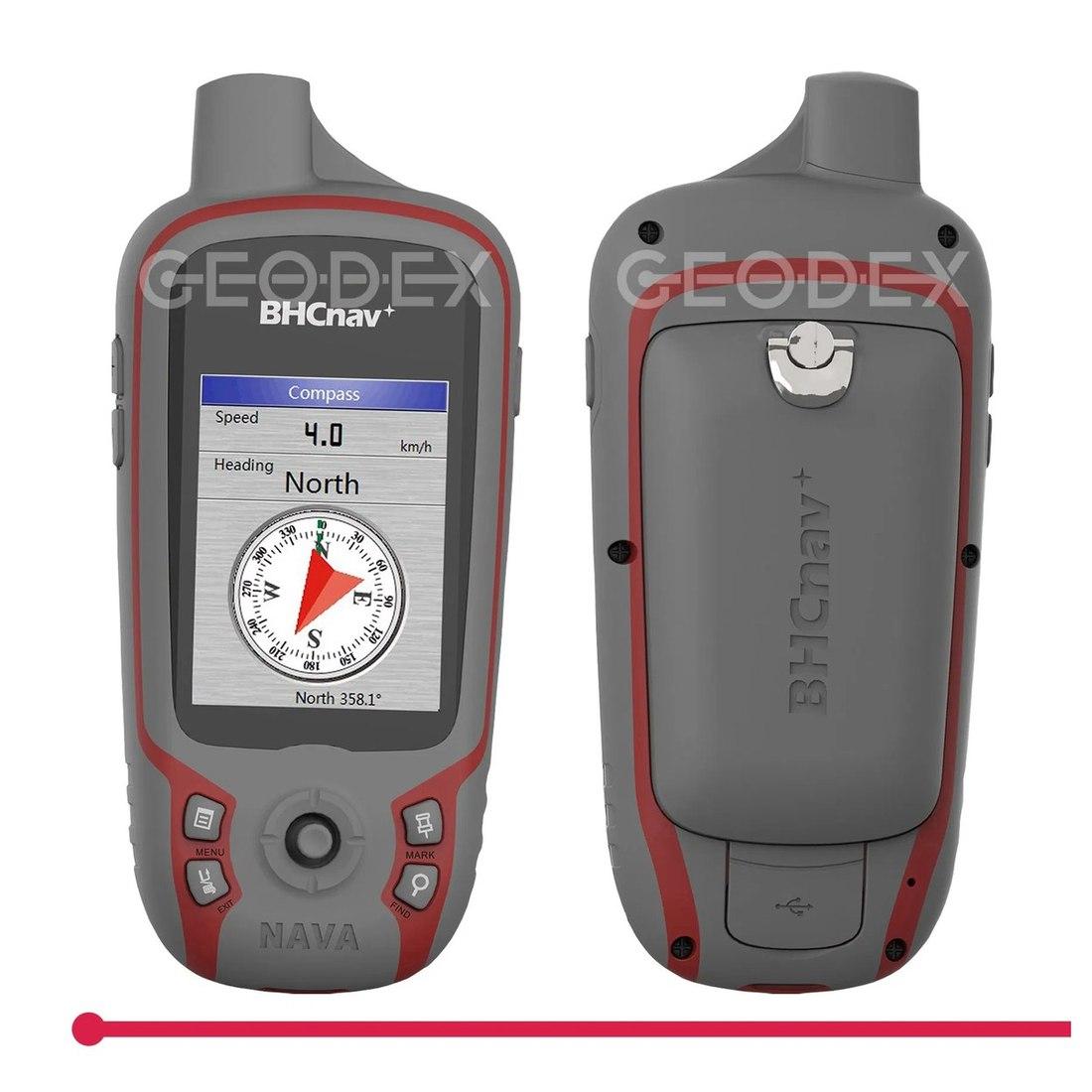
Handheld GPS Receiver
Metre level navigation and point collection for reconnaissance, boundary walking and exploration traverses.
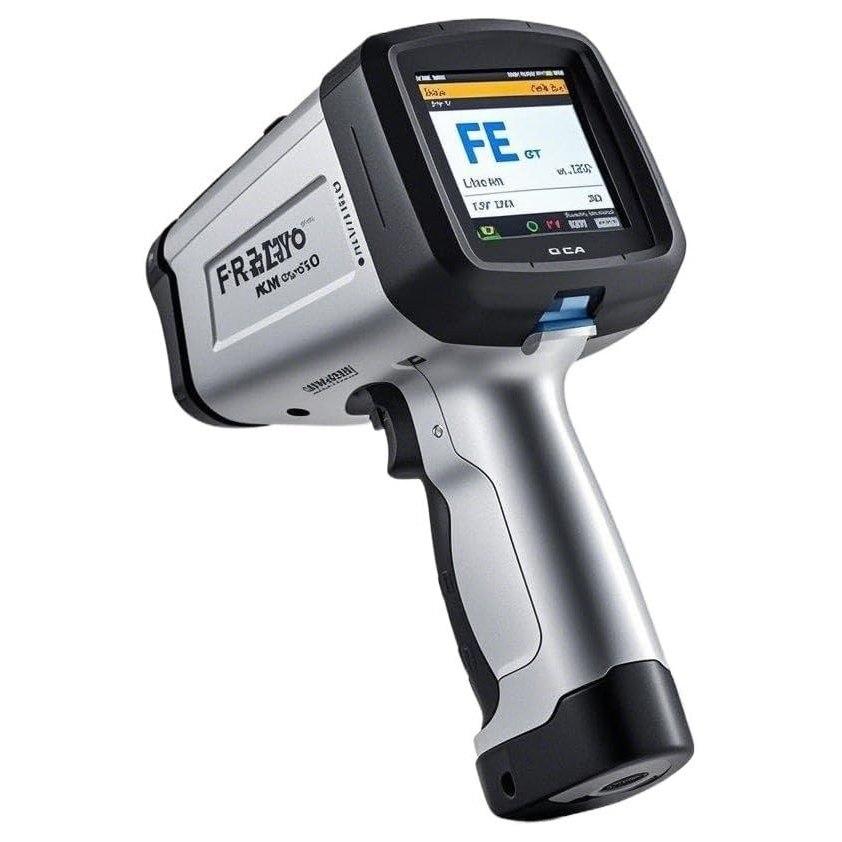
Handheld XRF Analyser
Point and shoot elemental analysis of rock, soil and alloy, in the field, in seconds.
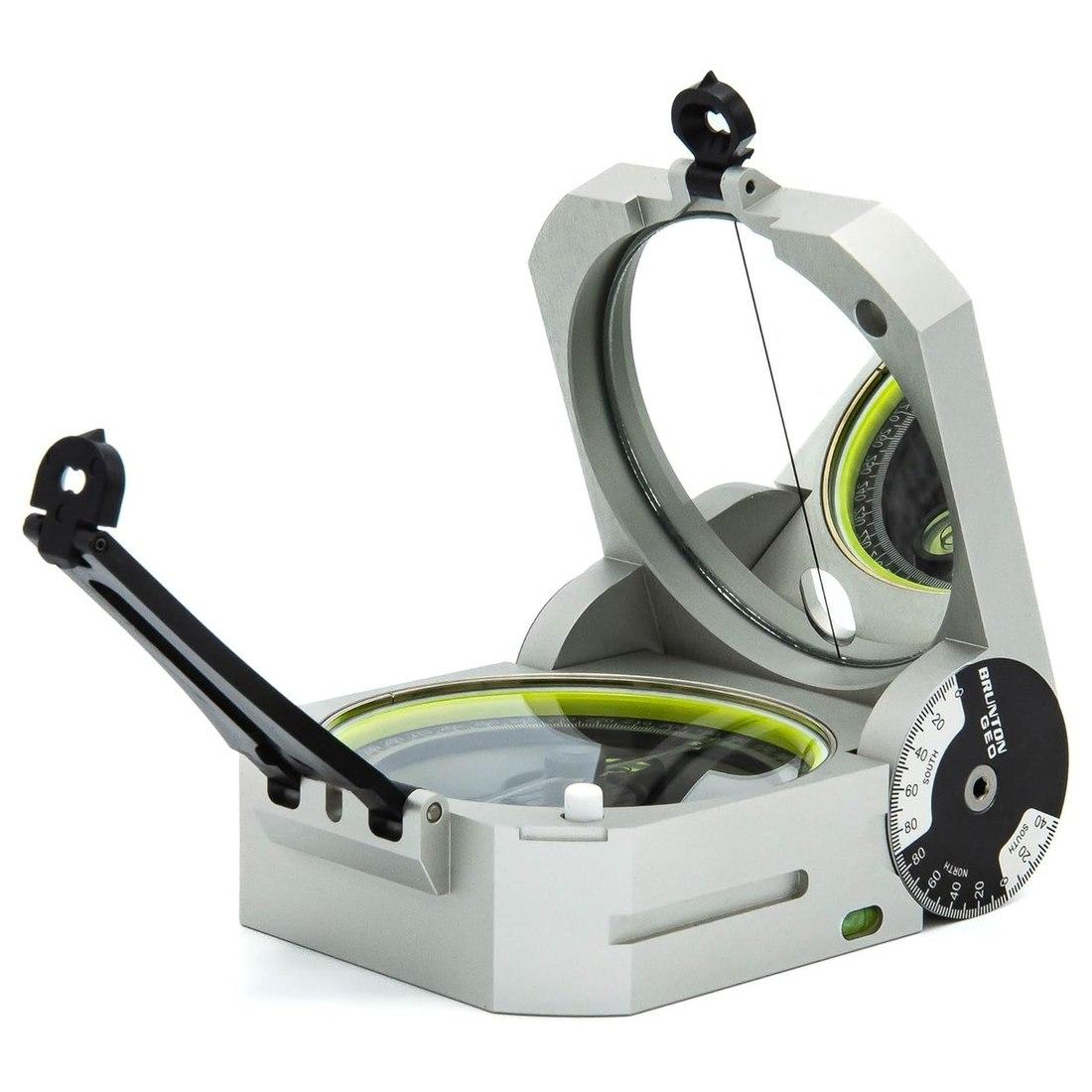
Brunton Geological Compass
Strike, dip and bearing in one instrument. Still the geologist's first tool out of the bag.
FAQ
Questions buyers ask us
What is the price of a geological hammer in Pakistan?
In 2026 a locally made or imported budget geological hammer costs about PKR 2,500 to 7,000, a good one piece forged steel hammer about PKR 8,000 to 16,000, and a genuine imported Estwing about PKR 18,000 to 35,000. These are market ranges. Confirm today's price on WhatsApp, rates move with the exchange rate.
What is a geological hammer used for?
A geological hammer breaks rock to expose a fresh, unweathered surface, trims hand samples to about fist size, splits layered rocks along bedding to find fossils, and clears loose material from an outcrop. The pick or chisel end does the prying; the square face does the striking.
Which is better, pick tip or chisel tip?
A pick tip concentrates force on a point and suits hard igneous and metamorphic rock in places like Gilgit, Swat or Chagai. A chisel tip splits shale, slate and thin bedded limestone, common in the Salt Range and Potohar. About 70 percent of students start with a pick.
What weight of rock hammer should I buy?
Most geologists use a hammer of about 600 to 700 grams, roughly 22 to 24 ounces. Students and fossil collectors can use 400 to 500 grams. For hard crystalline rock or quarry work, a 1 to 1.5 kilogram crack hammer with a cold chisel does the heavy breaking.
Do I need safety glasses for a rock hammer?
Yes, every time. Hard rock throws chips at high speed, and steel on steel, such as hammer on chisel, can throw metal splinters. Wear impact rated glasses, gloves on the holding hand, and a helmet below any face over 2 metres high.
What is in a basic geology field kit?
A basic kit holds a geological hammer, a 10x hand lens, a compass clinometer, a streak plate, a small bottle of dilute 10 percent hydrochloric acid, a scratch tool or knife, sample bags, a marker, a notebook and safety glasses. In Pakistan the full kit costs about PKR 15,000 to 60,000.